
How To Install Access Control System
Ever found yourself fumbling for keys, or maybe just wished you knew who was popping in and out of a certain space? Perhaps you’ve imagined a world where access is granted with a simple tap, a wave, or even just your fingerprint. Well, that world isn’t science fiction – it's the reality of an access control system, and diving into how they work, or even how to set one up, is surprisingly fun and incredibly relevant in our modern lives! It’s like being a friendly, tech-savvy gatekeeper, and demystifying this tech can be a fascinating journey.
At its core, an access control system does exactly what it says: it controls access. Instead of traditional keys, which can be lost, copied, or never returned, these systems use digital credentials – like key cards, fobs, keypads, or even biometric scanners. The main purpose? To dictate who can enter where, and when. The benefits are pretty clear once you think about it. First and foremost, there's enhanced security. If a card is lost, you can instantly deactivate it, unlike changing all the locks. Secondly, there’s immense convenience. Imagine granting temporary access to a delivery person or a cleaner remotely, without needing to hand over a physical key. Plus, many systems offer audit trails, meaning you can see exactly who accessed a door and at what time – invaluable for both security and accountability. It offers a level of flexibility and peace of mind that traditional locks just can't match.
You might think these are just for big corporations, but access control is everywhere, blending seamlessly into our daily routines. In education, it’s a game-changer. Schools use them to restrict access to staff-only areas after hours, secure valuable equipment in computer or science labs, or even manage student entry into dormitories, ensuring only residents can get in. Think of the peace of mind knowing who is on campus and where. In daily life, they're becoming increasingly common. Many modern apartment buildings and gated communities use key fobs or smart entry systems instead of physical keys. In a smart home, you could grant a dog walker access for a specific window of time, or ensure your home office, with all its important documents, remains off-limits to curious little hands. Small businesses often use them to secure inventory rooms or sensitive server closets. It’s all about creating intelligent boundaries.
Must Read
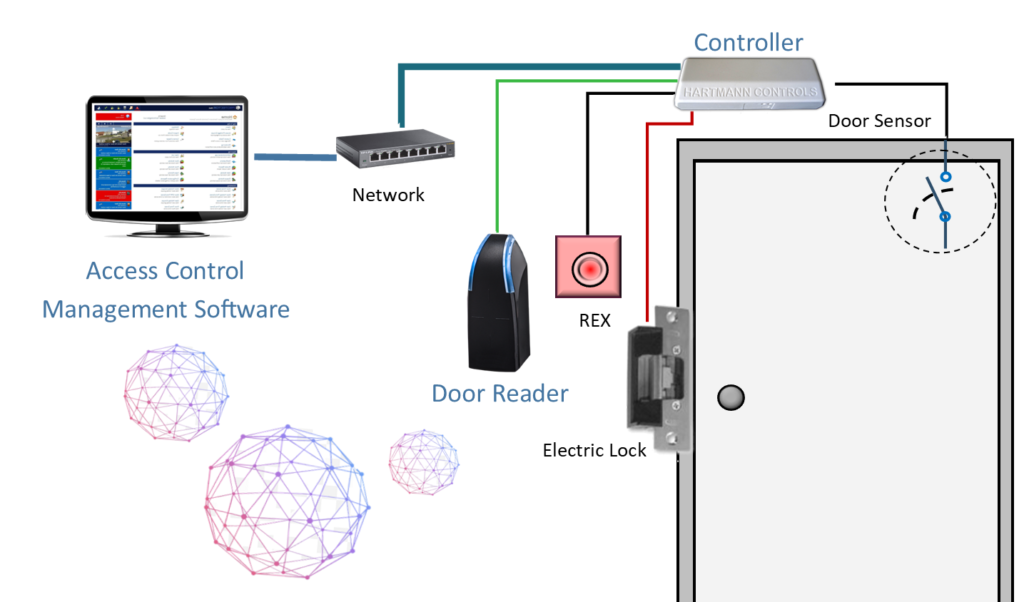
So, feeling a little curious now? The good news is, exploring the world of access control doesn't have to mean becoming an electrician overnight. A simple way to start exploring it is by looking into DIY access control kits designed for a single door, perhaps for a shed, a garage, or a home office. These often include a basic keypad or RFID reader, an electronic lock (like a magnetic lock or an electric strike), and a power supply. You can learn about the different components – the controller (the brain), the reader (where you present your credential), and the locking mechanism (what physically secures the door). YouTube is an excellent resource for walkthroughs and tutorials on basic setups. Consider what kind of access you’d like to control – simple keypad entry, a tap-card system, or maybe even something more advanced. Understanding these basics is a fantastic first step towards appreciating the ingenious simplicity behind what can seem like complex technology, giving you a tangible grasp of how we manage security and convenience in the modern world.
.png)


