
Where Should I Put The Carbon Monoxide Detector

Hey there, amazing human! Ever find yourself pondering the mysteries of the universe, like... where exactly should that little carbon monoxide detector go? If your brain just did a little happy dance of recognition, you're in the right place! Because while it might sound like the most thrilling topic since watching paint dry, figuring out your CO detector placement is actually a superpower. Seriously!
Think about it: in a world full of unpredictable things, having a tiny guardian angel quietly watching over your home is a pretty sweet deal. It's not just about safety; it's about peace of mind, about sleeping soundly, and about creating a home environment where you can truly relax and thrive. And who doesn't want more of that?
The Silent Superhero: What's the Big Deal with CO Anyway?
Let's talk carbon monoxide for a sec. It's often called the "silent killer," and while that sounds a bit dramatic, it's also incredibly accurate. CO is a colorless, odorless, tasteless gas – basically, it’s the ultimate stealth villain. It's produced whenever fuels burn incompletely, whether from your furnace, water heater, gas stove, fireplace, or even a car left running in an attached garage. Without a detector, you wouldn't know it was there until it was too late. Yikes!
Must Read
But here's the good news: with a little foresight and a few strategically placed detectors, you transform from a potential victim into a savvy home safety hero! Isn't that a much better narrative?
Mission: Placement Perfection! Where to Put Your CO Detectors
Alright, let's get down to business. Where should these fantastic little gadgets stand guard? Think of it like setting up an invisible shield around your family. Here are the golden rules:
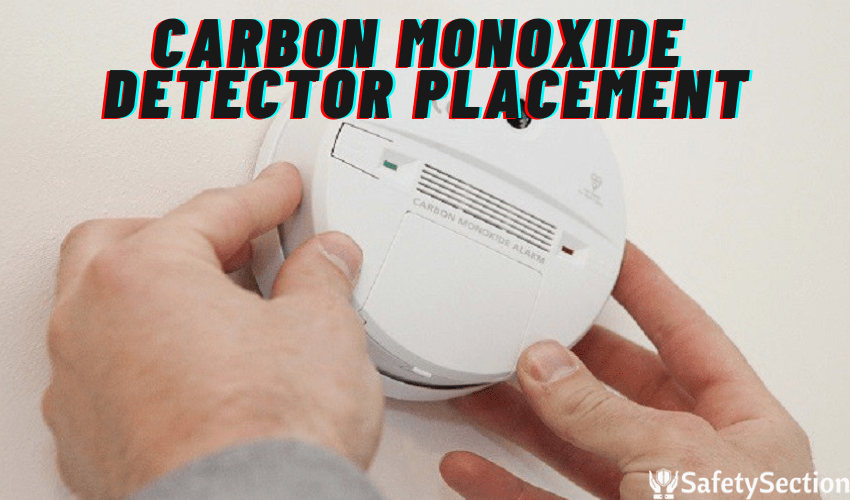
1. The Every-Level Mantra
This is rule number one, no exceptions. You need at least one carbon monoxide detector on every single level of your home. Basement? Yep. Main floor? Absolutely. Upstairs where all the bedrooms are? Crucial! CO spreads, and you want detection coverage throughout.
2. Bedroom Blitz!
This is arguably the most important spot. Place a CO detector inside or just outside every sleeping area. Why? Because you're most vulnerable when you're asleep. You wouldn't wake up to the smell or sight of CO. An alarm near your bed is your lifeline. Imagine enjoying a blissful, uninterrupted movie night, knowing your sleeping zones are protected. That's living!

3. Appliance Alliance
Got any fuel-burning appliances? Think furnaces, water heaters, gas stoves, fireplaces. It's a smart move to have a detector within 10-15 feet of these potential CO sources. This gives you an early warning if something isn't quite right with your trusty home machinery.
4. Garage Guardian
If you have an attached garage, put a detector near the door that connects to your living space. Exhaust fumes from cars can easily seep into your home, especially if a vehicle is left running (even briefly!). Don't let those sneaky fumes catch you off guard.
The "Where NOT to Put It" Wisdom
Just as important as knowing where to put them is knowing where to avoid. Steering clear of these spots helps prevent false alarms and ensures optimal performance:
/where-to-place-smoke-detectors-1152485_V2-3c5086adfaa646d69d312b45d342c621.png)
- Too close to windows or vents: Air currents can mess with readings.
- In very humid areas (like bathrooms): Moisture can damage the sensor.
- Directly next to cooking appliances: Burnt toast or a sizzling stir-fry can sometimes trigger a false alarm, which is definitely not fun at 3 AM.
- In direct sunlight or extreme temperatures: Keep it comfortable, just like you prefer your home!
Installation Insights: Making it Stick (Literally!)
Most CO detectors come as plug-in units, battery-operated, or hardwired. If you choose a plug-in, make sure it has a battery backup (most good ones do!) in case of a power outage. For plug-ins, they usually sit at roughly chest height. For ceiling-mounted or hardwired units, follow the manufacturer's specific instructions – CO mixes with air, so its exact height isn't as critical as its strategic location in the room.
And here's another pro tip: test them monthly! Most have a handy "test" button. Give it a push, hear that chirp, and give yourself a mental high-five. Also, remember that CO detectors don't last forever. They typically need to be replaced every 5-7 years. There's usually an expiry date right on the back – check it!

Your New Superpower: The Joy of Preparedness!
So, why is all this important? Because learning where to put your carbon monoxide detectors isn't just about ticking off a safety checklist. It's about empowering yourself. It's about taking proactive steps to protect the people and pets you love. It's about embracing a mindset of "I've got this!" when it comes to your home and well-being.
Imagine knowing that every time you drift off to sleep, every time your kids play, every time you host friends for a cozy gathering, you've taken a simple, effective step to safeguard those precious moments. That's not just responsible adulting; that's thriving adulting! You've essentially installed a silent guardian that allows you to live more freely, sleep more soundly, and worry a whole lot less.
So go on, embrace your inner home safety guru! Check your detectors, plan your placements, and maybe even share this newfound wisdom with a friend or neighbor. Because a little knowledge, especially about something as vital as CO detection, truly can make life a whole lot brighter – and much, much more fun!