
Where Should You Place Carbon Monoxide Detectors
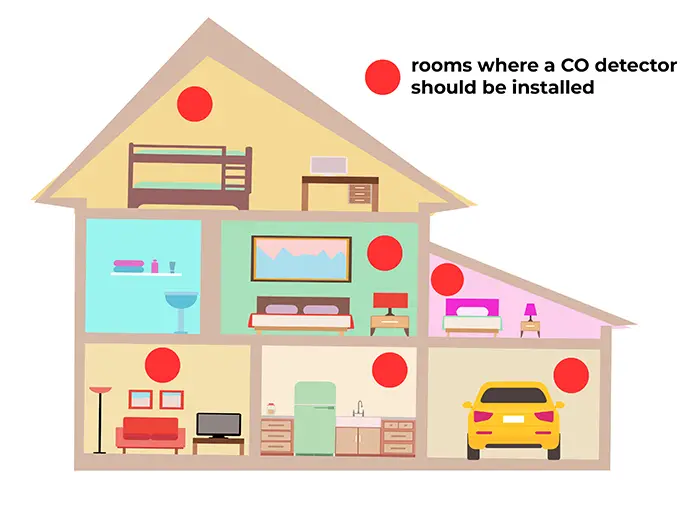
Alright team, let's talk about something super important but often overlooked, like remembering to buy milk before you run out: carbon monoxide detectors. We all know they're vital, like that friend who always reminds you to bring your umbrella, but where the heck should they actually go? It's not like placing a comfy throw pillow; there’s a bit of a strategy involved. And trust me, it's easier than assembling IKEA furniture.
Carbon monoxide, or CO, is that sneaky, invisible party crasher no one wants. It's colorless, odorless, and makes no noise, unlike your neighbor's dog at 3 AM. Because it's such a ninja gas, your detector needs to be in the absolute best spots to catch it before it causes trouble. Think of it like giving your super-spy CO detector the ultimate surveillance vantage point.
The Golden Rules of CO Detector Placement: No Shenanigans!
First up, and this is a big one: Sleeping Areas Are Priority One.
Must Read
You know how you keep your phone by your bed, just in case? Or maybe a glass of water? Treat your CO detector with that same VIP status. You want one near or in every area where people sleep. This means the hallway outside bedrooms, or even better, in individual bedrooms if you have a larger house. Why? Because CO poisoning can sneak up on you while you're catching Zs, and you need that early warning.
Imagine waking up to the alarm, rather than... well, not waking up. It’s a pretty simple choice, right? So, picture your bedroom, then picture that trusty CO detector standing guard. Maybe give it a little nod of appreciation.
Next on our list: One on Every Single Level.

Seriously, every level of your home needs a detector. Basements, main floors, upstairs — the works. CO gas mixes with the air, so it doesn't just "sink" or "rise" like some people assume. It's like that awkward family member who just pops up everywhere at Thanksgiving dinner. To be safe, you need coverage on each floor, including the basement if it's occupied or has appliances.
Think of it as setting up a defensive perimeter. One detector isn't enough to cover the whole fort. You need multiple eyes on the prize!
And finally for the "where to put them" list: Near Fuel-Burning Appliances (But Not Too Close!).
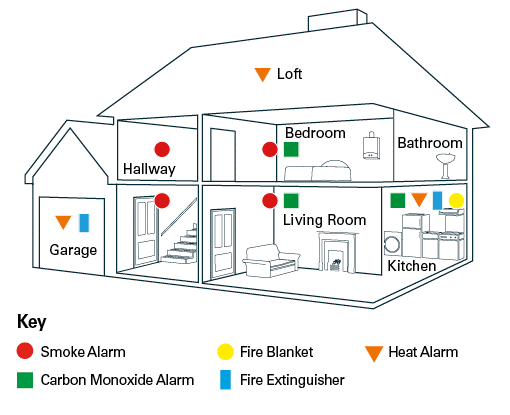
This sounds obvious, right? Furnace, water heater, gas stove – these are the usual suspects for CO production. So, it makes sense to put a detector near them. However, and this is a crucial "however," don't put it right on top of the appliance! That’s like standing directly in front of a speaker at a concert; you'll just get distortion.
A good rule of thumb is at least 15-20 feet away from furnaces, water heaters, and the like. You want it close enough to detect a leak, but not so close that it gets hit with a little puff of CO when the appliance kicks on and gives you a false alarm. Nobody wants that "burnt toast" smoke detector panic, but for CO.
Where NOT to Stick 'Em (The Detector No-Go Zones)
Just as important as knowing where to put them is knowing where not to. This isn't rocket science, but it's often where people go wrong.

Avoid Vents, Doors, and Windows. You might think, "Fresh air! Good for the detector!" Nope. Air currents from vents, open windows, or even a frequently opening door can mess with the detector's ability to sense CO properly. It's like trying to listen for a whisper in a wind tunnel; it just won't work.
Stay Away from Super Dusty, Greasy, or Humid Areas. Your garage, laundry room (unless it's a very clean utility closet), or right above your stove are bad ideas. Dust and grease can clog the sensor, making it less effective. High humidity, like in a bathroom, can also cause issues. Treat your detector like you would your favorite gadget; keep it clean and dry.
Not in Direct Sunlight or Extreme Temperatures. No one likes being baked or frozen, and neither does your CO detector. Extreme temperature fluctuations can mess with its electronics and shorten its lifespan. Give it a nice, stable home, away from sunbeams or drafty, icy corners.

A Good Height Matters! While CO mixes with air, many manufacturers recommend placing detectors at chest height or higher, but not directly on the ceiling like a smoke detector. Why? Because CO could potentially be warmer and rise initially, and also because it makes the buttons easier to reach for testing. But remember, when in doubt...
The Golden Rule to Rule Them All: Read the Manual!
Yep, I said it. That little booklet that comes with your detector isn't just for fire starter (please don't). Every model is a little different, and the manufacturer knows their product best. Take a quick peek! It’ll often have specific guidance on optimal placement for their particular detector. Think of it as the ultimate cheat sheet.
So, there you have it. A few simple, common-sense tips to keep you and yours safe from that silent, sneaky gas. Place 'em wisely, test 'em regularly, and replace 'em when they expire (they usually have an end-of-life date, like that yogurt in the back of your fridge). Stay safe and breathe easy, everyone!