Where Should I Put My Carbon Monoxide Detector

Ever paused to consider the unsung heroes of our homes, the quiet guardians that stand ready to protect us from unseen dangers? No, we’re not talking about your diligent dust bunnies (though they certainly are industrious!). We’re shining a spotlight on a truly essential device whose popularity is skyrocketing for all the right reasons: the carbon monoxide detector.
Carbon monoxide (CO) is often called the "silent killer" because it's an invisible, odorless, and tasteless gas. It's a truly formidable foe, often undetectable until it’s too late. But here’s where our little hero steps in, transforming a potentially terrifying unknown into a manageable risk. For anyone with a home, apartment, or even a cozy RV, understanding where to place this device isn't just smart; it's an act of proactive love for yourself and your loved ones.
The benefits of proper placement are profound. Think of the peace of mind it brings, allowing you to focus on your hobbies, enjoy your family, or simply relax without an underlying current of worry. It empowers you to be an active participant in your home's safety, turning a potentially complex topic into an achievable, rewarding task. It’s about creating an environment where joy and creativity can flourish, knowing you’ve built a foundational layer of protection.
Must Read
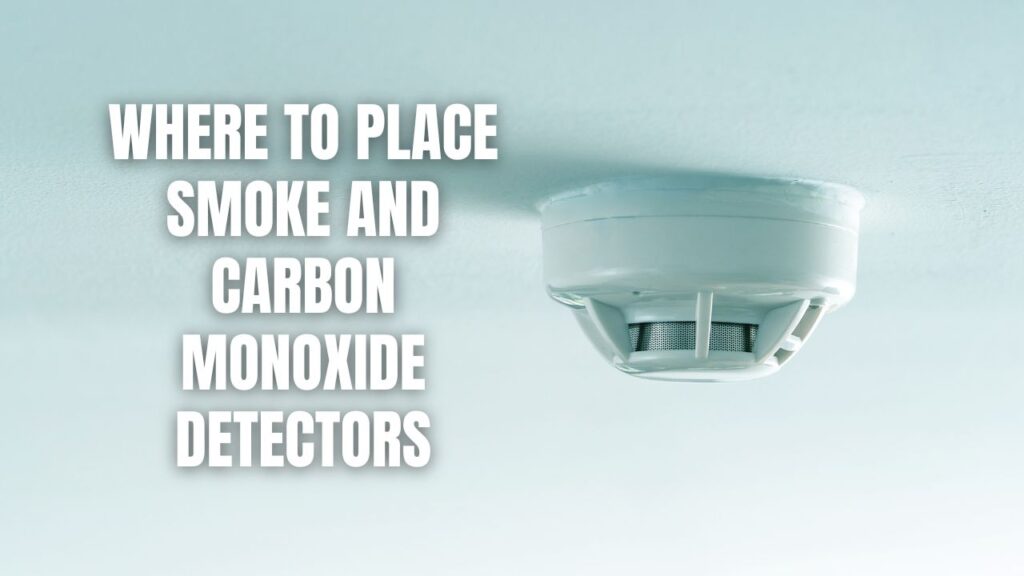
So, let's get down to the brass tacks: where should this hero stand guard? The guidelines are wonderfully straightforward, making it easy for even the most casual learner to implement. You'll want a detector on every level of your home, including the basement and near attached garages. But most critically, place them near sleeping areas. Imagine you have several bedrooms; a good rule of thumb is to place one within 15 feet of each bedroom door. Also consider areas with fuel-burning appliances like furnaces or water heaters, and certainly in any rooms above or adjacent to an attached garage, where vehicle exhaust could seep in.

Ready to make your home an even safer sanctuary? Here are some simple tips for "installation at home" – not a creative project, but a life-affirming one! First, opt for interconnected alarms if possible, so if one sounds, they all do. Second, always follow the manufacturer's instructions for mounting height, which is usually on a wall or ceiling. Avoid placing them too close to fresh air vents, windows, or within 5 feet of fuel-burning appliances. Third, make it a habit to test your detectors monthly (just press the 'test' button!) and replace batteries annually, or the entire unit every 5-7 years, depending on the model. It's a quick check that offers immense reassurance.
Ultimately, taking the time to properly place your carbon monoxide detectors isn't a chore; it's an investment in your well-being. It's enjoyable because it transforms an abstract threat into a concrete solution, leaving you with a profound sense of security and control. Rest easy, knowing your home is armed with this tiny, mighty hero, allowing you to live, laugh, and create with unparalleled peace of mind.

/where-to-place-smoke-detectors-1152485_V2-3c5086adfaa646d69d312b45d342c621.png)