
Why Are My Fire Alarms Going Off For No Reason
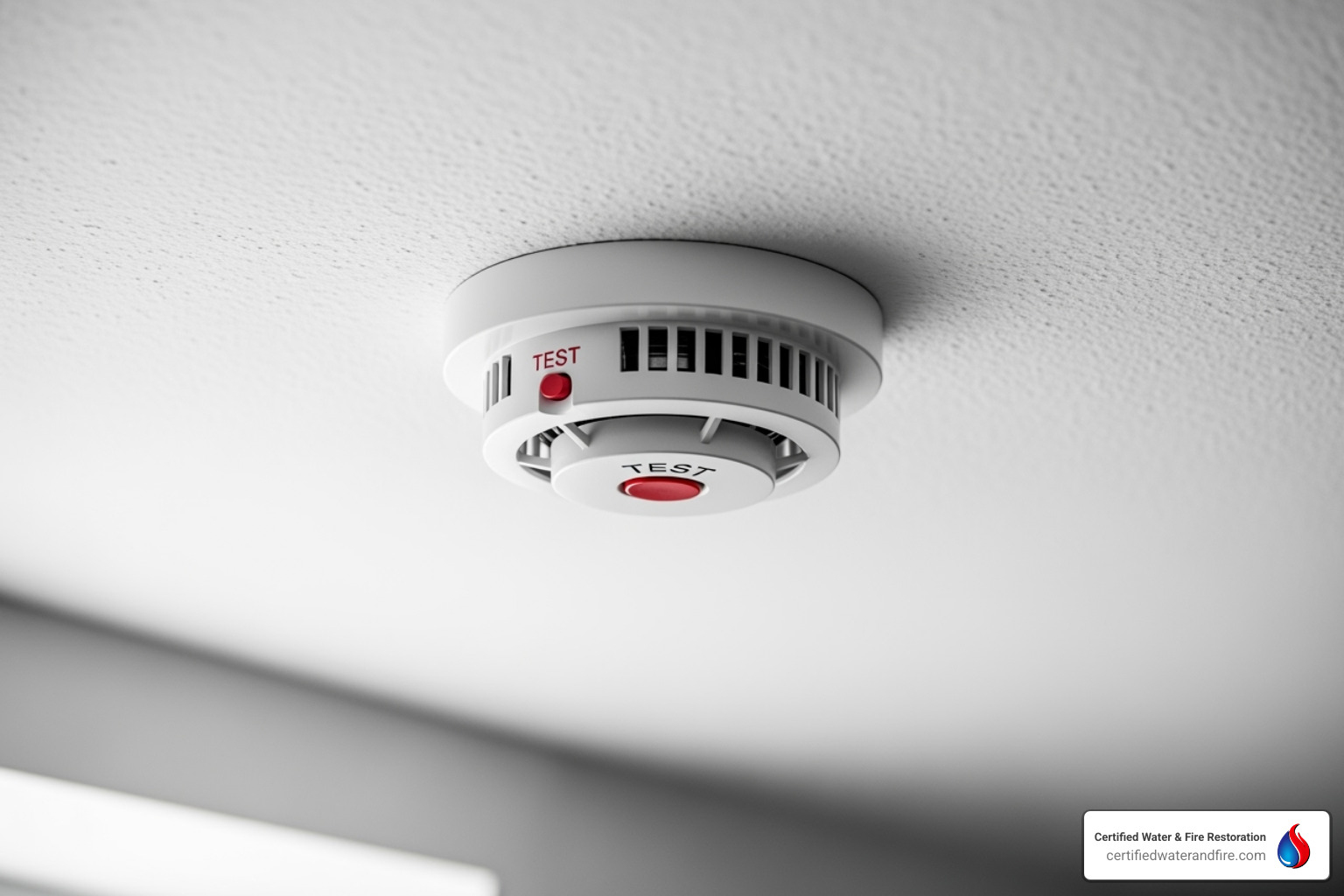
Alright, friend, let's talk about it. You're chilling, maybe binging your favorite show, whipping up a masterpiece in the kitchen (or, let's be real, burning toast), or just minding your own business, when suddenly – WAAAH! WAAAH! WAAAH! – your fire alarm decides to throw a surprise party, and you're the only one invited. And by "party," I mean a screeching, ear-splitting symphony of panic. For absolutely no reason. Sound familiar?
It's enough to make you want to rip the thing off the ceiling and throw it into the nearest black hole. But before you declare war on your smoke detector, let's uncover why these little guardians of our safety sometimes turn into dramatic divas. Trust me, it's usually not because they hate you (though it feels like it at 3 AM).
Dust Bunnies & Tiny Invaders
This is probably the most common culprit. Your smoke detector is essentially a super sensitive air quality sensor. It's designed to detect tiny particles in the air. Guess what else is made of tiny particles? Yep, dust!
Must Read
Over time, dust, lint, and even tiny spiderwebs can build up inside the alarm's sensing chamber. When enough of this gunk accumulates, the alarm can "think" it's detecting smoke and go off. It's like a tiny, dusty ghost is constantly setting it off. A quick vacuum or a blast of canned air can often solve this. Just make sure to read the instructions for your specific model first, okay?
The Steamy Shenanigans
Ever had your fire alarm go off right after a long, hot shower? Or when you're boiling a big pot of pasta? You're not alone. Smoke detectors are great at detecting smoke, but some types (especially photoelectric ones) are also pretty good at detecting dense steam and high humidity. They mistake the water vapor particles for smoke particles.
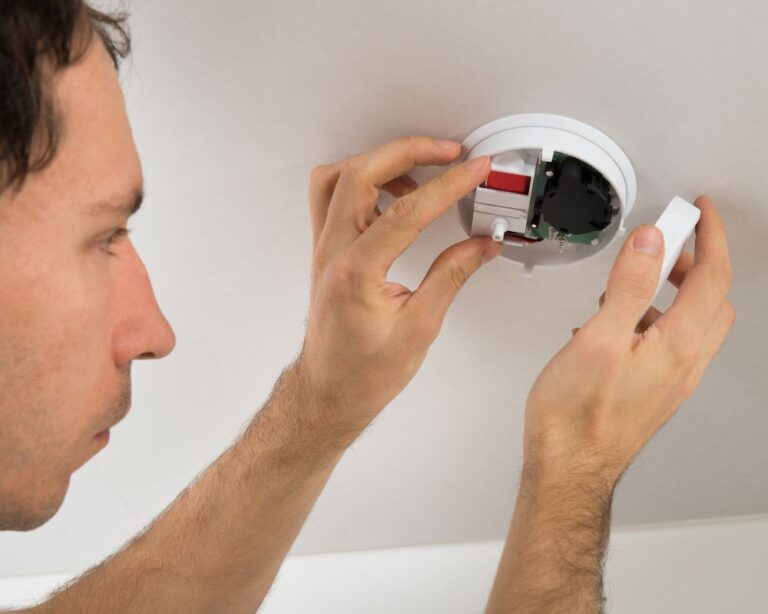
It’s an honest mistake, really. Your alarm probably just thinks your bathroom has spontaneously combusted into a cloud factory. The solution? Try to keep those steamy adventures away from the detector, or ensure good ventilation. Maybe open a window, or turn on the bathroom fan!
Kitchen Capers (Beyond Burnt Toast)
Okay, we all know burnt toast is a surefire way to trigger the alarm. But even regular, non-catastrophic cooking can set it off. High-heat cooking, especially frying or grilling, can release tiny oil particles into the air. These microscopic bits can easily fool your smoke detector into thinking there's a mini-inferno happening.
Even intense spices or very pungent foods can sometimes contribute to the "phantom smoke" effect. Your alarm is just being extra vigilant. Make sure your kitchen fan is on full blast, and maybe try to keep the detector a good distance from the stovetop. (But still within code, of course! Safety first, false alarms second.)

The Great Battery Mystery
While a low battery usually results in that annoying, periodic chirp (the one that always starts at 2 AM, naturally), a dying or faulty battery can sometimes cause more erratic behavior, including full-blown false alarms. Or, if it's a hardwired alarm with a battery backup, a power flicker could momentarily make the battery kick in weirdly.
It's always a good idea to check those batteries. Most manufacturers recommend changing them at least once a year. Think of it as an annual tune-up for your little sentinel.

It's Time for a Retirement Party!
Yup, fire alarms don't last forever. Most manufacturers recommend replacing smoke detectors every 10 years. Carbon monoxide detectors usually have a lifespan of 5-7 years. After this time, the internal components can start to degrade, leading to malfunctions and, you guessed it, false alarms.
If your alarm is ancient enough to have witnessed disco, it might be time to gently (or not so gently, if it's still screaming) escort it to the recycling bin and get a shiny new one. It's had a good run!
Chemical Shenanigans & Pesky Pests
Ever done some serious cleaning with harsh chemicals, painted a room, or used strong aerosols? The fumes from these products can sometimes trigger an alarm, especially if they're particularly strong or the area isn't well-ventilated. Your detector is like, "Whoa, what's in the air?!"
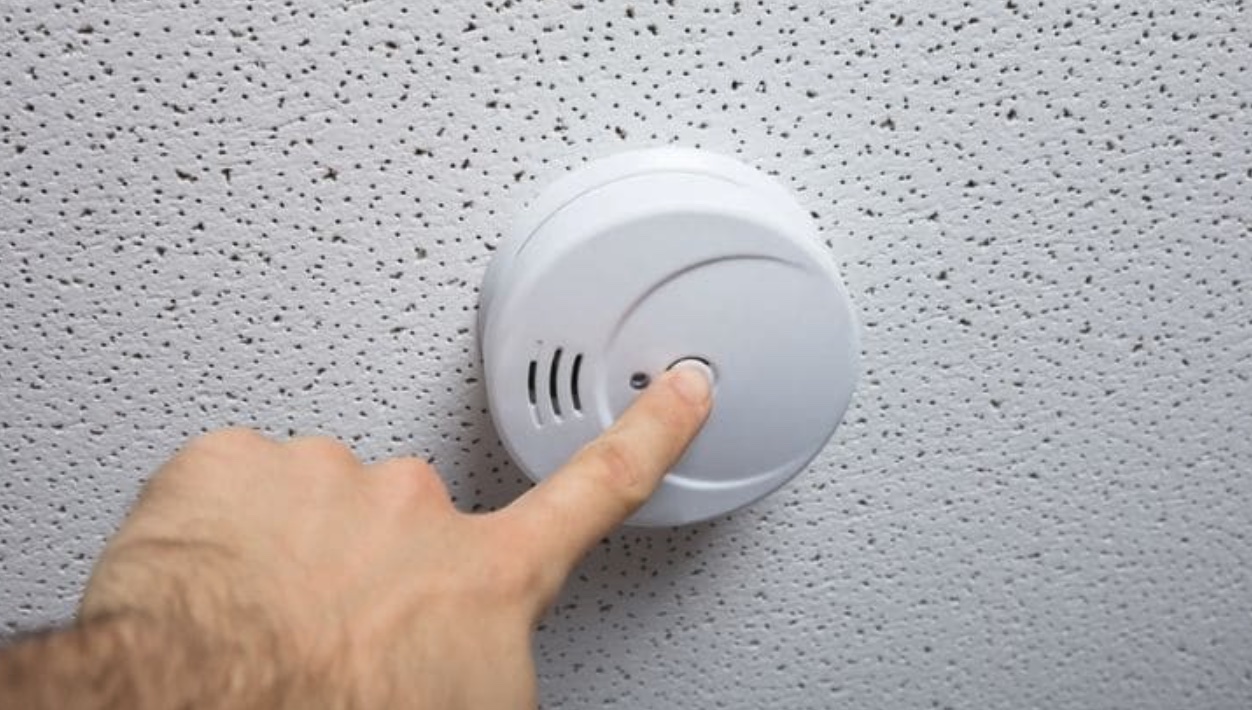
And then there are the pests. Yes, tiny bugs – spiders, ants, even fruit flies – can crawl into the sensing chamber. When they move around, they can interrupt the sensor and cause a false alarm. It's essentially a tiny insect rave setting off your fire alarm.
Don't Despair, You're Not Alone!
So, next time your fire alarm decides to throw an unsolicited concert, remember, it's probably not a sign that your house is secretly on fire (unless, you know, it actually is, then definitely check!). It's likely just being a little overzealous, dusty, steamy, or perhaps just needs a good clean or a well-deserved retirement.
A little regular maintenance – a quick clean, fresh batteries, and replacing older units – can go a long way in keeping these noisy heroes calm. They're just doing their best to protect you, even if their definition of "danger" sometimes includes your morning shower or a particularly enthusiastic dust bunny. So give your alarm a little understanding, maybe a pat on the (ceiling) head, and enjoy your peaceful, alarm-free day (hopefully!). You got this!