What Are Fire Extinguishers Designed To Remove
Ever walked past that bright red cylinder on the wall and given it a quick glance, perhaps wondering what mysteries it holds inside? Fire extinguishers are one of those everyday safety items we hope we never have to use, but understanding them isn't just practical – it's genuinely fascinating! It's like learning the secret superpower of an unassuming hero. So, let’s peel back the layers and discover what these clever contraptions are actually designed to remove from a tricky situation.
At its heart, a fire extinguisher’s purpose is elegantly simple: to break the "fire triangle." Imagine a triangle with three sides: heat, fuel, and oxygen. For a fire to start and continue burning, all three elements must be present. A fire extinguisher's job is to strategically take away one or more of these crucial components, thus extinguishing the flame. Pretty neat, right? The benefit is immediate and immense: it can stop a small fire from becoming a catastrophe, buying precious time for evacuation and potentially saving lives and property.
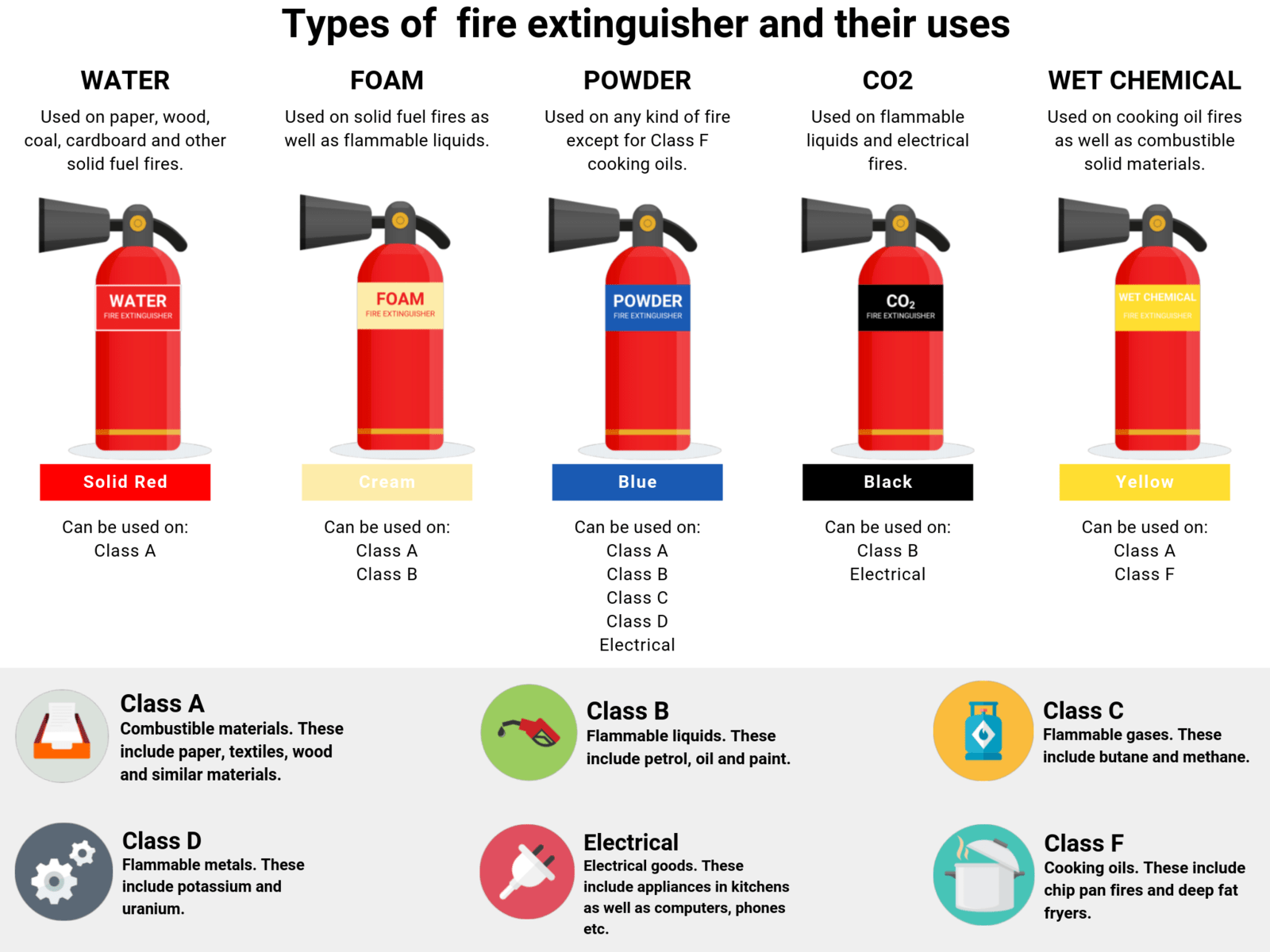
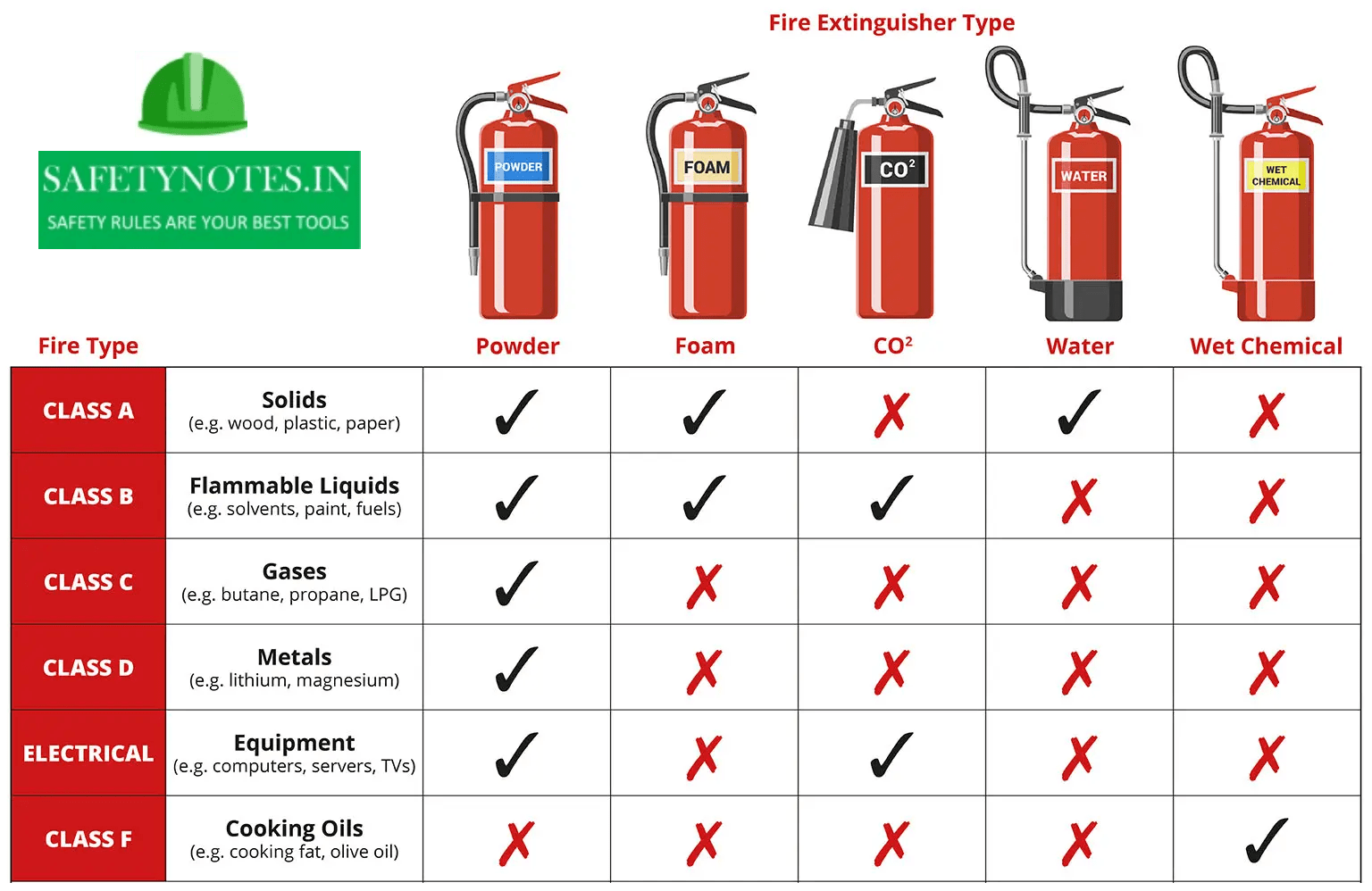
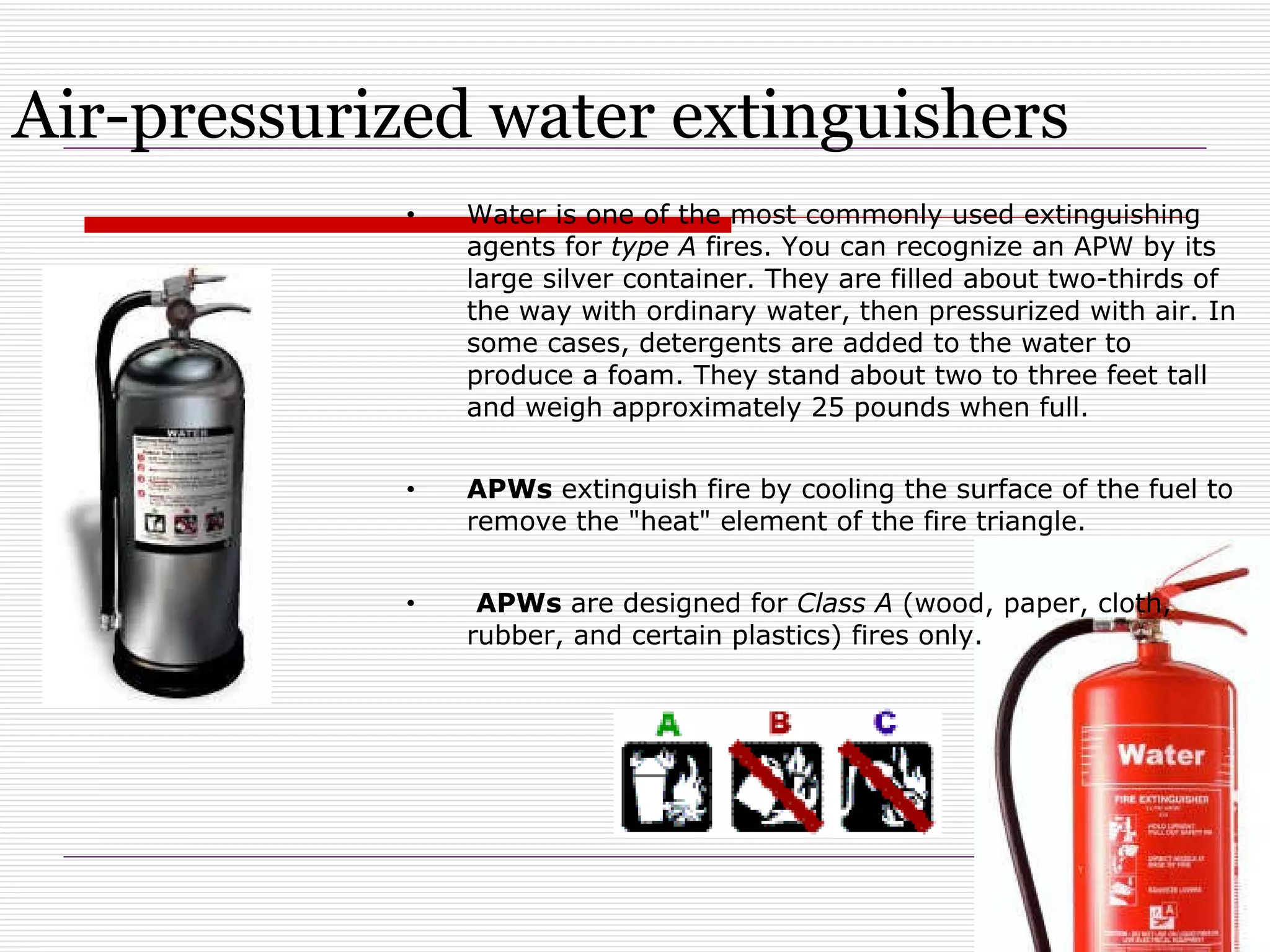
The intriguing part is that not all fires are created equal, and neither are all extinguishers! This is where they reveal their specialized "removal" skills. For example, a common Class A extinguisher, often filled with water or a water-based agent, is designed to cool down and remove the heat from ordinary combustible materials like wood, paper, and cloth. Think of a wastebasket fire – a Class A is your go-to.
Must Read
Then there are Class B extinguishers, which tackle flammable liquids and gases like grease, oil, or paint. These usually work by creating a barrier that removes the oxygen from the fuel's surface, smothering the fire. Class C extinguishers are for electrical fires – they use non-conductive agents (like carbon dioxide or dry chemical powder) to remove oxygen or disrupt the chemical reaction, making them safe for live electrical equipment. You wouldn't want to spray water on an electrical fire, for obvious reasons!
You might also encounter Class D for combustible metals (highly specialized, found in industrial settings) or Class K for cooking oils and fats, often seen in commercial kitchens. Class K agents work by causing a chemical reaction that creates a foam layer, effectively removing heat and separating the fuel from oxygen. Each one a specialist, honed to remove a specific element from a specific fire type!
In daily life, understanding this is incredibly empowering. Imagine a small grease fire starting in your kitchen – knowing that a Class B or K extinguisher is designed to remove the oxygen and cool the fuel is invaluable. In educational settings, fire safety drills often include demonstrations of these principles, teaching students and employees about the various classes and the all-important P.A.S.S. method: Pull the pin, Aim at the base of the fire, Squeeze the handle, and Sweep side to side.
Want to explore this fascinating topic further? It’s super simple! The next time you see a fire extinguisher at home, work, or in a public building, take a moment to read its label. You'll usually find letters (A, B, C, etc.) indicating its class and what types of fires it's effective against. This tells you exactly what it's designed to remove! You could also do a quick online search for "fire triangle" or "fire extinguisher types" to dive deeper. Remember, knowledge is power, especially when it comes to safety. Understanding what fire extinguishers are designed to remove isn't just a fact; it's a critical piece of everyday readiness.