
Should You Close Vents In Unused Rooms In Summer

Ah, summer. The glorious season of sunshine, ice cream, and that universal quest for the perfect indoor temperature. Your AC is humming, your energy bill is doing its best impression of a rocket launch, and somewhere in the back of your mind, a little lightbulb flickers.
"Wait a minute," you think, eyes narrowing as you gaze at the guest room that hasn't seen a guest since Aunt Mildred's ill-fated visit last Christmas. "Why am I cooling a room no one's even using? I'm a genius! I'll just close the vent!"
Sound familiar? You're not alone. It's a thought that crosses the minds of countless cost-conscious homeowners every summer. It feels so instinctively right, doesn't it? Like turning off a light in an empty room, or closing the fridge door when you're not rummaging for snacks. Logic dictates that if you're not using the room, you shouldn't be paying to cool it. But alas, dear reader, when it comes to your HVAC system, logic can sometimes be a cheeky little trickster.
Must Read
The Great Vent Debate: Why Your "Brilliant Idea" Might Be Backfiring
Let's talk about your AC system for a moment. Think of it less like a collection of individual light switches and more like a carefully balanced, incredibly sensitive ecosystem. It's designed to push a specific amount of air at a specific pressure through a specific network of ducts. It's like a finely tuned orchestra, and those vents are the carefully positioned musicians.
When you start slamming vents shut, you're essentially telling half the orchestra to stop playing. What happens? The air still has to go somewhere. Instead of flowing freely and efficiently through all the vents, it gets a little… confused.
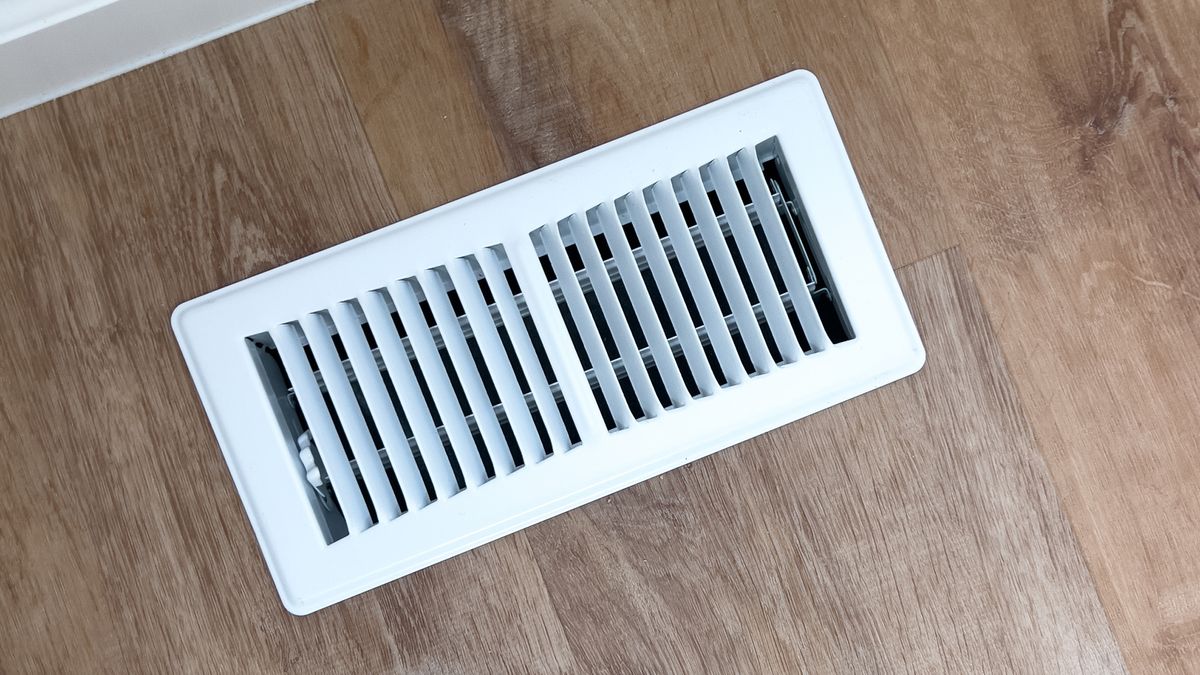
Imagine your AC unit is trying to exhale, but you've suddenly plugged up half its nostrils. It's going to work a lot harder, isn't it? That's what happens to your system. It starts building up pressure in the ducts. This increased pressure is the villain in our story, causing a cascade of not-so-great things.
Your AC is Working Harder, Not Smarter
Instead of saving energy, you might actually be making your AC unit huff and puff like it's running a marathon uphill. When pressure builds, the air handler motor has to work harder to push the air. This extra effort means more energy consumption, and more wear and tear on your system. It's like trying to drink a super thick milkshake through a tiny coffee stirrer – lots of effort, not much reward, and eventually, a strained jaw.
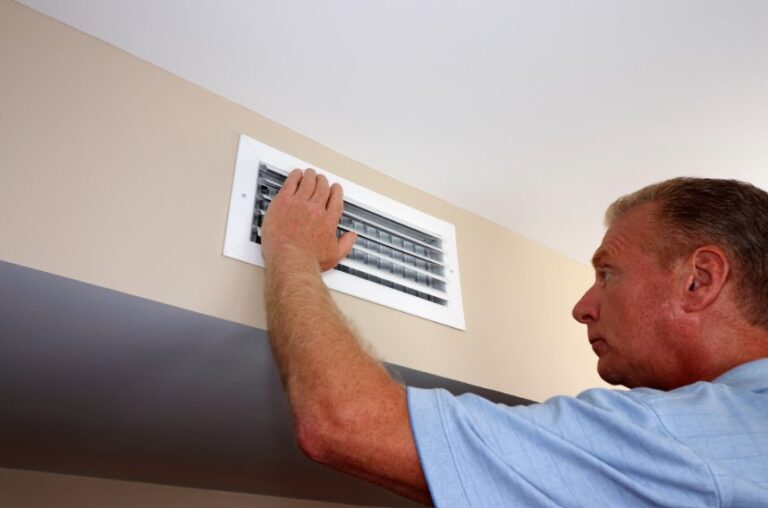
Hello, Duct Leaks!
Those ducts running through your walls and ceiling? They're not always perfectly sealed. Over time, tiny cracks and gaps can appear. When you increase the pressure inside those ducts by closing vents, you're essentially pushing the air to find the path of least resistance. And guess what? Those tiny cracks suddenly become escape hatches. You're effectively forcing your perfectly cooled air into your attic or between your walls, cooling spaces you absolutely, positively do not want to cool. It's like trying to inflate a balloon with a dozen tiny pinpricks – a lot of effort, very little actual inflation.
The Return of the Hot Air (Literally)
Your AC isn't just about blowing cold air out; it's also about sucking warm air back in through the return vents to be re-cooled. If you've restricted the flow of air into certain rooms, you're also mucking with the return air path. The system needs to maintain balance. If it can't return enough air, it can't cool as effectively, making the entire house feel less comfortable. It's a whole, circular, chilly dance!
That Unused Room Isn't Staying Cool Anyway
Even if you close the vent, that unused room isn't magically sealed off from the rest of the house. Heat will still bleed in from walls, windows, and even through the floor from the hot ground or crawl space. So while you're effectively suffocating your AC, that unused room is probably still a little warm, like a forgotten oven that's slowly cooling down.
So, What's a Savvy Homeowner To Do?
Don't despair! While closing vents might not be the superhero solution you hoped for, there are plenty of genuinely effective ways to save energy and keep your home cool. Instead of trying to outsmart your HVAC, try these proven methods:
- Get a programmable thermostat: Set it to a higher temperature when you're out and lower it when you're home.
- Seal leaks: Focus on weather-stripping around doors and windows. This is where most of your cool air actually escapes!
- Use ceiling fans: They make a room feel cooler by circulating air, allowing you to set your thermostat a few degrees higher.
- Regular maintenance: Get your AC unit serviced annually. A clean, well-maintained system runs more efficiently.
- Block the sun: Close curtains and blinds on sunny sides of your house during the hottest parts of the day.
So, the next time that little lightbulb flickers and suggests closing off vents, give it a wink and a nod, but resist the urge. Your AC system, like a well-meaning but sensitive friend, prefers to do its job without being deliberately hampered. Keep your vents open, let your system breathe, and focus on the real energy-saving wins. Your wallet (and your perfectly cooled living room) will thank you.
