How Do You Use A Generator To Power Your House

Picture this: You’re settling in for a cozy evening. Perhaps you’re engrossed in a nail-biting show, whipping up a gourmet meal, or simply enjoying the hum of modern life. Then, bam! The world goes dark. The refrigerator falls silent, the Wi-Fi blinks out, and your phone battery suddenly seems a lot less robust. For many, this is a familiar, unwelcome scenario – the dreaded power outage. But for a growing number of savvy homeowners, that sudden silence isn't a cue for panic; it's an opportunity for their trusty power sidekick to shine: the home generator.
There's a quiet satisfaction, almost a primal triumph, in being the house on the block that still glows with warmth and light when everyone else is fumbling for candles. That's the core joy of owning a generator. It’s not just about brute power; it’s about peace of mind, uninterrupted comfort, and maintaining a semblance of normalcy when the world outside has gone topsy-turvy. The benefits are clear: no more spoiled groceries turning your fridge into a science experiment, no more shivering in the dark during a winter storm, and crucially, no more frantic searches for a charging port when your digital lifeline dwindles to 1%.
Generators serve a vital purpose, acting as a crucial backup system for our increasingly electrified lives. They’re indispensable during major weather events like hurricanes, blizzards, or severe thunderstorms that can knock out power for days. They're also a lifeline for those who rely on medical equipment that needs continuous power. Beyond emergencies, generators are a common sight in rural areas where grid reliability might be less stable, or even for powering workshops and outdoor events far from a wall socket. Essentially, they’re your personal grid, ready to activate when the main one falters, keeping your lights, heating, cooling, and essential appliances purring.
Must Read
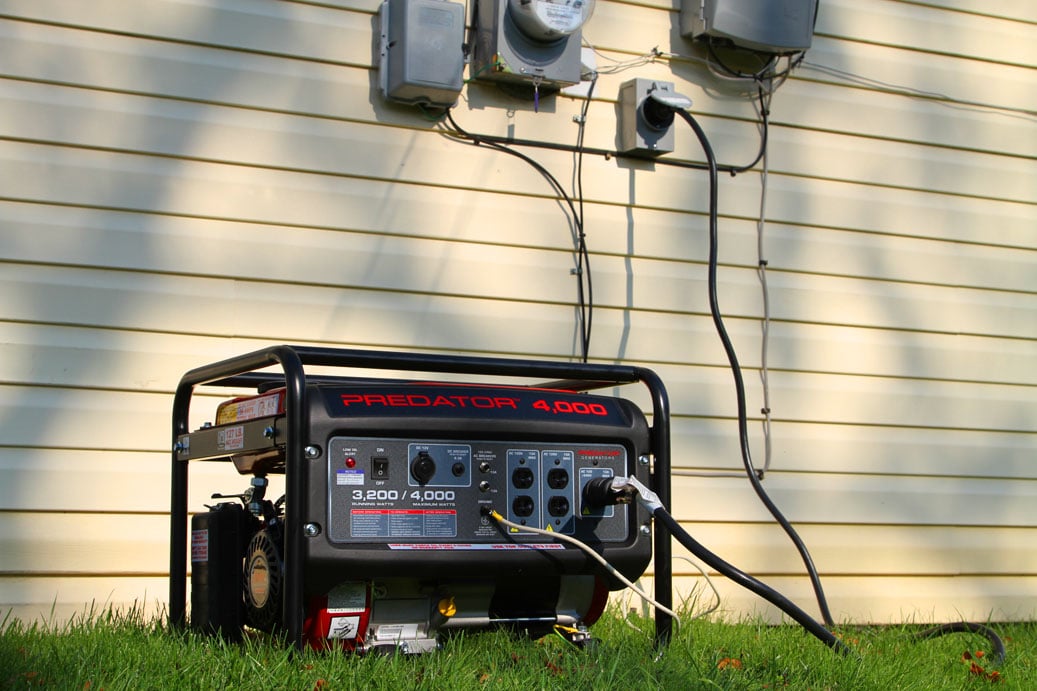
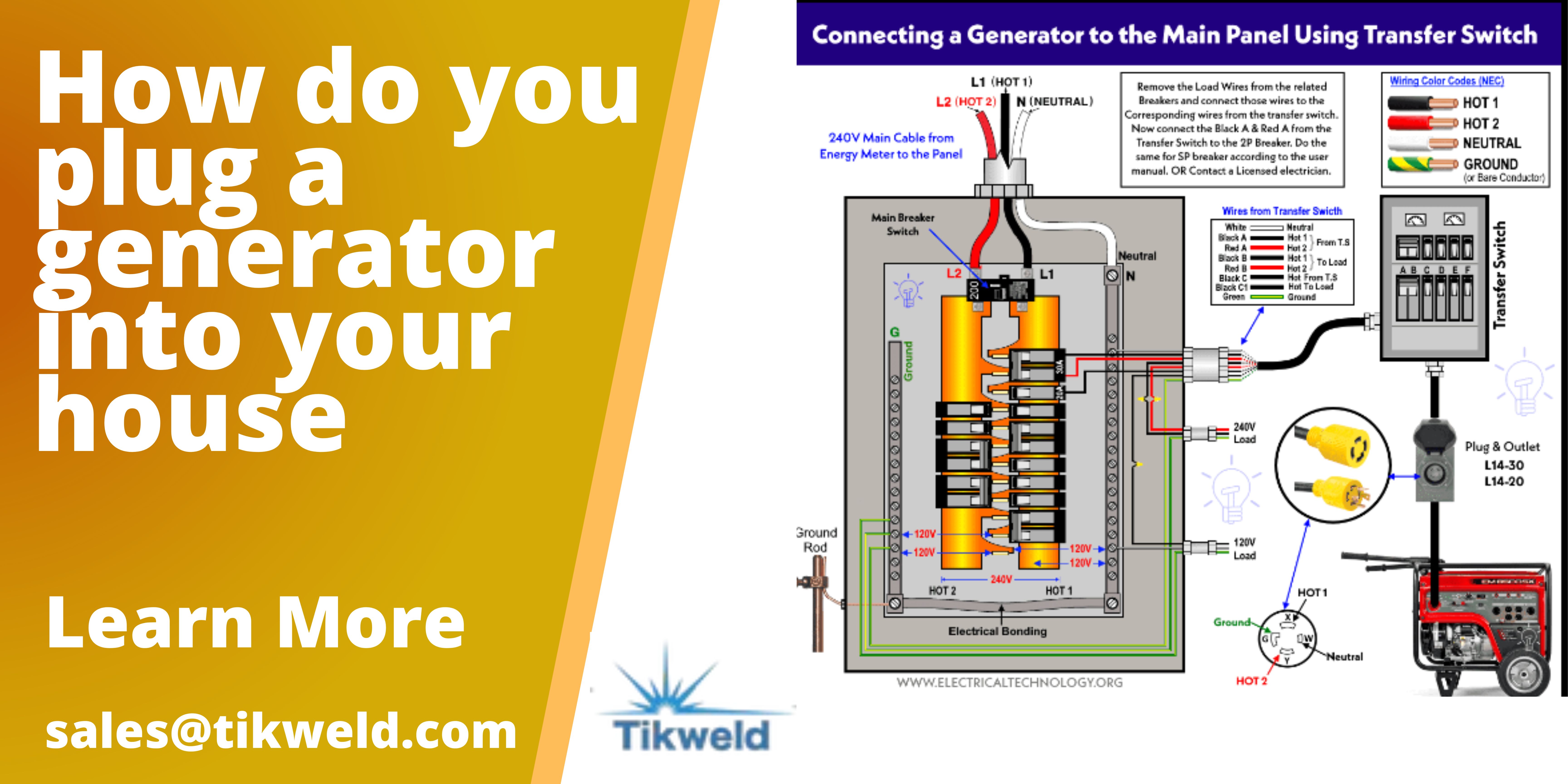
So, how do you "enjoy" this magnificent machine more effectively and safely? First and foremost, safety is paramount. Always, always operate your generator outdoors in a well-ventilated area, far from windows and doors, to prevent deadly carbon monoxide poisoning. This is non-negotiable! Secondly, fuel management is key. Generators run on gasoline, propane, or natural gas. Always keep fresh fuel on hand, stored safely, and rotate it regularly to prevent degradation. Thirdly, consider how you’ll connect it. For powering a few essential items, heavy-duty extension cords (rated for outdoor use) are fine. But for whole-house power, a professionally installed transfer switch is a must. This prevents dangerous "backfeeding" of electricity into the grid, which can injure utility workers and damage your generator. Finally, practice makes perfect. Don't wait for an emergency to learn how to start and operate your generator. Run it periodically (following all safety guidelines, of course) to keep it in good working order and to familiarize yourself with its quirks. Knowing your wattage needs ahead of time will also help you choose the right size generator and avoid overloading it, ensuring your generator remains a hero, not a headache, when the lights go out.