
Should Carbon Monoxide Detectors Be Low Or High

Alright, let's talk about something super important, but often overlooked, in the chillest way possible: carbon monoxide detectors. You know, those little gadgets that silently stand guard against the "silent killer"? We all know we should have them, but have you ever paused to wonder about something kind of specific, almost quirky, about them? Like, where should they actually go?
We've all heard the advice for smoke detectors (high up, 'cause smoke rises, right?). And maybe you've even heard about propane detectors needing to be low (propane sinks!). But what about carbon monoxide (CO)? Should those be low? High? Somewhere in the middle? It feels like a small detail, but it's actually pretty fascinating once you dig in. So, grab a comfy seat, because we're about to unravel this little mystery with some relaxed curiosity.
The Great Carbon Monoxide Mystery: Light or Heavy?
Here’s where things get interesting, and a little bit counter-intuitive for some. Our brains often try to categorize things: up or down, light or heavy. But CO plays by its own rules, kind of like that one friend who's always just... there, blending into any crowd.
Must Read
Many folks assume CO is either much lighter than air and floats up to the ceiling, or it's super heavy and sinks to the floor. And both of those assumptions are... well, they're not quite right. The truth is, carbon monoxide is actually very, very close to the same density as ordinary air.
Think of it like this: Imagine you're mixing two different types of glitter, one slightly lighter than the other. If you stir them up really well, they just hang out together, right? They don't separate dramatically. That's CO and air. They're like perfect dance partners, just mingling freely throughout a room. So, unlike smoke that visibly heads for the ceiling, or a heavy gas like propane that'll slink to the lowest point, CO doesn't have a strong preference for high or low. It just... mixes.
.jpg?format=2500w)
So, If It Just Mixes, Does Placement Even Matter?
This is where the plot thickens! If CO just diffuses and blends with the air, then why do manufacturers give us specific placement instructions? Shouldn't it theoretically detect it anywhere? This is a great question, and the answer lies not in where CO collects, but in where you are likely to be breathing it in.
Imagine you're asleep. Your head is relatively low to the ground, isn't it? Or you're lounging on the couch, chilling. You're breathing air from a specific zone. The goal of a CO detector isn't just to find CO somewhere in the room; it's to detect it at levels that could harm you, especially when you might be most vulnerable, like when you're sleeping or unconscious.
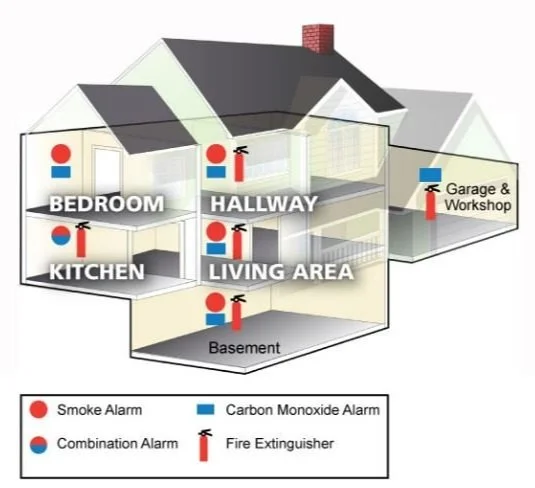
Because CO mixes so well, a detector placed at "breathing height" in a sleeping area or common living space gives you the best chance for early detection at the level you'd actually be inhaling it. It's about monitoring your personal breathing zone, not chasing after a gas that doesn't really have a favorite spot.

The Official Word & The "Why" Behind It
Most manufacturers and safety organizations recommend placing CO detectors at chest height or lower – typically around 5 feet from the floor, or even lower if you're installing them in bedrooms where people sleep closer to the ground. Some even suggest placing them on a wall about 1-3 feet from the floor. Wait, why lower then, if it mixes evenly?
Well, there are a couple of practical reasons:
- Where you breathe: As we discussed, it's about detecting the gas in the air you're actually inhaling, particularly when you're sleeping. Your bed is usually closer to the floor than the ceiling!
- Avoidance of specific sources: Placing them too close to combustion appliances (like a furnace or water heater) might give nuisance alarms from a tiny, harmless amount of CO initially emitted. Similarly, too close to vents or windows could dilute the air and delay detection. Manufacturers want optimal placement for accurate and timely detection of dangerous levels.
- Accessibility for testing: Let's be real, it's easier to reach a detector at chest height to test it regularly than one perched precariously near the ceiling!
So, it's less about the gas collecting high or low, and more about optimal detection within your personal breathing space, while also avoiding false alarms and ensuring ease of maintenance.
Common Mix-Ups and What NOT to Do
It's super easy to get mixed up here because other safety devices do have specific height requirements:
- Smoke detectors: Absolutely put these high, on ceilings or high on walls. Smoke and hot air rise, so that's where the danger collects first.
- Natural gas detectors: Natural gas is lighter than air, so these would also typically be placed high.
- Propane detectors: Propane is heavier than air, so these should be placed low to the ground.
But for CO, resist the urge to follow these other rules! Don't put your CO detector right next to a window, a door, a fan, or directly above or too close to a fuel-burning appliance. These spots can either interfere with proper sampling or cause nuisance alarms.
The Takeaway: Don't Overthink, Just Protect!
So, should carbon monoxide detectors be low or high? The chill answer is: neither specifically high nor specifically low like some other gases. Because CO mixes so thoroughly with air, the key is to place them in your living and sleeping areas, at a height that allows them to detect the gas effectively within the air you breathe.
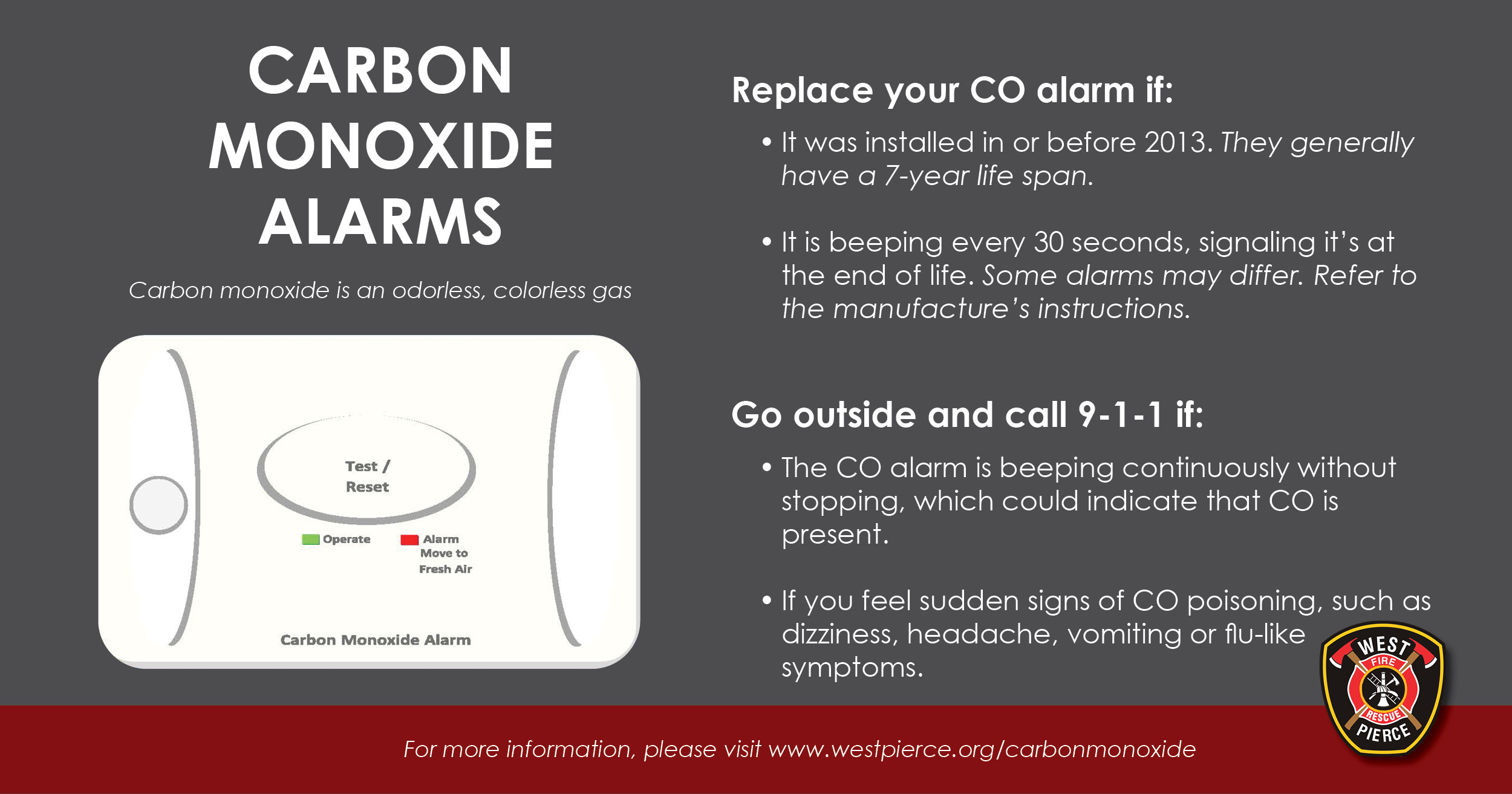
The most crucial thing, more than agonizing over a few inches, is simply having working carbon monoxide detectors installed in your home, especially near sleeping areas and on every level. Read the specific instructions that come with your detector – they're your best guide for optimal placement!
Knowing this little bit of science about CO's density isn't just cool trivia; it helps you feel more confident about protecting your home and loved ones. So, breathe easy, stay curious, and make sure those CO detectors are doing their important job!