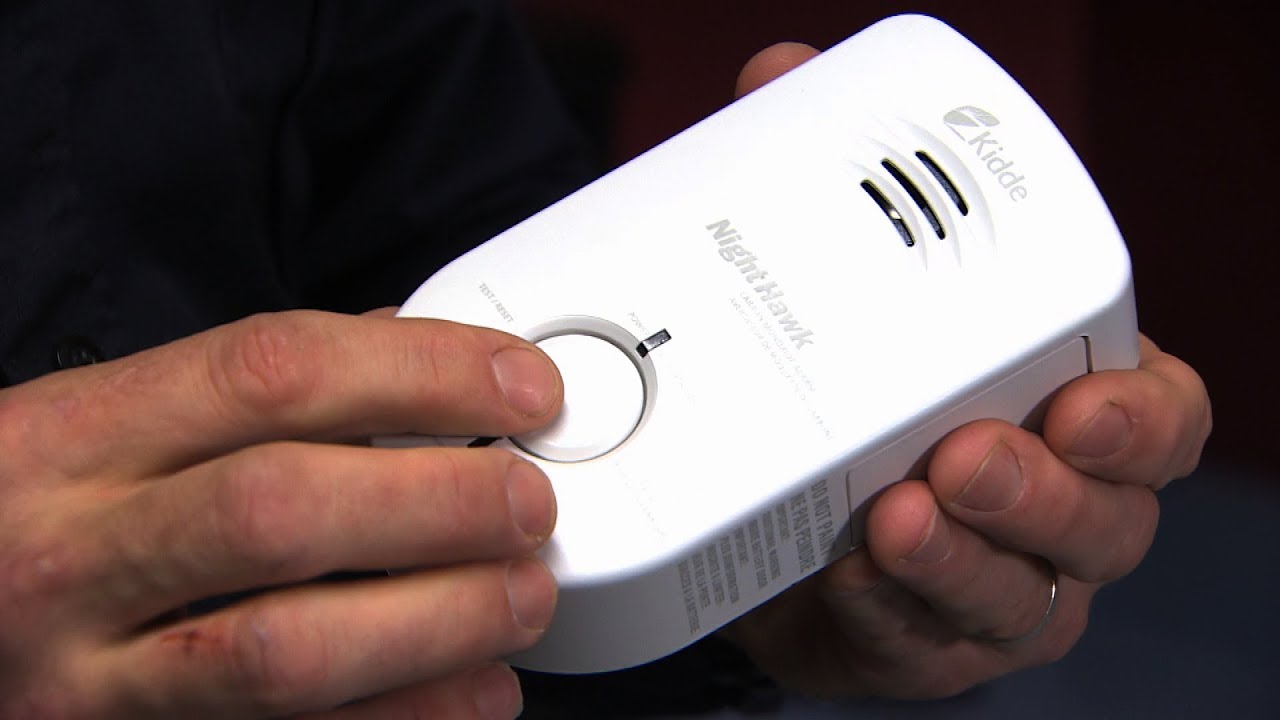
Why Does My Carbon Monoxide Alarm Keep Chirping
There's a sound that can instantly turn a peaceful evening into a frantic search mission. It’s not the smoke alarm, thank goodness. No, it’s that other, equally insistent, high-pitched chirp. The one from your carbon monoxide alarm. And let’s be honest, 99% of the time, our first thought isn't, "Oh no, invisible killer gas!" It’s more like, "Seriously? AGAIN?"
We all know these little gadgets are designed to save lives. They're like silent guardians, sniffing out an odorless, colorless danger. But sometimes, just sometimes, they seem to be a bit… dramatic. Like a moody teenager who slams their bedroom door because their phone battery is at 5%. Most of us suspect that a chirping CO alarm isn’t always signaling an immediate trip to the emergency room, but rather a cry for attention, or perhaps just a very minor inconvenience.
Let's confess: haven't we all, at some point, given a chirping alarm "the look" – a silent plea for it to just, please, calm down?
So, why does your trusty (but often annoying) carbon monoxide detector keep making that noise? Here’s a playful look at the usual suspects, because let’s face it, it’s probably not a real emergency this time. (But hey, if you actually feel sick, get out and call for help! Safety first, laughs second.)
The Usual Suspects Behind the Chirps
1. The Whiny Battery: "Feed Me! Feed Me Now!"
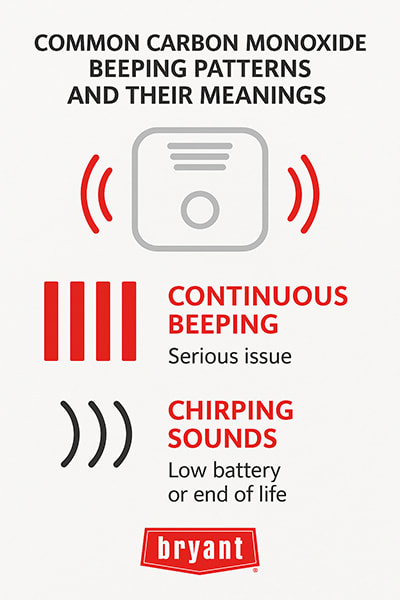
This is the grand champion of CO alarm chirps. It’s the most common, and arguably the most irritating. Your alarm isn't detecting poison; it's simply informing you, with all the subtlety of a foghorn, that its energy source is running low. Think of it as a tiny, persistent bird that needs a worm. Or rather, a couple of fresh AA batteries. It just wants to survive, and it's not afraid to nag until you oblige. It’s like it knows you’re just trying to relax and precisely times its chirps for the quietest moment of your day.

2. The Grumpy Old Timer: "I've Done My Time!"
Did you know these alarms have a shelf life? They aren't meant to last forever, much like that carton of milk in the back of your fridge. Most carbon monoxide alarms have a lifespan of about 5-7 years. After that, they start to protest. Their chirps aren’t for lack of power, but rather a polite (or not-so-polite) notice that they're ready for retirement. They've sniffed their last sniff, and it's time for a younger, more spry model to take over. Check the back of the unit; there's usually an expiration date printed there. It’s their way of saying, "My sensors are tired, boss!"
3. The Drama Queen: Dust and Cobwebs
Sometimes, the problem isn't invisible gas, but invisible gunk. Dust bunnies, tiny spiders building miniature homes, or just general household grime can sometimes get into the sensor chamber. This can confuse the little device, making it think something is amiss. It's like having a tickle in your throat and your brain screaming "ALIEN INVADER!" A gentle wipe-down with a cloth (and maybe a quick vacuum around the vents) might just be the quiet solution you need. Your alarm just had a minor case of the sniffles.

4. The Moody Meteorologist: Temperature and Humidity Swings
Believe it or not, these sensitive devices can react to sudden changes in their environment. A big blast of steam from a hot shower nearby, a dramatic temperature drop overnight, or even an open window letting in a gust of cold air can sometimes trigger a temporary chirp. It’s like the alarm is just sighing dramatically because the weather isn't to its liking. "Ugh, is it hot in here, or is it just me?" it seems to whine.
5. The Location, Location, Location Fiasco
Where you place your CO alarm actually matters. Putting it too close to fuel-burning appliances (like a furnace or water heater), a fireplace, or even a very steamy bathroom can sometimes cause it to "taste" normal combustion byproducts or moisture and get a little overzealous. It's like having a guard dog that barks at squirrels. It's doing its job, but maybe a little too enthusiastically for its surroundings. Sometimes, just moving it a few feet away can solve the mystery.

So, What's a Tired Human to Do?
Before you panic (or dramatically throw it out the window), follow these simple steps. First, and always, check the batteries. That’s your number one suspect. Second, look for the manufacture date or expiration date on the back. If it's pushing its retirement age, it’s time for a replacement. Third, give it a gentle cleaning. And finally, consider its location. Sometimes, a tiny adjustment can lead to blissful silence.
While we might playfully grumble about our chirping carbon monoxide alarms, remember they are there for a vital reason. They're your personal gas sniffers, even if they sometimes cry wolf for a dead battery. So, next time yours starts its song and dance, smile, roll your eyes, and then get to the bottom of the mystery. It’s probably just being a little drama queen, but better safe than sorry, right?