Can Carbon Monoxide Come From Air Conditioning
Ah, the sweet relief of a well-functioning air conditioner on a scorching day! There's nothing quite like stepping into a cool, calm home when the mercury is soaring outside. But amidst our reliance on these modern marvels, a common whisper of concern often circulates: "Can carbon monoxide come from my air conditioning?" It's a completely understandable question, born from a natural desire to keep our homes not just comfortable, but also safe. And let me tell you, getting to the bottom of household mysteries like this is not only useful but surprisingly engaging!
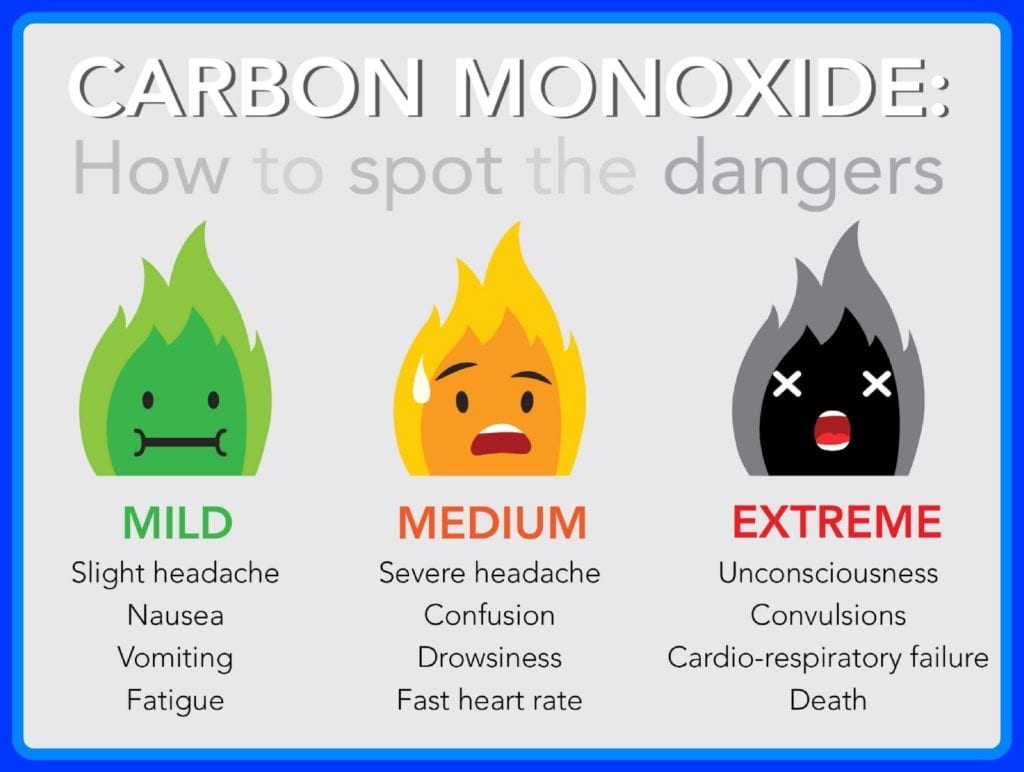
This topic is popular because it touches on two vital aspects of home life: comfort and safety. We all want our homes to be sanctuaries, free from hidden dangers. Carbon monoxide (CO) is famously known as the "silent killer" – colorless, odorless, and incredibly dangerous. So, it's only natural to wonder if our trusted cooling systems, which often share ductwork with heating systems, could be a secret culprit. The purpose of this article is to clear up any confusion, provide some much-needed peace of mind, and empower you with knowledge about real CO risks. The benefit? A safer home and a clearer understanding of your essential appliances!
So, let's get straight to the heart of the matter: Can carbon monoxide come directly from your air conditioning unit? The reassuring answer is a resounding no. Your air conditioner, whether it's a central unit, a window AC, or a mini-split, works by circulating refrigerant to cool the air and then blowing that cooled air into your home. It's an electrical process, not a combustion one. Air conditioners do not burn fuel, which is the fundamental requirement for producing carbon monoxide.
Must Read
Now, here's where the confusion might creep in. While the AC unit itself is innocent, carbon monoxide can be introduced into your home and then circulated through your AC system if there's a problem elsewhere. Think of your AC fan as a diligent delivery person; if there's a dangerous package (CO) in the air ducts, it will distribute it. This typically happens when a fuel-burning appliance, like a furnace, water heater, or gas stove, is malfunctioning. For example, a cracked heat exchanger in your furnace could leak CO into the shared ductwork. When your AC fan kicks on, it then blows that CO-laden air throughout your house.
Other indirect ways CO could enter your home and be distributed by your AC include exhaust from a car left running in an attached garage, or a portable generator operating too close to a window or an air intake vent. These fumes can be drawn into your home's ventilation system, which often includes the AC ductwork.

The key takeaway here is that your air conditioner is not producing CO, but it can act as an unwitting messenger for CO produced by other sources. This knowledge is incredibly useful! It shifts your focus from worrying about your AC to understanding the actual culprits. So, what's the ultimate benefit? You gain the clarity to focus on genuine safety measures.
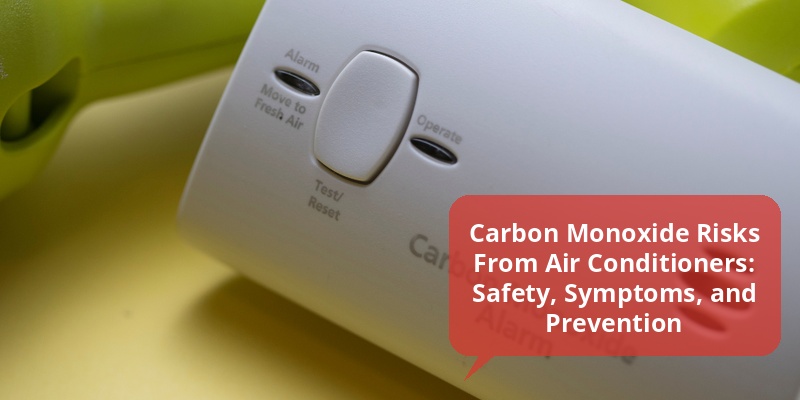
To keep your home safe from carbon monoxide, here are your best bets: Firstly, ensure you have carbon monoxide detectors installed on every level of your home, especially near sleeping areas. They are your first line of defense! Secondly, have all fuel-burning appliances – like your furnace, gas water heater, and gas oven – serviced annually by a qualified professional. They can spot and fix potential leaks or ventilation issues before they become dangerous. Thirdly, never operate portable generators indoors or too close to windows, and never leave a car running in an attached garage. By understanding the true sources of CO and taking these simple, proactive steps, you can enjoy the cool comfort of your air conditioning with absolute peace of mind.