
Can I Overpay My Credit Card To Increase Limit

Alright, gather 'round, folks! Pull up a comfy chair, grab that imaginary latte, because we're about to dive deep into one of those brilliant, slightly nutty financial ideas that probably crossed your mind at 3 AM. You know the one: "What if I just... overpay my credit card? Like, a lot. Would they be so impressed by my apparent wealth and responsibility that they'd just have to bump up my limit?"
Ah, the sweet siren song of financial wizardry! It sounds so logical, doesn't it? Like you're playing a sophisticated game of 4D chess with the bank. You envision yourself as some kind of credit card whisperer, gently coaxing a higher limit out of the universe by showering your account with extra cash. It’s the credit card equivalent of leaving an enormous tip for the barista, hoping they'll just give you free lattes for life. (Spoiler alert: they won't, but it's a nice thought.)
You’re not alone if this thought has tickled your brain. It's a common misconception, a sort of whispered urban legend among those looking for a shortcut to the credit limit holy grail. "If I show them I'm good for more than I owe," the logic goes, "they'll surely see I can handle a bigger limit!" It’s like believing if you wear a fancy suit to a job interview for a clown, they’ll just promote you to CEO instead. Bless your optimistic heart.
Must Read
So, let's cut to the chase, shall we? Can you overpay your credit card to increase your limit? In the words of every game show host delivering bad news: "Aaaand the survey says... BZZZT!"
Nope. Zilch. Nada. It’s a lovely idea, truly, but it’s about as effective as trying to inflate a balloon with a spoon. You might just end up with a slightly bent spoon and a very confused balloon.
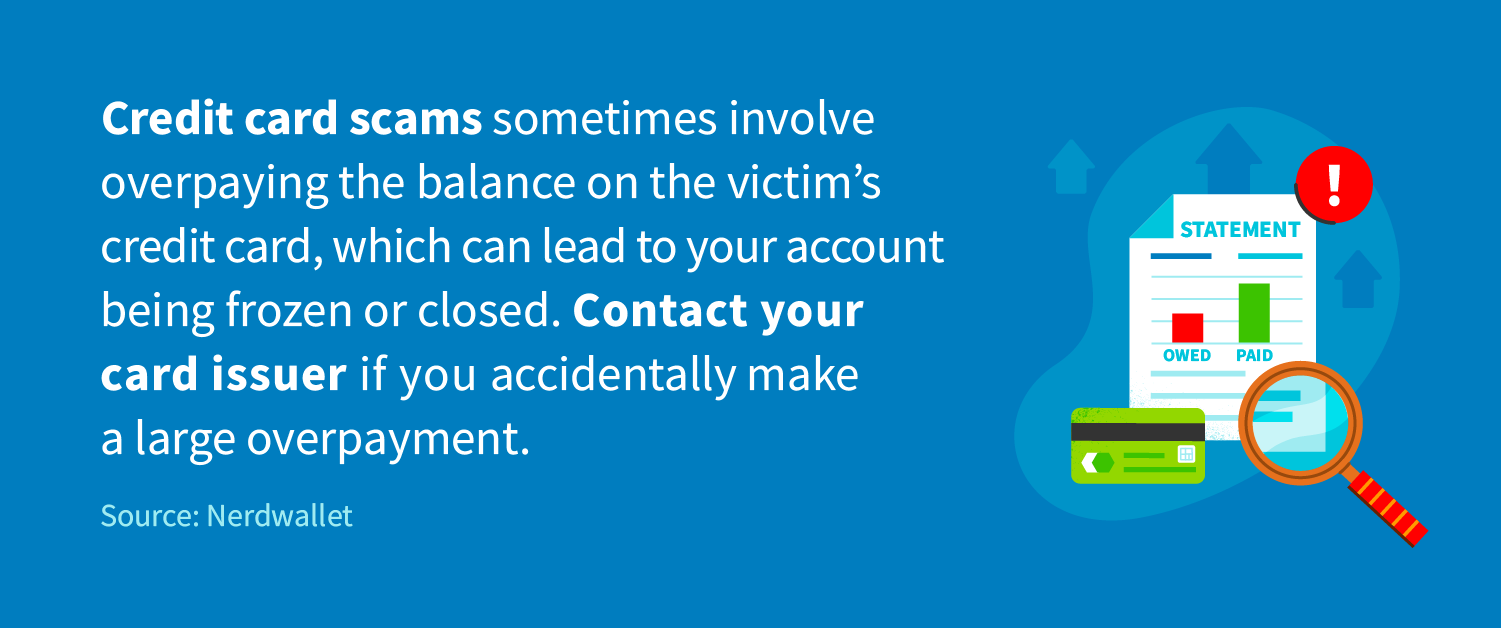
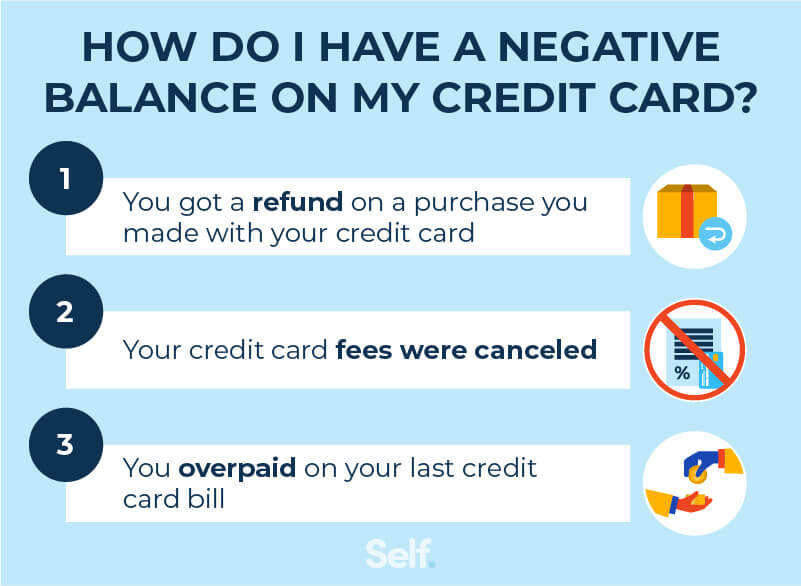
When you overpay your credit card, you're essentially creating a credit balance. This means the bank owes you money. Imagine your account goes from owing $500 to suddenly showing a -$200 balance because you sent them $700. The bank isn't thinking, "Wow, look at all that extra money! They must be incredibly trustworthy for a higher limit!" Instead, they're probably thinking, "Huh. Did someone make a mistake? Is this a refund? We should probably just hold onto this for them, or maybe send it back."
What Actually Happens When You Overpay?
Typically, a few things can happen:
First, your account will simply show a negative balance. You’ve got a credit sitting there, waiting for you to use it. It's like having a little piggy bank inside your credit card account.
Second, if that negative balance persists and is significant, some banks might actually send you a check for the overpaid amount. They don't want to hold your money indefinitely. It’s an administrative hassle for them, and let's be honest, they're not making any interest off of your money just sitting there.

Third, and most importantly for our grand experiment, it does absolutely nothing for your credit limit. The algorithms that decide your credit limit are looking at very specific metrics: your payment history, your credit utilization, your income, and the length of your credit history. "Overpaying by a random amount" is not on that list. It's not a secret code, folks!
Why Banks Don't Care (In a Good Way for You)
From the bank's perspective, an overpayment isn't a sign of enhanced creditworthiness; it's more often an accident or a misunderstanding. It doesn't tell them you're a better borrower; it just tells them you've sent them too much money. They don't gain anything from it – no interest, no fees. In fact, it costs them a tiny bit of admin time. So, if you're hoping this is some kind of secret handshake to unlock higher credit, prepare for disappointment.
Think of it this way: your credit limit is a measure of risk and your ability to repay. Overpaying doesn't change those core metrics. It's like trying to get into a fancy club by bringing extra bottled water. Nice gesture, but not on the guest list criteria.
So, What Actually Works for Increasing Your Credit Limit?
Alright, enough with the credit card voodoo. Let's talk about the boring-but-effective strategies. These aren't as dramatic as "overpay with stacks of cash," but they actually work. And trust me, your bank appreciates consistent, responsible behavior far more than your accidental generosity.
1. Pay On Time, Every Time (The Golden Rule)
This is non-negotiable. Banks want to see a flawless payment history. It's the bedrock of your creditworthiness. Missed payments scream "risky!" and will send your limit hopes plummeting faster than a lead balloon.
2. Keep Your Credit Utilization Low (The Secret Sauce)
This is huge! Your credit utilization ratio is how much credit you're using compared to your total available credit. If you have a $1,000 limit and you're consistently using $900, that looks risky, even if you pay it off. Aim to keep it below 30% – ideally even lower. This shows you have plenty of available credit but aren't relying on it heavily. It signals you're responsible and have room to spare.

3. Show Them You're Earning More (The Practical Bit)
If your income has increased, update your bank! They love to see that you have more money coming in, as it means you're more likely to handle a higher credit limit. It’s like showing your boss your improved resume – makes sense, right?
4. Time and Relationship (Patience, Young Grasshopper)
The longer you've had an account and maintained a good relationship, the more trust you build. Banks are creatures of habit and loyalty. A long, positive history with them makes them more comfortable extending you more credit.
5. Ask for It (The Bold Approach)
Sometimes, you just need to ask! After a year or so of good behavior, call your credit card company and politely request a credit limit increase. They'll review your account, and if you've followed the above tips, there's a good chance they'll say yes. Just be prepared for them to pull a hard inquiry on your credit, which might ding your score slightly temporarily.
So, there you have it. The myth of overpaying your credit card to increase your limit is well and truly busted! While it’s tempting to look for those ingenious loopholes, the truth about credit limits is far less dramatic and a lot more about good, old-fashioned financial discipline. Now, go forth and build that credit the right way – no glitter bombs or overpayments required!