
What Can Cause A Carbon Monoxide Alarm To Go Off
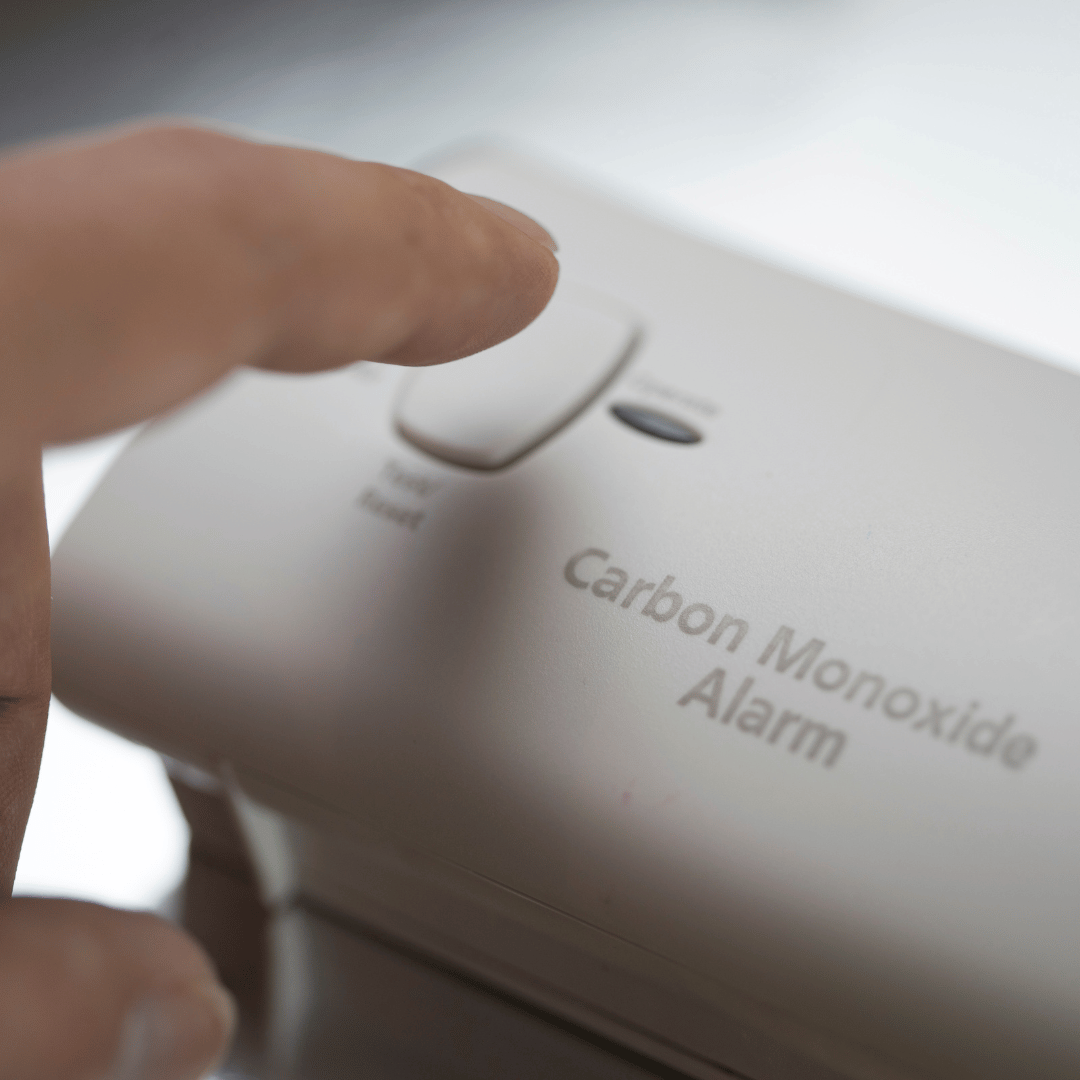
Imagine this: you're just chilling at home when suddenly, a piercing BEEP-BEEP-BEEP slices through the quiet. Your heart jumps, your mind races. What on earth was that? Oh, right. The carbon monoxide alarm. Before panic sets in, a little curiosity might ignite: what actually causes that thing to scream for attention? Let's dive into the fascinating, albeit sometimes startling, world of CO alarms and uncover the secrets behind their insistent beeps.
First off, let's talk about the star of the show: carbon monoxide, or CO for short. It's often called the "silent killer" because it's invisible, odorless, and tasteless. Sneaky, right? But here's the cool part: your alarm is like a superhero with a super-sense for something you can't even perceive! CO is produced when common fuels – like natural gas, propane, oil, wood, or charcoal – don't burn completely. Think of it like a car engine's exhaust, but inside.
The Usual Suspects: Where Does CO Come From?
So, if CO is formed by incomplete burning, what common culprits might be involved? Usually, it's things we rely on daily:
Must Read
Ever thought about your furnace? It diligently warms your home, but if its exhaust vent gets blocked or the burner isn't quite right, it could be sending CO where it shouldn't. Same goes for your water heater. These hardworking appliances are prime suspects if they're not maintained.
Then there are your kitchen pals: a gas stove or oven. While generally safe, a burner that isn't lighting properly, or using the oven to heat your house (a big no-no!), can release CO. Imagine a lazy yellow flame instead of crisp blue – that's a sign of incomplete combustion!
And let's not forget the cozy comforts. A crackling fireplace or wood stove is lovely, but if the chimney flue is clogged with creosote or a nest, the smoke (and CO) might not have anywhere to go but back into your living room. It's like a traffic jam for smoke!
Outdoor Culprits (Brought Inside)
Sometimes, the CO source isn't even in your house, but very close by. Running a car in an attached garage, even for "just a minute," is incredibly dangerous. The exhaust can quickly seep into your home.

Similarly, items designed for outdoor use, like portable generators, charcoal grills, or even propane heaters, are absolute CO factories if used indoors. Their exhaust is too potent for enclosed spaces.
The Mysterious "Backdraft"
Here's a cool tidbit: air pressure can play tricks. If your home is very tightly sealed and you have, say, a powerful kitchen fan or dryer running, it can create a slight negative pressure. This can actually pull exhaust back down your chimney or vent. It's called backdrafting, and means CO is sucked right back into your living space!
How Your Alarm Catches the Sneak
So, how does this clever little device know what's up? CO alarms contain a special sensor, often electrochemical, that reacts to the presence of CO. It's not just a simple on/off switch; it's calibrated to detect specific concentrations over specific periods. A small, brief whiff might not trigger it, but sustained exposure at a dangerous level will. It's like a watchful guard dog distinguishing a squirrel from an intruder.
Sometimes, an alarm might chirp once or twice and then go silent. This often means it detected a small, intermittent burst of CO that quickly dissipated. Maybe a furnace momentarily backfired or a car started nearby. It's the alarm saying, "I noticed something fleeting, but it's gone. Keep an eye out!"

When It Goes Off: Don't Panic, But Act Smart
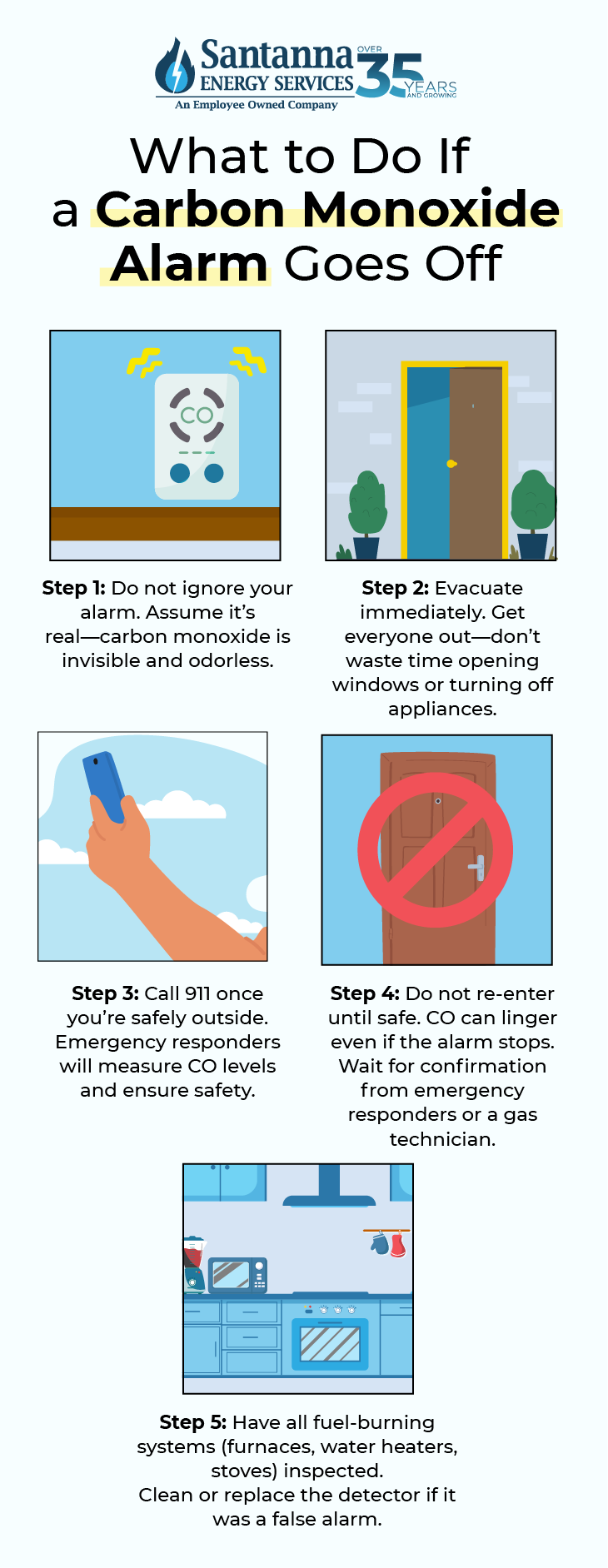
Okay, so the alarm is blaring. What's the takeaway? First, don't ignore it. While some alarms can be faulty (more on that in a sec!), it's never worth the risk. Your best bet is to ventilate the house by opening windows and doors, then get everyone outside. Call the fire department or a qualified technician. They have specialized equipment to pinpoint sources safely – your CO detectives!
The "Mystery Alarm": What If There's No Obvious Source?
Sometimes, the alarm screams, you evacuate, and the fire department finds... nothing. Cue the head-scratching! But before you think your alarm is playing tricks, consider these possibilities:
- Intermittent Leaks: A small crack in a heat exchanger might only leak CO when the furnace is running at a certain temperature, or a chimney might backdraft only under specific wind conditions.
- Neighbor's CO: Believe it or not, CO can sometimes seep from a neighbor's garage or faulty appliance into your home, especially in attached dwellings.
- Old Alarm: CO alarms don't last forever. Most have a lifespan of 5-7 years, and when they're at the end of their service, they might give "false" alarms or simply beep to let you know they're ready for retirement.
Why It's Cool to Be Curious
Understanding what makes your carbon monoxide alarm tick isn't just about safety (though that's paramount!). It's about empowering yourself with knowledge. It turns a scary, invisible threat into a solvable puzzle. It helps you appreciate the clever engineering of a device that acts as your unseen protector, constantly sniffing the air so you don't have to. So next time you hear that startling beep, remember it's not just an annoyance – it's your smart little guardian giving you a crucial heads-up. And that, in itself, is pretty awesome.