
Should A Carbon Monoxide Detector Be High Or Low

Alright, let's talk about those unsung heroes of our homes: carbon monoxide detectors. You know, those little gadgets that hum quietly in the background, keeping us safe from an invisible foe? Ever stopped to really look at yours and wonder, "Hmm, should this thing be up high like a smoke detector, or down low like... well, something else?"
It's a surprisingly common question, and honestly, a pretty cool one because it delves into a bit of everyday science. So, grab a comfy seat, maybe a cup of tea, and let's unravel this mystery together, shall we?
What's the Big Deal with Carbon Monoxide Anyway?
Before we dive into placement, let's quickly chat about what carbon monoxide (CO) is. It's often called the silent killer, and for good reason. It's a gas that's totally invisible, odorless, and tasteless. You literally won't know it's there without a detector. It's produced when fuels (like gas, oil, wood, or charcoal) don't burn completely.
Must Read
The danger? CO can quickly build up in enclosed spaces and, when inhaled, it replaces oxygen in your blood. This starves your heart, brain, and other organs of vital oxygen, leading to serious illness or even death.
Yikes, right? That's why these detectors are so incredibly important.
The Core Question: High or Low?
Okay, so back to our burning question. There's a lot of chatter out there, and some folks get CO confused with other gases they might know about. For example, smoke from a fire is hot, so it rises. Natural gas, on the other hand, is lighter than air and also tends to rise. Propane, however, is heavier than air and sinks. So, what about our sneaky friend, carbon monoxide?
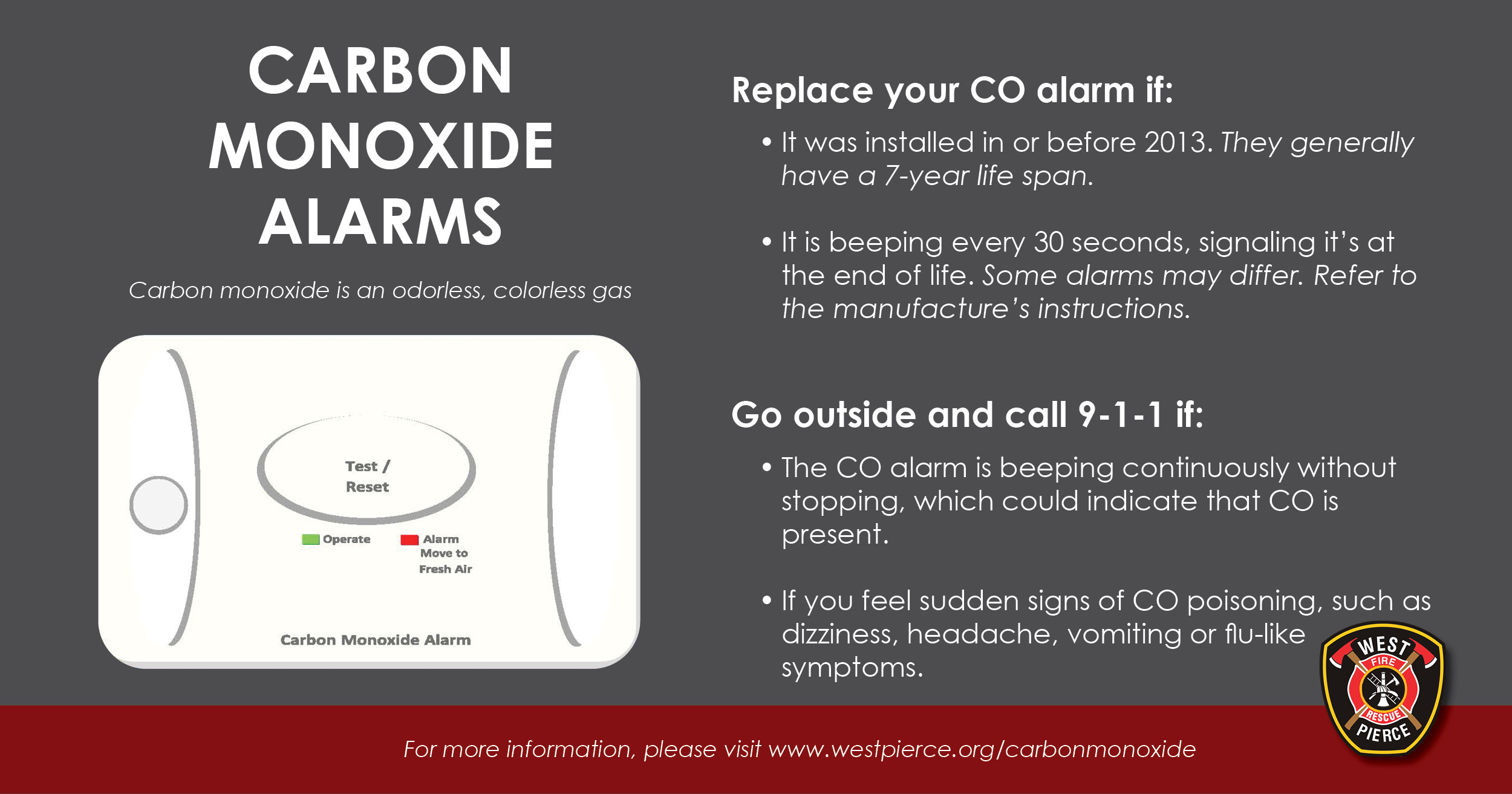
This is where it gets interesting, and a little counter-intuitive for some!
The Science Bit, Made Super Simple (with Fun Comparisons!)
Many people assume CO is heavy and sinks, or that it's light and floats to the ceiling. But here's the cool twist: carbon monoxide is actually very, very slightly lighter than air. Like, just a tiny smidge lighter. Think of it like a feather and a slightly heavier feather – they're both pretty light, but one has a minuscule edge.

However, and this is the crucial part, because the difference in weight is so small, carbon monoxide doesn't just zoom up to the ceiling and stay there, or plummet to the floor. Instead, CO mixes pretty evenly with the air in a room. Imagine pouring a drop of food coloring into a glass of water; it doesn't just sit on top or sink to the bottom, it slowly disperses and blends throughout the entire volume of water.
Or think of it like this: if you spray air freshener in a room, the scent doesn't just hang out at the ceiling. It spreads, right? That's because air is always moving around due to things like convection currents (warm air rising, cool air sinking), drafts, and just general atmospheric mixing. CO behaves similarly – it's a bit of a social butterfly among gases; it likes to mingle!
So, What's the "Sweet Spot" for Placement?
Because CO mixes fairly evenly, the exact height isn't as critically important as it is for smoke detectors (which generally need to be high) or propane detectors (which need to be low). The most important thing is that the detector is in a place where it can do its job and sense CO where people might be breathing it.

Most manufacturers and safety experts recommend installing CO detectors:
- Near sleeping areas: This is paramount. You want to be alerted if CO levels rise while you're asleep.
- On every level of your home: Especially if you have multiple floors. CO can travel!
- At "breathing level": This often means roughly chest height to eye level. If you're lying in bed, your breathing zone is lower; if you're standing, it's higher. Since CO mixes, somewhere in the middle is a good bet. Some units are designed to be plugged into wall outlets, which usually puts them at a suitable height.
- Away from direct vents of fuel-burning appliances: Placing it too close to a furnace or water heater might lead to nuisance alarms from trace amounts of CO that are safely vented.
- Not in direct sunlight or drafts: Extreme temperatures or strong air currents can sometimes affect the detector's accuracy.
The general consensus is that as long as your CO detector is installed according to the manufacturer's instructions, it will likely work effectively. They've done the rigorous testing to figure out the best placement for their specific device.
Why the Confusion? Busting the Myth!
A lot of the confusion likely stems from people mixing up carbon monoxide with other common household gases or even smoke. It's easy to assume all invisible gases behave the same way, but as we've seen, they each have their own quirks!
The key takeaway here is that while CO is slightly lighter than air, its primary characteristic in a room is that it mixes readily. So, you don't need to chase it to the ceiling or dig for it on the floor. Just make sure it's in a good, central spot where it can keep an ear out (or rather, a sensor out) for trouble.
So, there you have it! The mystery of the CO detector's placement, solved! It's less about high or low, and more about having one, placing it strategically, and making sure it's working. Pretty cool how a little bit of curiosity can lead to understanding something so vital for our safety, right?