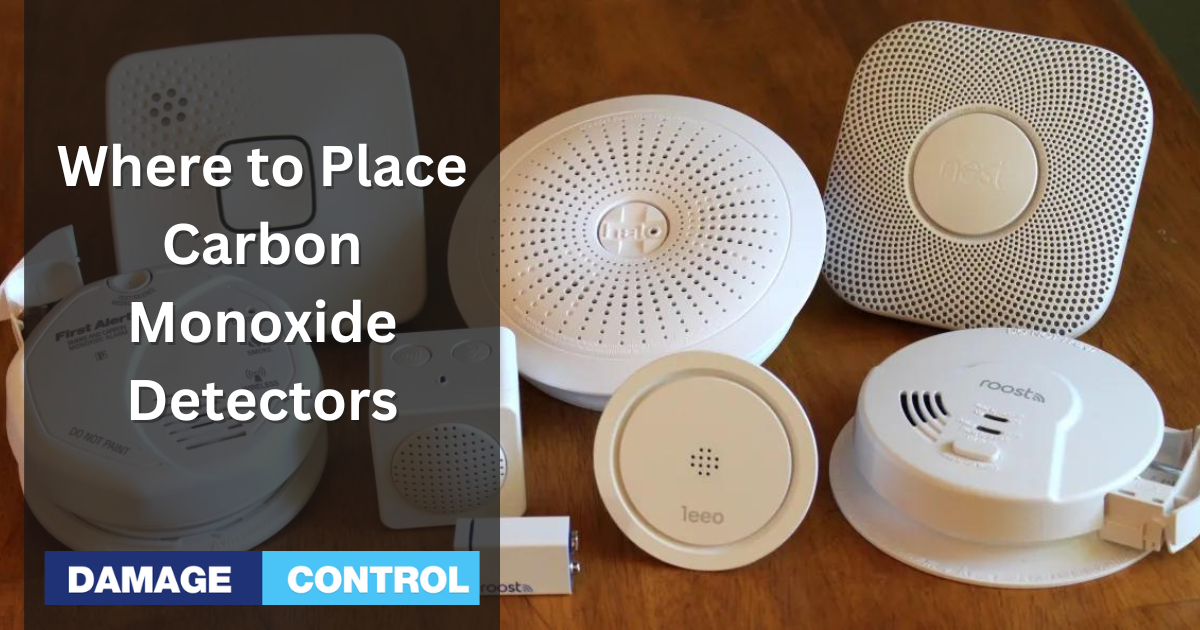
Alright, gather ‘round, folks, because we're about to dive into one of life's great mysteries that, while not as dramatic as "who stole the cookies from the cookie jar," is infinitely more important: Where in the world should your Carbon Monoxide detector live? Should it be soaring high like a majestic eagle, or lurking low like a secret agent? It’s a question that sparks lively debates at dinner tables (okay, maybe just my dinner table, but still!) and it's time to set the record straight with a big, enthusiastic TA-DA!
First, let’s quickly acknowledge our invisible villain: Carbon Monoxide, or as I like to call it, CO the Sneaky Gas. It’s odorless, colorless, and tasteless. Basically, it’s the ultimate party crasher you never see coming until it’s too late. It can sneak in from faulty furnaces, leaky chimneys, or cars left running in garages. And because it's such a master of disguise, your trusty CO detector is your very best friend, your personal superhero, your guardian angel with a really loud alarm.
The Great Float-or-Sink Debate: Busting the Myths!
Now, here’s where the fun begins. Many people have a hunch about whether Carbon Monoxide is lighter or heavier than air. Some picture it floating up to the ceiling like a rogue helium balloon, destined to tickle the light fixtures. Others imagine it sinking to the floor like a tiny, lead-footed ghost, skulking around your baseboards. It makes sense, right? Gases do that sometimes! But prepare for a delightful twist, because CO the Sneaky Gas is a bit of a maverick.
The truth about Carbon Monoxide isn't about floating or sinking; it's about mingling.
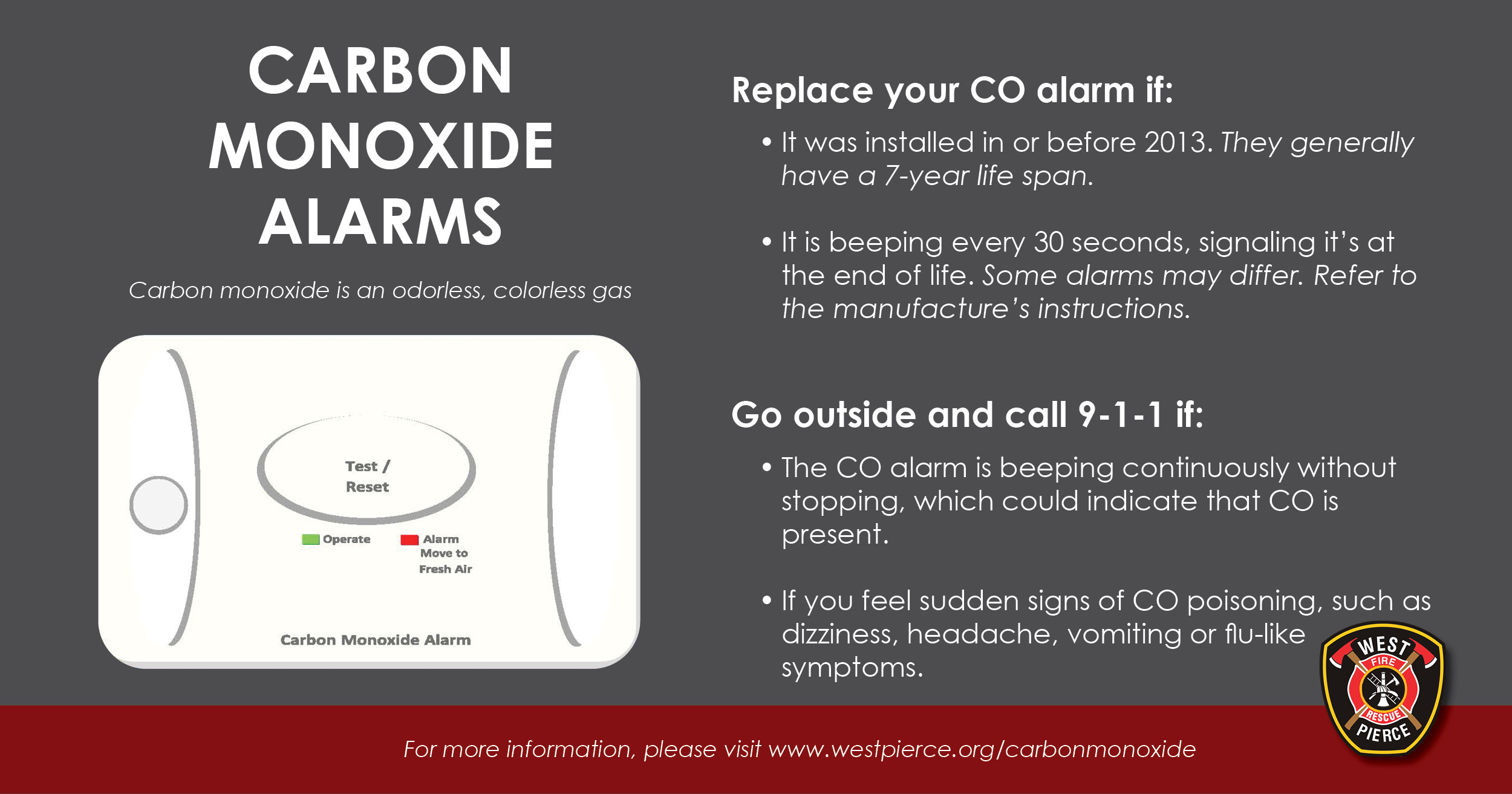
Where Should The Carbon Monoxide Alarm Be Located at Sue Alexander blog
That’s right! Carbon Monoxide has roughly the same density as ordinary air. What does this mean in plain, everyday language? It means Carbon Monoxide doesn't obediently rise or dramatically fall. Instead, it’s like a really friendly, albeit dangerous, party guest who just loves to mix and mingle! When it enters a room, it spreads out fairly evenly throughout the entire space. Think of it like a spritz of perfume in a room – it doesn't just hang out at the top or bottom; it eventually diffuses everywhere.
So, If it Mixes Evenly, Does it Even Matter Where I Put My Detector?!
Ah, excellent question, my sharp-witted friend! Since Carbon Monoxide is such a superb mixer, you might think, "Well, then, height is irrelevant! I'll just stick it wherever!" And while it's true that the gas itself doesn't have a strong preference for high or low, there are still some smart, strategic spots to place your vigilant little gadget. It’s less about where the gas goes, and more about where your detector can do its best work for you.
Should Carbon Monoxide Detectors Be Low at Carolyn Bevers blog
Here’s the golden rule, wrapped up in a bow of practicality:
Near Sleeping Areas: This is a big one! Since you're most vulnerable when you're snoozing, make sure you have a detector in or near every sleeping area. Imagine being deep in dreamland while CO the Sneaky Gas tries to crash your party. Nope! Your detector needs to be there to sound the alarm and wake you up!
On Every Level of Your Home: Don’t play favorites! If you have multiple floors, each one needs its own detector. A detector in the basement isn't going to hear the alarm if CO the Sneaky Gas is causing trouble on the second floor.
In the "Breathing Zone": While it mixes evenly, manufacturers often recommend placing detectors at chest height, or about 5 feet off the floor, or even on the ceiling. Why? Because that’s generally where you and your family are breathing. It also keeps them out of reach of little hands and curious pets, and often gives them good, unobstructed airflow.
Away from Obstacles: Keep your detector away from direct sunlight, vents, windows, and anything that might block its sensors or cause inaccurate readings. We want clear air, clear signals!
Follow the Instructions! Every detector comes with its own little rulebook. While this article gives you the general gist, always, always, always follow the specific instructions from your detector’s manufacturer. They designed it, they know best where it will be its super-sleuth self!
So, there you have it! The thrilling conclusion to our high-or-low saga is that Carbon Monoxide is an equal-opportunity gas, mixing merrily throughout your air. The most important takeaway isn't about predicting its floaty or sinky tendencies, but about simply having a detector, or even better, multiple detectors, in all the right places. Get them, install them, and test them regularly! Your guardian angels are ready to protect you, no matter if they’re high, low, or somewhere perfectly in between!