
Do You Gain Or Lose An Hour For Daylight Savings

Okay, picture this. It was a crisp Sunday morning, not too long ago, and I had big plans. A super early start to finally tackle that mountain of laundry that had been mocking me for weeks, followed by a blissful, uninterrupted cup of coffee on the porch before the kids woke up. I set my alarm, feeling smug, and drifted off to dreamland. Fast forward to what felt like five minutes later, my alarm blares, and I spring out of bed, ready to conquer the day. I head downstairs, feeling suspiciously tired, only to glance at the kitchen clock (the one that always stays stubbornly on actual time) and realize... it was an entire hour earlier than I thought. My phone had sprung forward already, but my internal clock, and my pre-set plans, were still living in the past. Talk about a rude awakening! And it got me thinking, yet again: with all this time-shifting madness, do we actually gain an hour or lose one? Or is it some kind of cosmic give-and-take?
It’s one of those perennial questions, isn’t it? Every spring and every fall, we all collectively scratch our heads and try to remember the rhyme, the rule, the reason behind the madness known as Daylight Saving Time. And let's be honest, it’s a bit of a mind-bender.
The Great Spring Forward: Where Did That Hour Go?!
Ah, the dreaded "Spring Forward." This is the one that really gets people grumbling. Usually happening in March (at least in many parts of the world), this is when we essentially say goodbye to an hour of our lives. Poof! Gone.
Must Read
You set your clocks forward an hour, typically overnight Saturday into Sunday. So, if it was 2 AM, it magically becomes 3 AM. The result?
-
Less Sleep: Yep, for most of us, it means an hour less in bed. Your body might tell you it’s 7 AM, but your clock is screaming 8 AM. It’s a bit jarring, to say the least. That first Monday back feels like walking through treacle, doesn’t it?
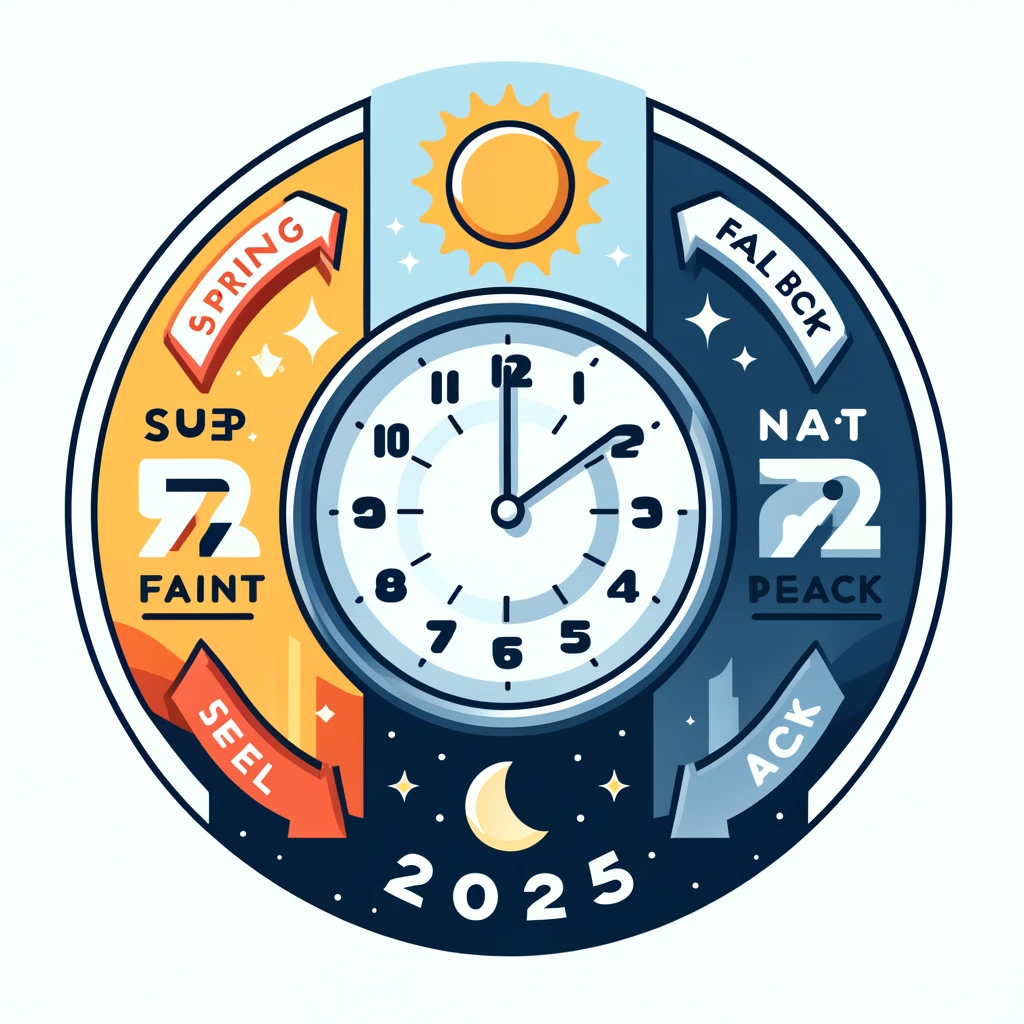
Daylight Savings 2025: Time Change & Key Facts -
Later Sunsets: The upside (or the intended upside, anyway) is that evenings get brighter, later. You get more daylight after work or school, which is lovely for outdoor activities, barbecues, or just feeling like summer is truly on its way.
So, when you "Spring Forward," you absolutely lose an hour. Don't let anyone tell you otherwise. It's a sacrifice we make for those longer, brighter evenings. Is it worth it? That's a debate for another day!

The Glorious Fall Back: Hello, Extra Sleep!
Then, like a benevolent universe granting us a reprieve, there's the "Fall Back." This usually happens in November, and it’s generally met with a collective sigh of relief (and maybe a little cheer).
This is when we turn our clocks back an hour. That 2 AM becomes 1 AM again. It’s like a time warp, but in a good way.
-
More Sleep: For many, this means an extra hour of glorious, uninterrupted sleep on Sunday morning. You wake up feeling refreshed, and it’s still earlier than you thought. A small win, wouldn't you agree?

Do You Lose An Hour During Daylight Savings at Edna Mondragon blog -
Earlier Sunsets: The trade-off here is that the sun starts setting earlier. Those cozy, dark evenings arrive sooner. While great for snuggling up with a hot drink and a good book, it can also lead to that "it's 5 PM and already pitch black" feeling, which isn't always everyone's favorite.
So, with "Fall Back," you unequivocally gain an hour. It’s the universe giving you a little something back after taking it away in the spring. See? It all balances out... sort of.

The Bottom Line: It's All About Balance (and a Little Bit of Chaos)
At the end of the day, Daylight Saving Time is a yearly cycle of time manipulation. In the spring, when you move your clocks forward, you are essentially skipping an hour, so you lose an hour. In the fall, when you move your clocks back, you are re-living an hour, so you gain an hour.
It’s really that simple, yet endlessly confusing. Especially for those of us who rely on our phones to automatically adjust, only to find our microwave clock (or that stubbornly accurate kitchen clock, in my case) laughing in our faces.
So, there you have it, my friend. Next time Daylight Saving rolls around, you’ll know exactly whether to curse the heavens for your lost sleep or embrace the extra snooze. Just remember to adjust those manual clocks, okay? Wouldn't want you showing up to that laundry marathon an hour early like I did!