When Did Electricity Become Common In U.s. Homes
Ever flick a light switch without a second thought? Or charge your phone, brew coffee, or even just run a fan on a hot day? We take electricity for granted, don't we? It’s truly amazing to think about a time not so long ago when U.S. homes were dark after dusk, heated by fire, and cleaned by sheer elbow grease. Unpacking when exactly our homes became electrified isn't just a historical footnote; it’s a fascinating journey into how our daily lives were utterly transformed, offering a fun glimpse into the ingenuity and gradual shifts that brought us modern comfort.
At its heart, the purpose of bringing electricity into homes was simple: to make life easier, cleaner, and safer. Gone were the days of smoky kerosene lamps, flickering candles, and the constant fire risk they posed. Electricity offered bright, steady illumination, revolutionizing evening activities. Beyond light, it powered heating and cooling, made cooking more efficient, and perhaps most significantly, gave rise to a whole new world of labor-saving devices. Imagine the sheer relief of not having to scrub clothes by hand in a tub, or beat rugs outdoors! The benefits were immense: increased hygiene, more leisure time, and a tangible improvement in quality of life.
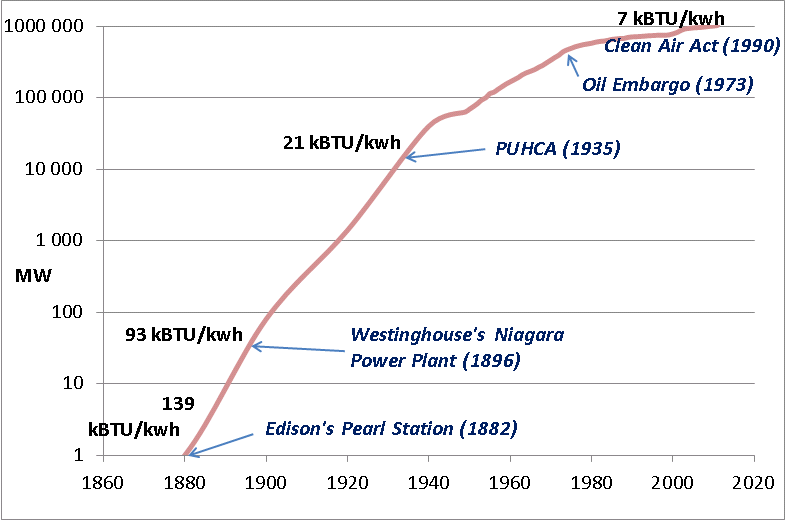
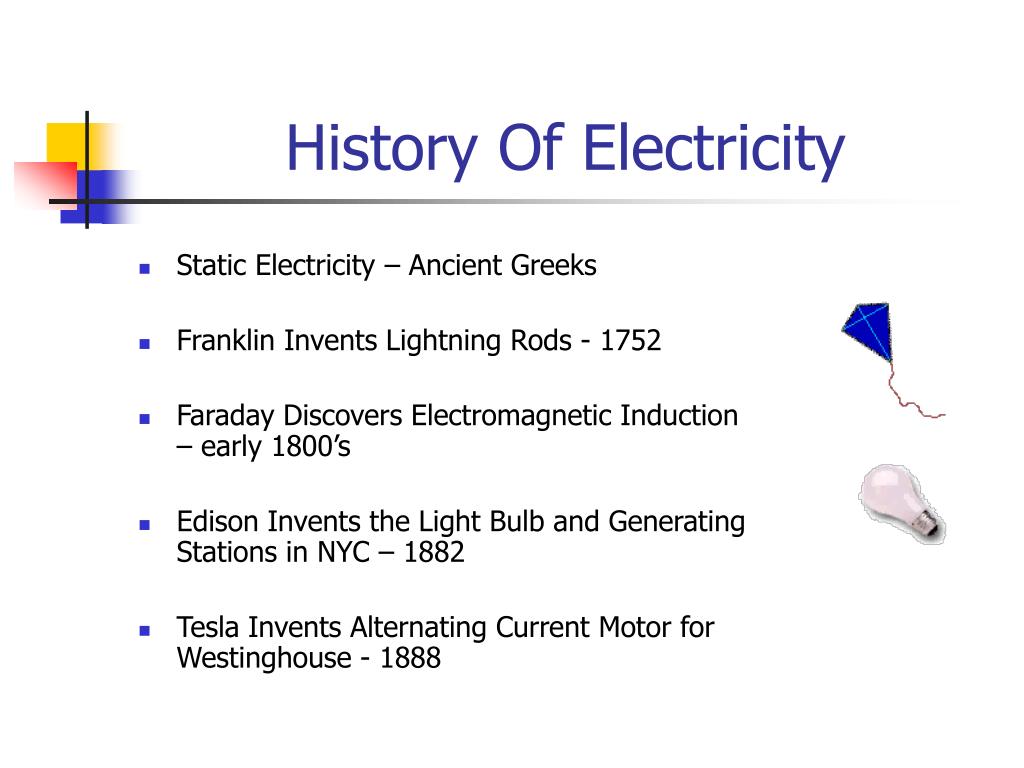
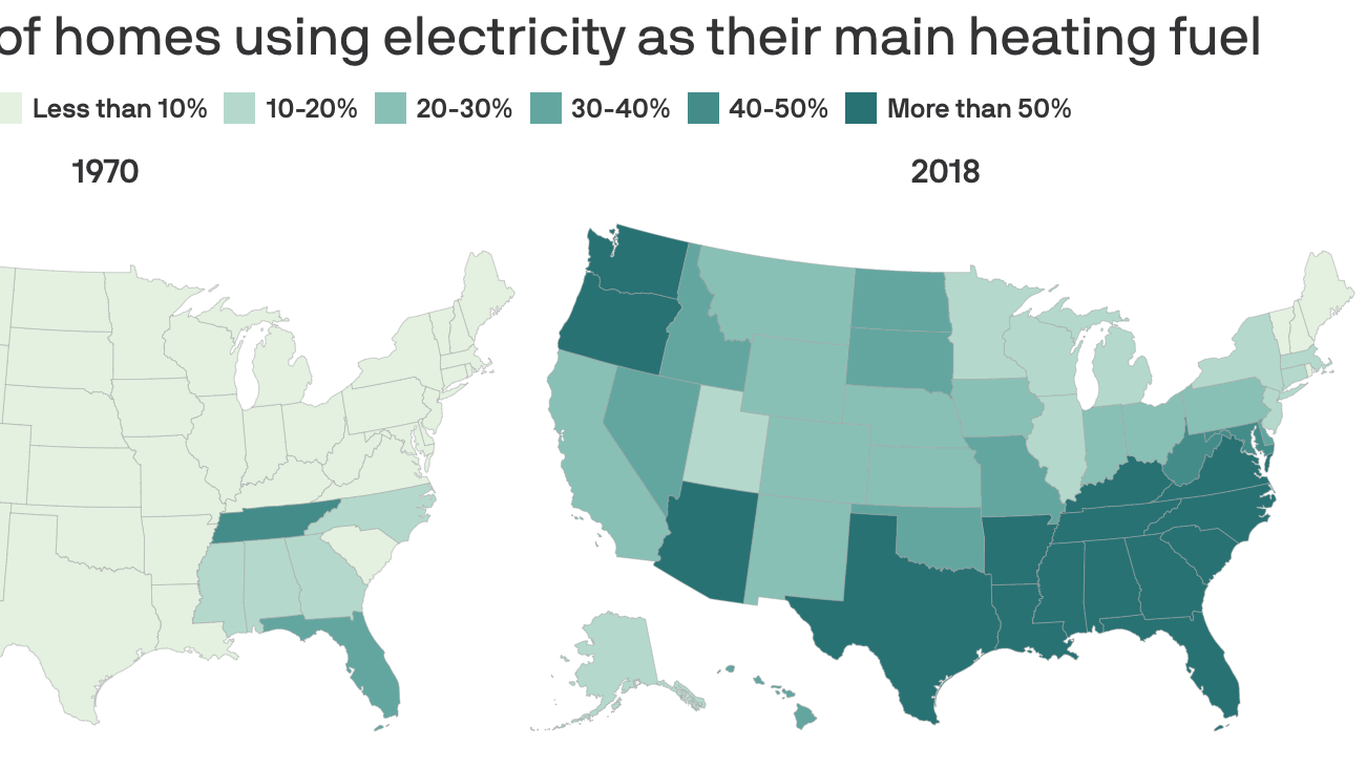
So, when did this magical transformation really take hold? It wasn't an overnight flick of a national switch. While inventors like Edison were lighting up select areas in the late 19th century, electricity’s widespread adoption in U.S. homes truly gained momentum in the early 20th century, particularly accelerating after World War I. By the 1930s, around half of all homes in urban areas had electricity, a figure that soared after World War II, when prosperity and the expansion of rural electrification programs (like the Rural Electrification Administration, or REA) brought power to nearly every corner of the nation. It was a gradual process, moving from luxury to necessity within a few decades.
Must Read
The impact on our daily lives, even today, is undeniable. In education, electricity powers our computers, projectors, and the internet itself, opening up vast archives of knowledge and enabling remote learning. In our homes, it’s the quiet hum of the refrigerator, the flash of the microwave, the entertainment from our TVs, and the convenience of charging every gadget imaginable. These aren't just modern amenities; they are the direct descendants of those first electrical connections.
Curious to explore this history further? Here are a few simple ways! First, visit a local historical society or museum; many have period rooms that vividly show what homes looked like before and during the early electrification era. Notice the lack of outlets, the different light fixtures, and the array of hand-powered tools. Secondly, chat with grandparents or elderly neighbors about their childhood homes – they might have fascinating firsthand accounts of getting electricity for the first time, or stories of life without it. Finally, if you dare, try living for an hour or two without turning on any electric lights or appliances (safely, of course, during daylight!) – it’s a surprisingly illuminating way to appreciate the profound convenience we often overlook.