
Why Would Smoke Detectors Go Off For No Reason

Ah, the smoke detector. That trusty, albeit dramatic, guardian of our homes. One moment you're blissfully scrolling through cat videos, the next, a banshee shriek rips through your peaceful abode, sending your heart racing.
You leap up, frantically scanning for flames, only to find... nothing. Just your perfectly unburnt toast, or perhaps the lingering scent of last night's takeout. What gives? Why does this vigilant sentinel decide to throw a fit for seemingly no reason at all?
The Case of the Mysterious Alarm: It's Not Always a Fire, But It's Always a Reason!
Let's be real, a smoke detector isn't just an attention-seeker. It's built to detect particles in the air that resemble smoke. Sometimes, these particles are indeed smoke, but other times, they're just excellent imposters.
Must Read
Think of it as a super-sensitive, highly enthusiastic guard dog. It barks at the mailman, the squirrel, and yes, sometimes even a rogue leaf. It's doing its job, just with a little extra zeal.
Culprit #1: The Kitchen Calamity (Even When There's No Actual Calamity)
The kitchen is often ground zero for these dramatic performances. Your smoke detector is trying its best to protect you, but it sometimes gets a little overzealous with your culinary adventures.
Take, for instance, the humble piece of toast. One minute it's golden brown, the next it's a charcoal briquette, thanks to a moment of distraction. Even a slight darkening can release enough microscopic particles to trigger the alarm.
Burnt toast is the undisputed heavyweight champion of false alarms. It’s like the smoke detector’s arch-nemesis, always ready for a showdown.
But it's not just the toast. High-heat cooking, like searing a steak to perfection or whipping up a sizzling stir-fry, can create plenty of innocent fumes. These tiny droplets of cooking oil can dance into the detector's chamber, tricking it into thinking there's a five-alarm blaze.
Ever boiled a pot of pasta with gusto? That innocent steam, especially if the detector is nearby, can easily set off the alarm. It's not smoke, but the detector sees particles, and its programming says: "Alert! Alert! Possible danger!"
Even the gentle waft from a particularly aromatic spice can sometimes be enough. The air around your stove is a bustling highway of particles, and your detector is just trying to flag down anything suspicious.
These cooking adventures, while delicious, are particle-generating machines. Your smoke detector is simply reacting to the tiny, invisible byproducts of your culinary genius.
So, before you blame a faulty device, consider if your masterpiece in the oven or your sizzling stir-fry might have been a bit too dramatic for its sensitive sensors.
Culprit #2: The Dust Bunny Conspiracy & Tiny Tenant Takeovers
Our homes, bless them, are havens for dust. Over time, those sneaky dust bunnies don't just hang out under the sofa; they can accumulate inside your smoke detector's sensing chamber.
Imagine a tiny, optical smoke detector chamber. A thick layer of dust can interfere with its light beam, mimicking the scattering effect of smoke particles. It’s essentially a phantom cloud.
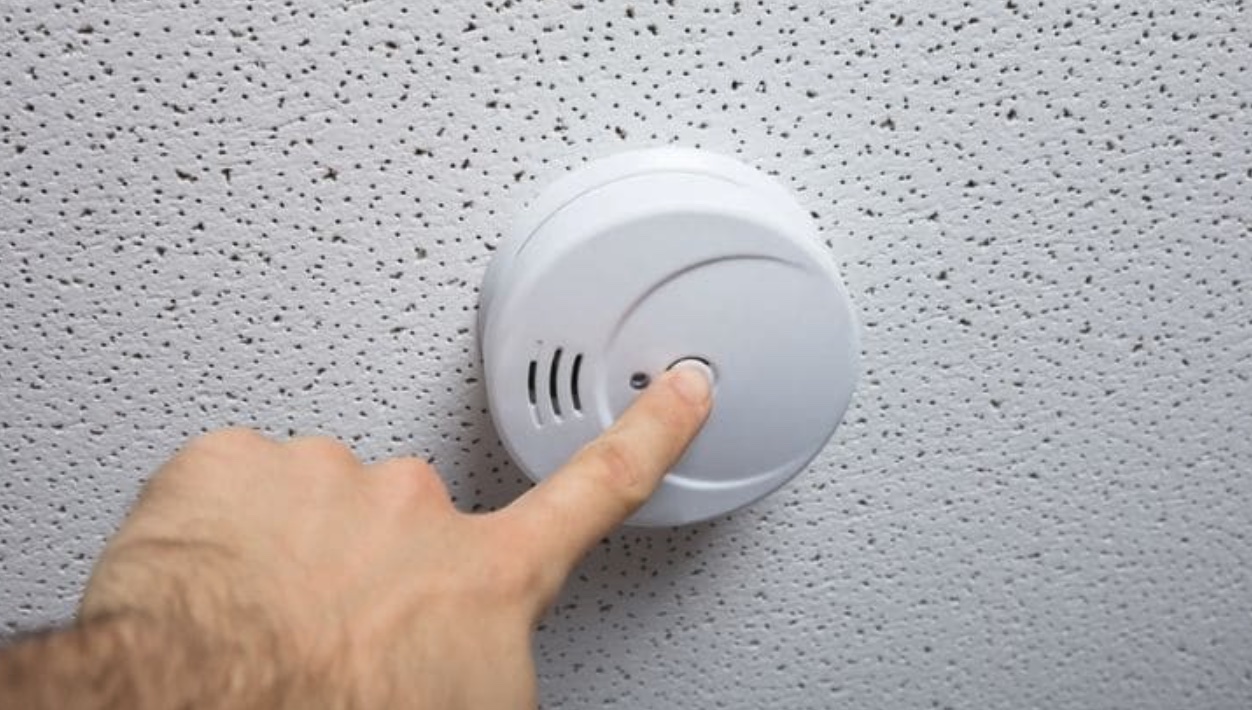
A dirty detector is a grumpy detector, prone to false accusations.
And then there are the incredibly rude, uninvited guests: insects! A tiny spider spinning a web inside, or a curious fruit fly buzzing around, can interrupt the detector's light sensor. To the detector, this sudden obstruction looks just like, you guessed it, smoke.
It's an honest mistake on the detector's part. It's just trying to do its job, but these tiny interlopers are making it see things that aren't there. A quick, gentle vacuuming can often solve this bug problem.
These tiny invaders and dust particles are just enough to confuse the detector's delicate internal mechanisms. It's like having a pebble in your shoe – annoying, but easily fixed!
A regular, gentle cleaning of your smoke detectors can keep them in tip-top shape and prevent these tiny saboteurs from causing unnecessary chaos.
Culprit #3: Steam & Humidity's Sneaky Side Hustle
Remember that pasta steam? Well, it has a bigger, more dramatic cousin: shower steam. If your smoke detector is located too close to a bathroom, especially one with a powerful shower, prepare for some theatrical moments.
Hot, steamy showers release a torrent of water vapor into the air. These microscopic water droplets behave much like smoke particles when they enter the detector's chamber. The alarm is simply reacting to what it perceives as a threat.
That long, hot shower might feel amazing, but your smoke detector might just think you're having a mini-sauna fire party.
Even a vigorous humidifier running in a bedroom can sometimes cause a false alarm. It's all about the density of airborne particles. When the air gets thick with moisture, the detector gets confused.
This is why placement is so critical. A smoke detector near a bathroom vent or directly in the path of shower steam is practically begging for a dramatic announcement at the most inconvenient times.
The detector's primary job is to find airborne particles. When steam or high humidity fills the air with water droplets, it effectively creates a "fog" that looks suspiciously like smoke to the detector.
So, next time the alarm blares after your morning routine, don't fret. It's likely just reacting to your sparkling clean self and the resulting cloud of innocent moisture.

Culprit #4: The Chemical Cocktail Catastrophe (Aerosols & Fumes)
Our daily routines involve a surprising amount of aerosolized products. Think hairspray, deodorant, air fresheners, or even bug spray. These products release a fine mist of particles into the air.
Guess what? Your smoke detector, ever vigilant, can mistake these tiny chemical particles for smoke. A quick spritz near the detector can lead to a full-blown emergency concert.
A blast of your favorite hairspray can turn your bathroom into a sudden danger zone, according to your smoke detector.
Strong cleaning products, especially those with harsh fumes, can also trigger an alarm. The volatile organic compounds (VOCs) released can be sensed by some detectors as potential smoke indicators.
Even painting projects, even with low-VOC paints, can sometimes release enough particles or fumes to set off a sensitive detector. It's a reminder of just how nuanced and reactive these devices are.
These airborne chemicals, innocent as they may be to us, are foreign particles in the detector's sensing chamber. Its job is to detect anything that shouldn't be there, and these definitely aren't "normal air."
So, if you've just finished a vigorous cleaning spree or gotten ready for a night out, and the alarm sounds, consider the invisible clouds of product you might have released into the air.
Culprit #5: The Battery's Last Gasp (The Infamous 3 AM Chirp)
This isn't quite the full-blown alarm, but it's arguably more annoying: the low battery chirp. It's a small, insistent, maddening peep that always, always, seems to happen in the dead of night.
Your smoke detector has an internal battery (even if it's hardwired) that keeps it functioning or serves as a backup. When this battery starts to wane, the detector sends out a periodic warning signal.
That agonizing chirp every minute isn't an alarm, it's a desperate plea for a fresh battery, usually at the most ungodly hour.
Why 3 AM? It's often because batteries lose a tiny bit of power when the temperature drops, which typically happens overnight. That slight dip is just enough to push a dying battery over the edge, initiating its mournful cry.
So, when you hear that intermittent chirp, it's not a ghost; it's just your smoke detector begging for a new power source. Treat it kindly, and silence will return.
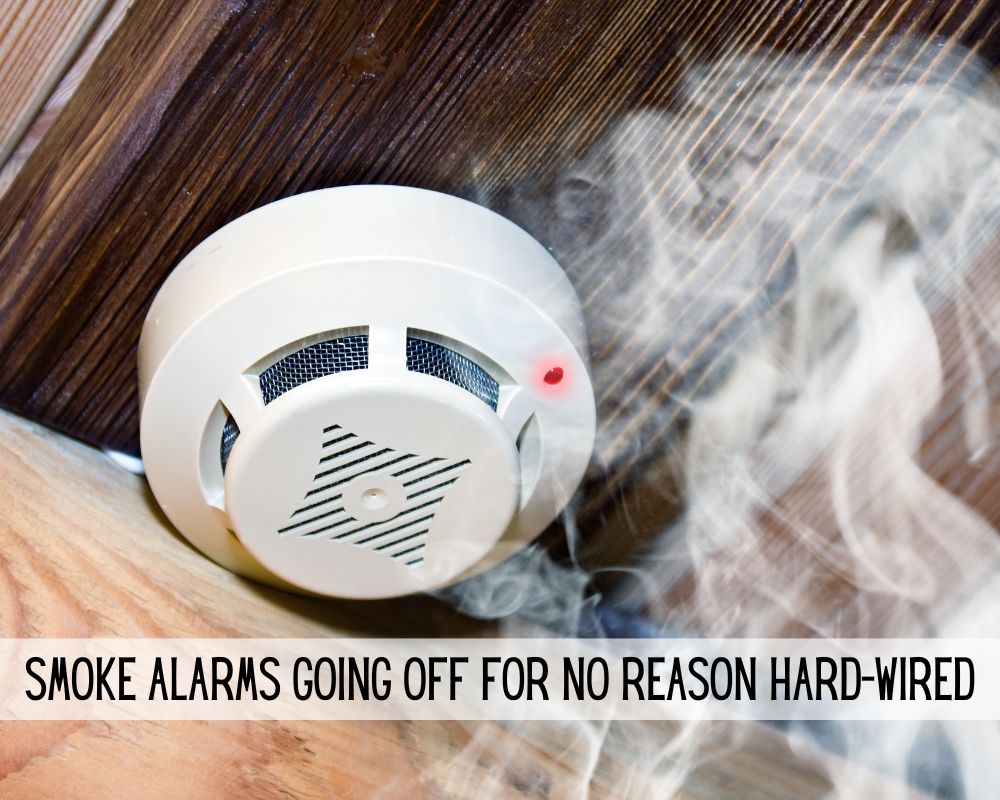
This little noise is actually a lifesaver, ensuring you replace the battery before the detector goes completely silent. It's an alarm for the alarm!
Make it a habit to change your smoke detector batteries twice a year, perhaps when you change your clocks for daylight saving. This simple act can save you from those jarring midnight wake-up calls.
Culprit #6: The Aging Appliance (Detectors Don't Last Forever!)
Like all electronics, smoke detectors have a lifespan. They're not designed to protect your home indefinitely. Over time, their internal components can degrade, leading to increased sensitivity or outright malfunction.
The sensors, which are the heart of the detector, can become less accurate over a decade of dutiful service. This can lead them to misinterpret normal environmental particles as smoke.
Most manufacturers recommend replacing your smoke detectors every 10 years. Check the back for the expiration date! It's like a superhero losing its powers.
An old detector might start to give off false alarms more frequently, or worse, it might become sluggish and fail to detect a real fire. They really do get a bit senile in their old age.
So, if your detector is constantly sounding off for "no reason," and it's nearing or past its tenth birthday, it might just be time to say goodbye and welcome a shiny new guardian.
Think of it as gracefully retiring your loyal protector. A new detector brings fresh sensors and reliable performance, ensuring your family's continued safety.
Don't ignore consistent false alarms from an older unit. It's a strong hint that its time has come, and a new model is a wise investment in peace of mind.
Culprit #7: Location, Location, Location (It Really Matters!)
Sometimes, the problem isn't the detector itself, but where it's decided to set up shop. Improper placement is a huge contributor to those head-scratching false alarms.
As we've discussed, putting a smoke detector directly above your stove or too close to a steamy bathroom is like giving it an open invitation to scream at absolutely nothing.

Don't put your detector directly in the path of cooking fumes or shower steam, unless you enjoy impromptu dance parties with fire alarms.
Also, placing a detector too close to a window or an air vent can expose it to drafts carrying dust, pollen, or even exhaust fumes from outside. These can all be mistaken for smoke.
Think about airflow and common sources of non-smoke particles when deciding where to install these vital safety devices. A little planning goes a long way in preventing future headaches.
Ideally, smoke detectors should be placed at least 10 feet away from cooking appliances and away from direct drafts. This minimizes exposure to non-fire related particles.
A well-placed detector is a happy, quiet detector, reserving its dramatic flair for when it's truly needed. Take a moment to assess if your detectors are in the best possible spots.
The Enthusiastic Guardian: Embracing the Over-Dramatics for Safety's Sake
So, the next time your smoke detector goes off for what seems like absolutely no reason, take a deep breath (after checking for actual flames, of course!). It's not out to get you; it's just doing its best.
It might be an overzealous guardian, a bit sensitive to the everyday hustle and bustle of your home. But wouldn't you rather have a detector that's a little too eager than one that's too sleepy?
Every false alarm is a reminder that your device is functioning. It's a test run, an unplanned drill, a loud affirmation that should a real emergency arise, your faithful sentinel is awake and ready to scream.
So, give your smoke detector a nod of appreciation. Maybe a gentle dusting. And definitely a fresh battery when it starts its late-night serenade. It’s working hard to keep you safe, even if it sometimes needs a bit of a reality check.
Remember, a little knowledge goes a long way. Now you’re armed with the secrets behind those mysterious shrieks. Go forth and enjoy your unburnt toast, knowing your home’s dramatic bodyguard is always on duty!
They might be noisy divas, but they're your noisy divas, dedicated to protecting what matters most. Embrace their quirks and appreciate their tireless vigilance.