Do You Have To Have A Carbon Monoxide Detector

Ah, the sweet symphony of home! The gentle hum of the furnace on a chilly evening, the comforting flicker of a gas fireplace, the steaming warmth of a hot shower after a long day. These are the small luxuries that make our living spaces truly ours, providing a sense of comfort and security. But tucked away in the background, an often-overlooked yet profoundly important guardian ensures these joys remain just that – joys, not potential dangers.
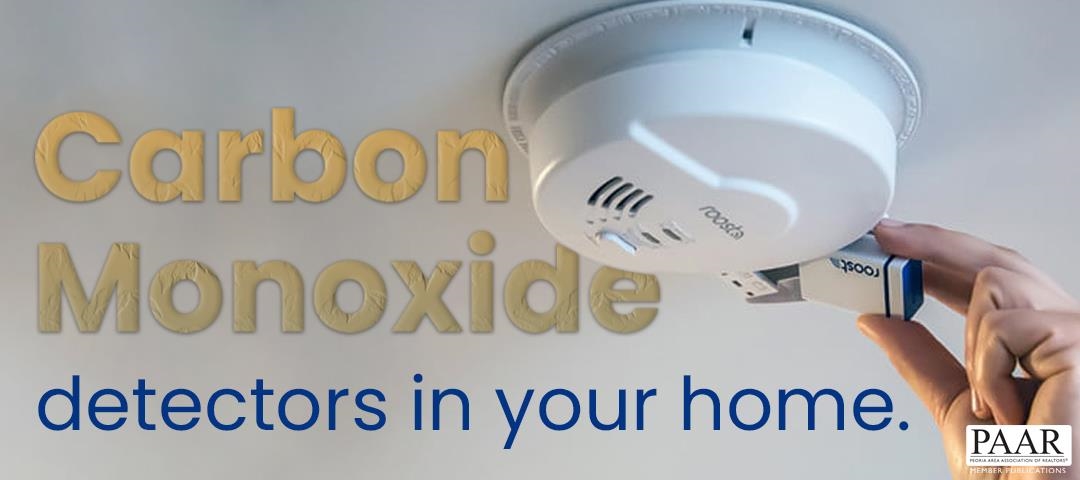
Enter the unsung hero of home safety: the carbon monoxide detector. It’s not flashy, it doesn't offer instant gratification, but it provides something far more valuable: peace of mind. Much like locking your doors or checking your smoke alarms, having a CO detector is a proactive step in protecting your sanctuary and, more importantly, the people within it.
So, what exactly is this silent threat it guards against? Carbon monoxide, or CO, is often called the "silent killer" for a chilling reason: you can't see it, you can't smell it, and you can't taste it. It's a poisonous gas produced when fuels like natural gas, propane, oil, kerosene, wood, or charcoal don't burn completely. Common culprits in the home include faulty furnaces, leaky water heaters, clogged chimneys, gas stoves, or even cars left running in an attached garage. Inhaling too much CO replaces the oxygen in your blood, leading to dizziness, headaches, nausea, confusion, and, alarmingly quickly, unconsciousness and death. It truly is an invisible menace, and that’s where our vigilant detector steps in.
Must Read
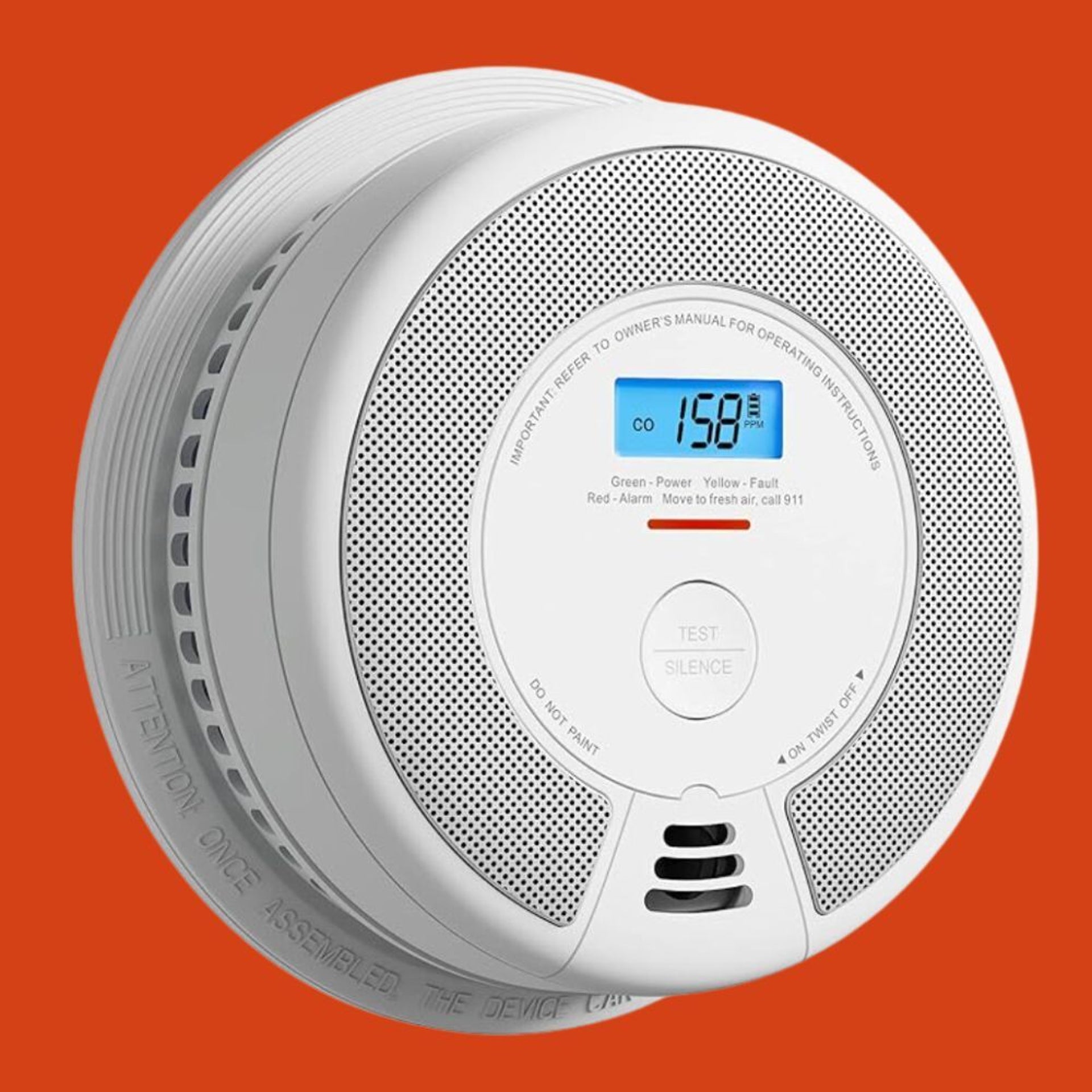
The primary benefit and purpose of a CO detector are simple yet life-saving: it's an early warning system. While you're enjoying your home, perhaps deep in sleep, it’s constantly sniffing the air for dangerous levels of CO, ready to blast an alarm long before you or your loved ones feel any symptoms. It’s like having a tiny, ever-alert sentinel safeguarding against a threat you can't detect with your own senses, allowing you crucial time to evacuate and seek fresh air.
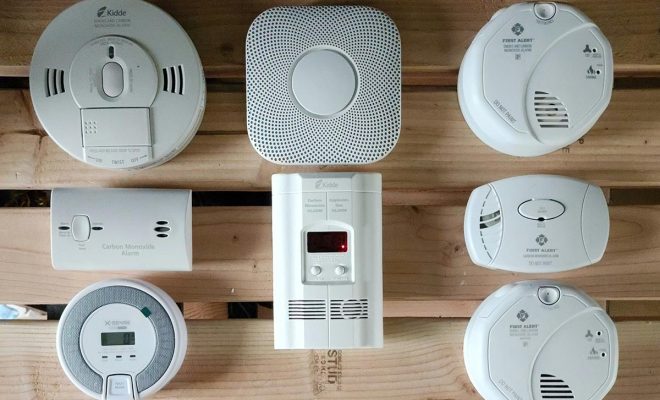
So, where do these guardians stand their ground? The general rule of thumb is to install CO detectors on every level of your home, especially near sleeping areas. Think outside bedrooms, in hallways leading to them, and in areas with fuel-burning appliances like your furnace or water heater. For maximum protection, consider placing them in common living areas too. Many modern homes also benefit from combination smoke and CO detectors, offering dual protection in one discreet unit.

Making the most of your CO detector is simple but crucial. First, test it monthly. Most units have a 'test' button – a quick press confirms it's still alive and kicking. If your unit is battery-powered, swap those batteries out at least once a year, perhaps when you change your clocks for daylight saving time. But here’s a crucial tip many miss: CO detectors aren't forever. They have a lifespan, typically 5-7 years. Check the expiration date on the back of your unit and replace it proactively. An expired detector is like a superhero on vacation – not much help when danger strikes! Finally, if the alarm ever sounds, don't ignore it. Evacuate immediately, call your emergency services, and only re-enter your home once it's deemed safe by professionals.
Investing in CO detectors isn't about fear; it's about smart preparation and genuine peace of mind. It's about knowing that while you're enjoying the warmth and comfort of your home, a dedicated sentinel is safeguarding your most precious asset: your family. So go ahead, enjoy that crackling fire, take that long, hot shower. Your silent guardian has got your back.