
Why Would A Smoke Detector Go Off With No Smoke

We've all been there, right? You're chilling on the couch, maybe lost in a good book or scrolling through cat videos, when suddenly – BEEP! BEEP! BEEP! – your smoke detector decides it's time for an impromptu alarm party. Your heart jumps, you scramble, you sniff the air... and there's nothing. No smoke, no flames, just that irritating, insistent chirp. It's enough to make you want to throw a shoe at the ceiling!
It's totally understandable to feel annoyed when this happens. It's loud, disruptive, and often feels like your little guardian angel is just being a drama queen. But before you start plotting its untimely demise, let's take a peek behind the curtain and understand why these sensitive sentinels sometimes cry wolf. Because, believe it or not, these "false alarms" often mean your detector is actually doing its job – sometimes a little too well!
The Drama Queen's Suspect List: What Sets Off Your Detector?
Think of your smoke detector as that super vigilant, slightly overprotective friend. It sees a tiny speck of dust as a looming threat and a wisp of steam as a full-blown fog machine. Here are some common culprits:
Must Read
1. Dust Bunnies and Creepy Crawlies: The Uninvited Guests
Imagine your smoke detector has a very sensitive "eye" or "nose" always scanning for particles in the air. Now, picture a tiny dust bunny, fresh from its adventures under the sofa, wafting innocently past. To your detector, that little fluff ball can look like a looming cloud of smoke! The same goes for tiny insects – a misguided spider or a curious gnat can sometimes interrupt the detector's sensor, making it think there's a problem. It's like accidentally stepping on a tripwire! A quick clean with a vacuum or a blast of compressed air can often solve this.
2. Steam and Humidity: The Shower Scene Blunder
Ever taken a super hot, steamy shower and then opened the bathroom door to a cloud so thick you could cut it with a knife? If your smoke detector is anywhere near that misty escape, it's going to react! Steam, especially from a long hot shower, boiling pasta, or even opening a steamy dishwasher, creates a dense concentration of water particles in the air. Your detector, bless its heart, often can't tell the difference between these innocent vapor particles and dangerous smoke particles. It's just doing its best, even if it means mistaking your relaxing bath for an emergency!
3. Culinary Catastrophes: The Burnt Toast Saga
Ah, the classic. That moment you leave your toast in for "just a little longer" and it emerges looking like a charcoal briquette. Or when your popcorn goes from fluffy delight to a smoky disaster. Cooking, especially anything that produces a bit of char, sizzle, or even just strong fumes, can release tiny particles into the air that resemble smoke. Your detector doesn't know you just tried to create a new scientific element in your toaster; it just knows there are particles, and it's sounding the alarm! This is why kitchen detectors often have a "hush" button – a temporary mute for those minor culinary mishaps.
4. Chemical Fumes and Strong Scents: The Perfume Paradox
This one's a bit less common but still worth noting. Certain strong aerosols or chemical fumes can sometimes trigger detectors. Think about a really powerful hairspray, heavy-duty cleaning products, or even a very strong paint smell. These can disperse tiny chemical particles into the air that confuse your detector. It's like walking into a perfume shop and accidentally setting off an allergy attack – the detector just isn't designed to handle those intense airborne elements.

5. Dying Batteries and Old Age: The Grumpy Guardian
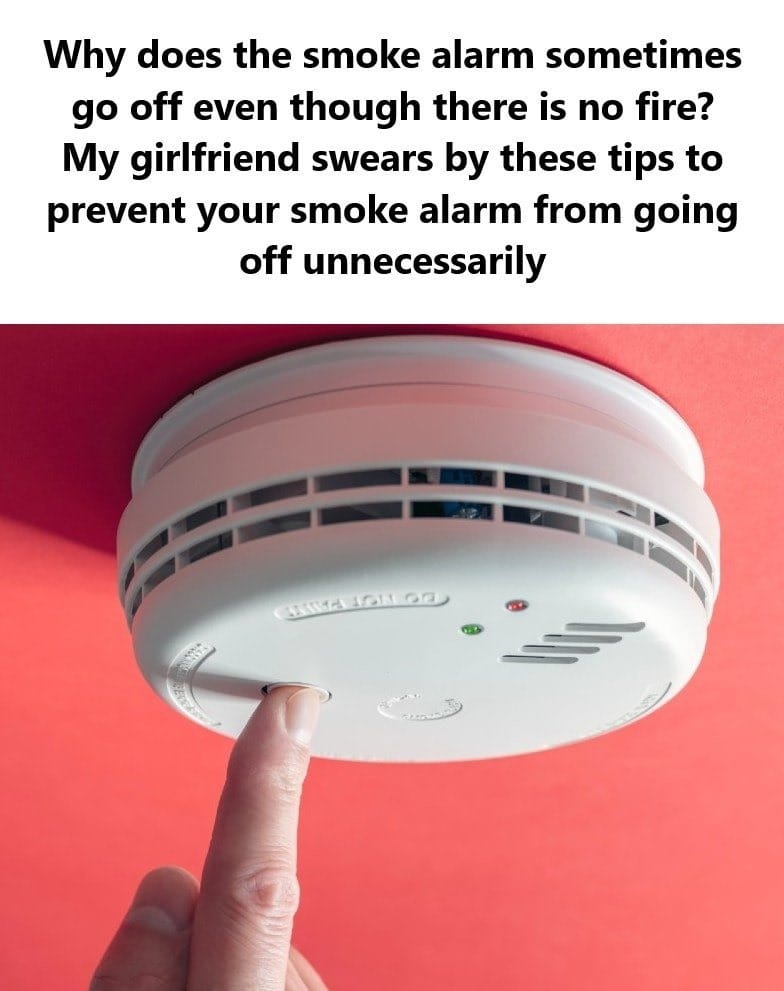
Sometimes, your smoke detector isn't detecting anything at all; it's just letting you know it's tired. That sporadic, often middle-of-the-night chirp is almost always a sign of a low battery. It's its polite (but incredibly annoying) way of saying, "Hey! I need some juice to keep protecting you!" Furthermore, smoke detectors don't last forever. They have a lifespan, usually around 10 years. After a decade, their sensors can become less reliable, or simply wear out, leading to false alarms or, worse, failure to detect real smoke. Think of it as a grumpy old man who just needs to retire.
Why Should We Care? Because It's a Practice Drill!
So, why bother understanding all this when you just want the beeping to stop? Here's the fun part: every time your smoke detector goes off without actual smoke, it's essentially giving you a free safety drill! It reminds you that it's awake, alert, and ready to protect you. It's a gentle (or not-so-gentle) nudge that says, "Hey, remember me? I'm still here, watching out for you!"
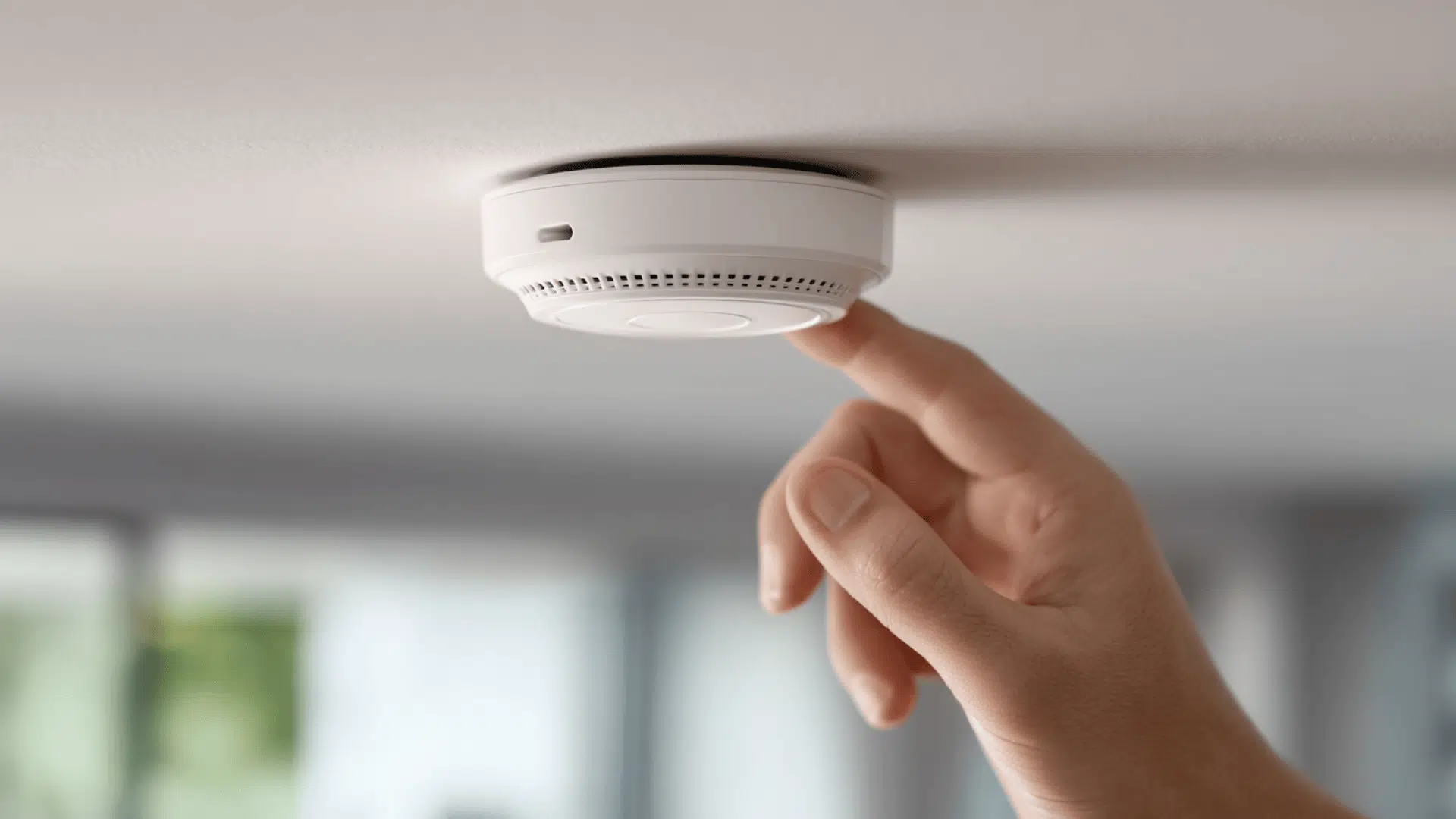
These "false alarms" prove that your detector is functional. It means the sensitive sensors are working! Rather than getting mad, take a deep breath, and remember that this little device is your first line of defense against something truly catastrophic. It's a small price to pay for the peace of mind knowing it's standing guard.
So, next time it goes off:
- Check the batteries: If it's a sporadic chirp, swap them out!
- Give it a clean: A quick vacuum to clear out dust and cobwebs can work wonders.
- Consider its location: Is it too close to the bathroom or kitchen? Maybe it needs a slight repositioning.
- Know its age: If it's over 10 years old, it's time for a replacement. Seriously, it's a small investment for huge safety.
Your smoke detector might be a bit of a drama queen sometimes, but it's your drama queen, dedicated to keeping you and your loved ones safe. So, let's appreciate its overzealous nature and ensure it's always ready for the real thing. Stay safe, and happy (non-smoky) living!
