
Can You Be On The Beach During A Thunderstorm

Picture this: You’re finally there. Toes in the sand, the gentle lull of the waves, a good book, maybe an ice cream cone slowly melting in the sunshine. Life is good. Then, out of nowhere, the sky starts to rumble. Dark clouds roll in like an uninvited guest, and that distant growl suddenly sounds a whole lot closer. What’s your move?
The big question hangs in the salty air: Can you stay on the beach during a thunderstorm?
The Short Answer (Spoiler Alert: It’s a Big No!)
Let's cut right to the chase, my friend. While it might be tempting to "just wait it out" or think you're safe under that big beach umbrella, the honest-to-goodness, no-kidding answer is: absolutely not. When thunder roars, you need to head indoors. Pronto!
Must Read
Think of it like this: your beloved beach isn't just a place for building sandcastles; it’s an enormous, flat, wide-open space. And what does lightning love more than anything? The tallest thing around! On a beach, that could very well be... you. Or your umbrella. Or that little sand dune you’re perched on.
Why Is the Beach Such a No-Go Zone?
It’s not just about getting wet (though that's certainly no fun). It's about a few key things that make the beach particularly perilous during an electrical storm:
1. You're the Lightning Rod: Imagine lightning as a super-fast, super-hot express train looking for the quickest route from the sky to the ground. On a wide-open beach, especially if you’re standing up, you become a very attractive, prominent target. It’s like being the only tall tree in a flat field during a golf game – not where you want to be when the ball comes flying.
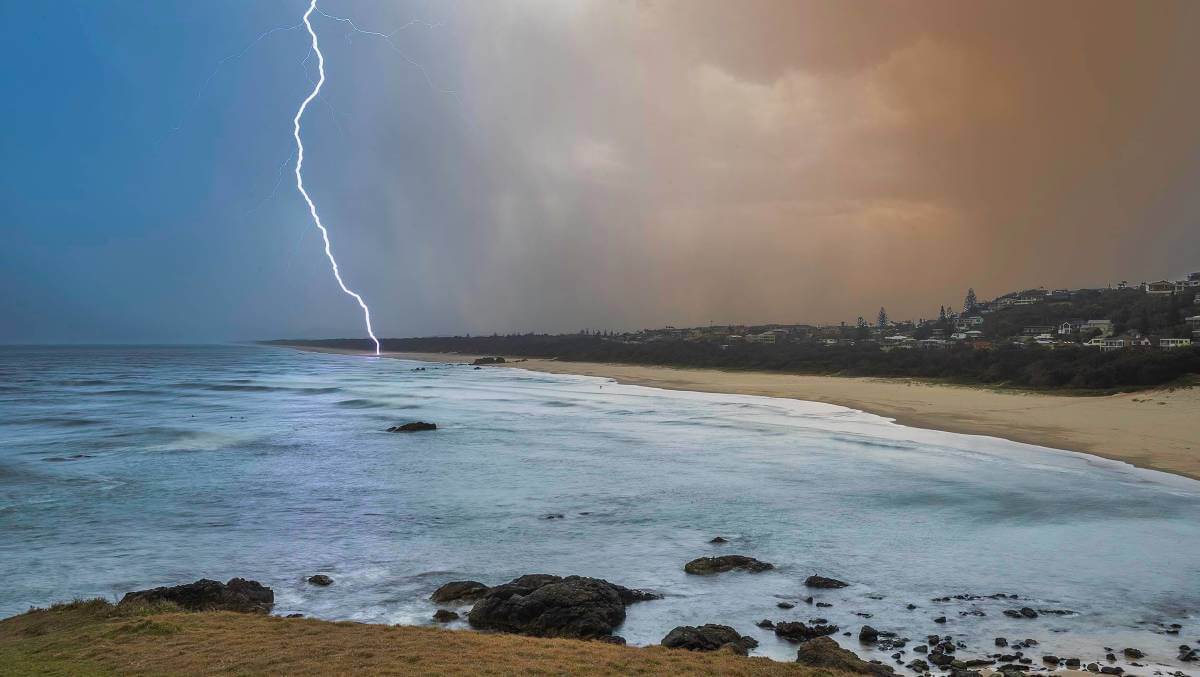
2. Water is a Conductor, Baby: Whether you're still splashing in the waves or just walking along the wet sand, water is an excellent conductor of electricity. If lightning strikes the water nearby, that current can travel a surprising distance. Even damp sand can carry an electrical charge. So, diving into the ocean for "safety" is actually like inviting trouble to your pool party.
3. No Safe Shelter: Those cute little concession stands? That charming wooden boardwalk gazebo? Your car (with the windows up) is really the only thing that offers reasonable protection due to its metal frame, but even then, it's not foolproof. True safety means a substantial building with plumbing and wiring. A car is better than nothing, but a solid structure is best.
4. It Happens Fast: Thunderstorms can pop up quicker than a surprise pop quiz. One minute it's sunny, the next it's looking like the end of days. You might think you have time to pack up your gear, but those precious minutes could be crucial. If you hear thunder, lightning is close enough to strike. Period.
"But It's Just a Little Rumble!"
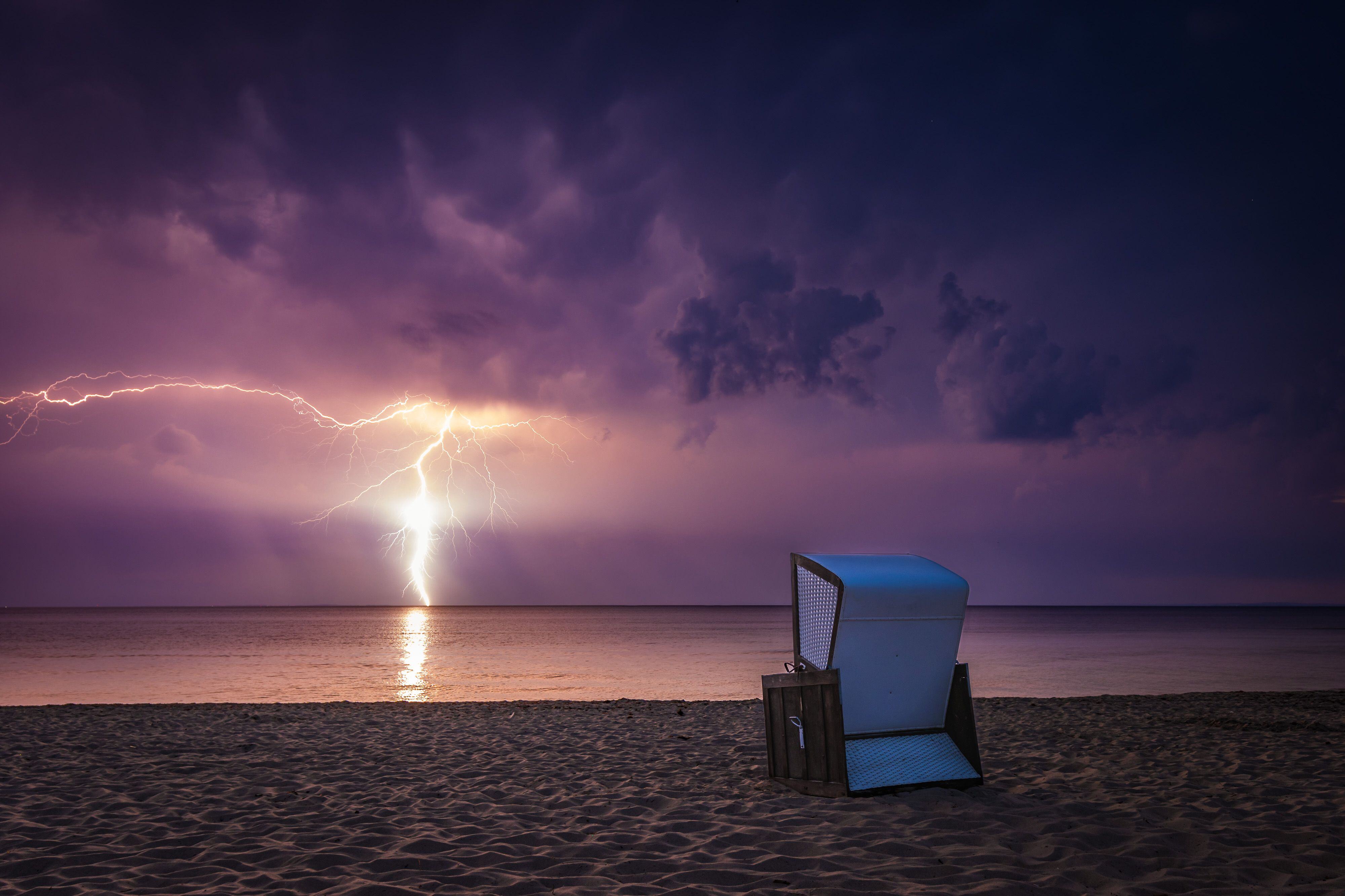
We've all been there. You hear a distant grumble, and you rationalize. "It's miles away!" "It'll pass!" But here's a little rule of thumb that could literally save your skin: When Thunder Roars, Go Indoors! If you can hear thunder, you are within striking distance of lightning. It’s not just hitting the clouds; it’s hitting the ground. Often without warning.
Think of it like this: if you hear a growling stomach, you know someone's hungry, even if they're across the room. Thunder is the growling stomach of a storm, and it means the lightning monster is very, very close by.
What Should You Do Instead?
Okay, so the storm clouds are gathering. Your perfect beach day looks like it’s taking a detour. Don't fret! This isn't the end of the world; it's just a plot twist. Here are some ideas for turning a potential disaster into a delightful detour:

1. Seek Proper Shelter: Head to a building with four walls and a roof, ideally one with plumbing and wiring (like a home or a restaurant). If that's not possible, your car (again, windows up!) is the next best bet.
2. Embrace the Pause: Think of it as a forced relaxation break. Instead of dodging lightning bolts, you could be cozying up with a good book, playing a board game with the family, or finally tackling that crossword puzzle. Maybe it’s the perfect excuse for a delicious, lazy lunch indoors.
3. Watch the Show (From a Safe Distance): Thunderstorms can be incredibly dramatic and beautiful when viewed from the safety of a porch or a window. There's a certain magic to watching the rain lash down and the sky light up, knowing you're warm and dry inside.
4. Plan Your Comeback: This isn't goodbye to the beach; it's just "see you later!" Use the downtime to plan your return. Maybe you'll find a new spot, try a different activity, or just appreciate the sunshine even more when it finally reappears.
Why Should You Care? Because Your Future Self Will Thank You!
Nobody wants to be a statistic. And let's be honest, having to explain how you ended up in a sticky situation because you "really wanted to finish that chapter" or "thought it looked cool" isn't exactly the kind of beach story you want to tell.
Caring about beach safety during a thunderstorm isn’t about being a party pooper; it’s about being smart. It’s about ensuring you have many, many more sunny, safe beach days ahead. It’s about protecting your fun, your memories, and most importantly, your well-being.
So, next time the sky starts to grumble over your favorite stretch of sand, be smart, be safe, and remember: the beach will still be there when the storm passes, and so will you!