
Where Should You Put Carbon Monoxide Detectors
Alright, friend, let's talk about something that's super important but often feels as thrilling as watching paint dry. I'm talking about carbon monoxide detectors! But guess what? We're going to make it fun, because even the most serious topics can have their quirks. Think of this as our little detective mission to keep your home safe, with a dash of humor and a sprinkle of "aha!" moments.
You know that sneaky little villain, carbon monoxide? It's like the ultimate party crasher – invisible, odorless, and tasteless. It doesn't even have a catchy theme song! This gas is produced when fuels like gas, oil, kerosene, wood, or charcoal don't burn completely. Furnaces, water heaters, stoves, fireplaces, and even your trusty grill (if used indoors, which, please don't) can be culprits. It messes with your blood's ability to carry oxygen, which is, well, really bad news. We're talking dizziness, nausea, confusion, and in the worst cases, lights out. So, let's arm ourselves with knowledge, shall we?
The Big Question: Where Does This Lifesaver Live?
This isn't like picking out wallpaper; there are some smart strategies here. And spoiler alert: it's not just one detector and done. Nope, think of it as assembling your very own CO detector superhero squad!
Must Read
Every Level, Every Time!
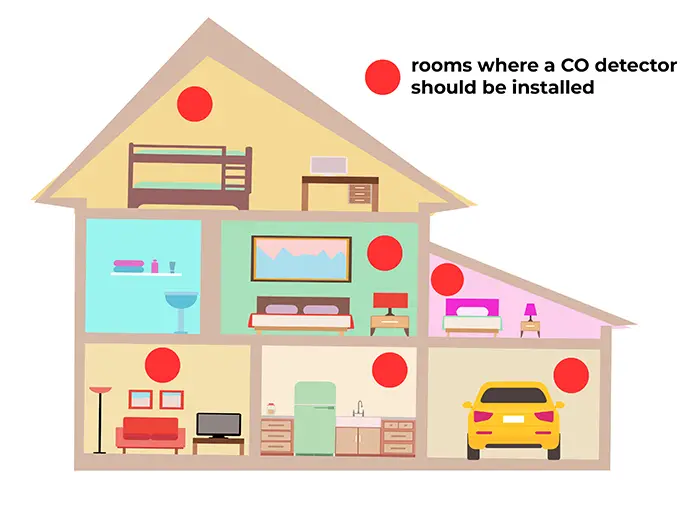
First things first, you'll want at least one detector on each level of your home. Yes, the basement, the main floor, and the upstairs. Even if your basement is just for laundry and spider-watching, a detector belongs there. Why? Because CO is a bit of a chameleon. While it's slightly lighter than air, it mixes with air quite readily. So, the old myth that it only floats to the ceiling? Busted! It can hang out wherever it feels like, which means you need coverage everywhere.
Near the Snooze Zones (aka Bedrooms)
This is probably the most critical spot. You're most vulnerable to CO poisoning when you're sleeping because you won't notice the symptoms. So, put a detector outside each separate sleeping area. Imagine waking up to that alert – it could literally save your life or the lives of your family members. If your kiddos are in separate wings of the house, make sure their zone is covered too. Safety first, right?
/where-to-place-smoke-detectors-1152485_V2-3c5086adfaa646d69d312b45d342c621.png)
The Common Hangouts
Don't forget your main living spaces! The living room, dining room, and any other spots where you spend a good chunk of time are fair game. It's a good idea to have one of these vigilant guardians in these areas to catch any early signs before the gas has a chance to spread too far. Think of it as an early warning system for your Netflix binge sessions.
The Quirky Nuances: Goldilocks and the CO Detector
Now, let's get into the fun, nitty-gritty details. It’s not just where in the house, but where exactly in the room!
Not Too Close, Not Too Far from Appliances
You might think, "My furnace is a potential CO source, so I'll slap a detector right next to it!" Woah there, partner! Not so fast. Placing a detector too close to a fuel-burning appliance (like your furnace, water heater, or even a gas stove) can sometimes lead to nuisance alarms from harmless trace amounts of CO during normal operation, or from other gases. The general rule of thumb is to keep it at least 15-20 feet away. It’s all about finding that Goldilocks zone – not too close, not too far, but just right for accurate detection.
The Height Debate: Eye Level, My Friend!
Since CO mixes with air, placing your detector at eye level or head level (where you breathe) is often the most effective. Manufacturers usually suggest mounting them on a wall, about 5 feet from the floor. This is because detectors are designed to sense CO concentrations in the general breathing area. So, forget trying to reach the ceiling with a stepladder; it's not always necessary for CO detectors, unlike their smoky cousins!
The Garage Game Changer (Attached Garages, That Is!)
Do you have an attached garage? If so, you absolutely, positively need a CO detector in the room adjacent to the garage or in the garage itself. Why? Exhaust from cars, especially older ones, contains CO. Running your car to warm it up in an attached garage, even for a few minutes, can let CO seep into your living space. This is a common and dangerous scenario that many people overlook. Don't let your car's morning routine turn into a CO crisis!

Where Not to Put Your Detective Buddy
Just as important as knowing where to put them, is knowing where not to. Avoid these spots to prevent false alarms and ensure optimal performance:
- Right next to fuel-burning appliances: (As discussed, too close can be misleading.)
- In the kitchen: Cooking fumes and steam can trigger false alarms.
- In the bathroom: High humidity and steam are a no-go for electronics.
- Near vents, fans, or drafts: These can blow away CO, preventing it from reaching the sensor, or cause false readings.
- In direct sunlight or near heat sources: Extreme temperatures can mess with the sensor.
- Behind curtains or furniture: These can block the sensor and prevent proper airflow.
The Maintenance Mission: Keep Your Heroes Charged!
Just like any good superhero, your CO detectors need a little TLC. Test them regularly – usually monthly – by pressing the test button. You'll hear a loud beep, which is the sound of peace of mind (or temporary annoyance if it's 3 AM). Change the batteries annually, or when they chirp to let you know they're tired. Most CO detectors also have a lifespan of about 5-7 years. After that, the sensors can degrade, so check the manufacture date and replace them when they expire. It's a small investment for massive safety dividends.
So there you have it! Who knew something so critical could have so many interesting nuances? It’s not just about slapping a detector on the wall; it’s about strategic placement, understanding how CO behaves, and keeping your vigilant little guardians in top shape. Now go forth, inspect your home, and ensure your CO detector superhero squad is perfectly positioned to protect you. Stay safe, stay curious, and keep those invisible threats at bay!
