
Can You Get Carbon Monoxide Poisoning From Ac

Understanding the "Silent Killer"
Many of us rely on our air conditioners to keep cool, especially during hot weather.
But have you ever worried if your AC could be quietly pumping something dangerous into your home?
Specifically, the big question is: can your air conditioner give you carbon monoxide poisoning?
Must Read
Your AC and Carbon Monoxide: The Short Answer
Let's get straight to it: generally, no, your air conditioner itself does not produce carbon monoxide.
An AC unit is designed to cool and circulate air.
It doesn't burn fuel to do its job, which is where carbon monoxide comes from.
What is Carbon Monoxide Anyway?
Carbon monoxide, often called CO, is a truly sneaky gas.
You can't see it, smell it, or taste it.
This is why it's earned the scary nickname: the
"silent killer".
When you breathe in CO, it quickly replaces the oxygen in your blood.
This starves your vital organs, like your brain and heart, of the oxygen they desperately need.
The effects can be devastating, even deadly.
Where Does CO Really Come From?
CO is a byproduct of burning fuels.
Think about things like gasoline, wood, propane, natural gas, charcoal, and kerosene.
When these fuels burn incompletely, CO is produced.
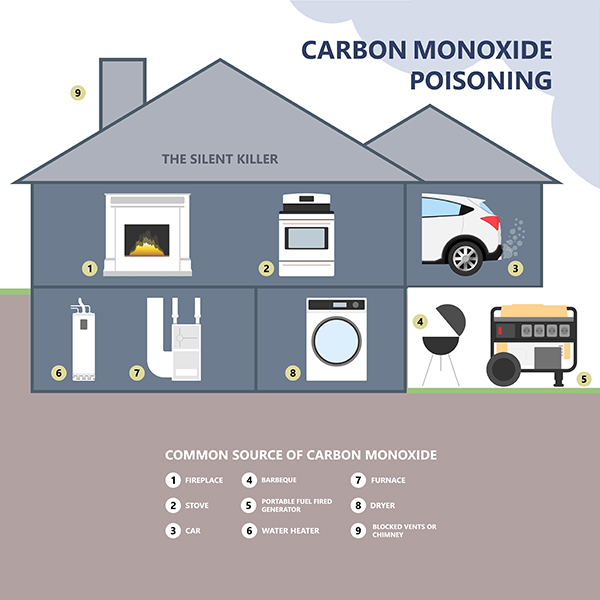
Common culprits in your home can include gas furnaces, water heaters, stoves, and dryers.
Outside the home, generators, car exhausts, and charcoal grills are big sources.
The key is any appliance or engine that burns fuel.
Your Air Conditioner's Job
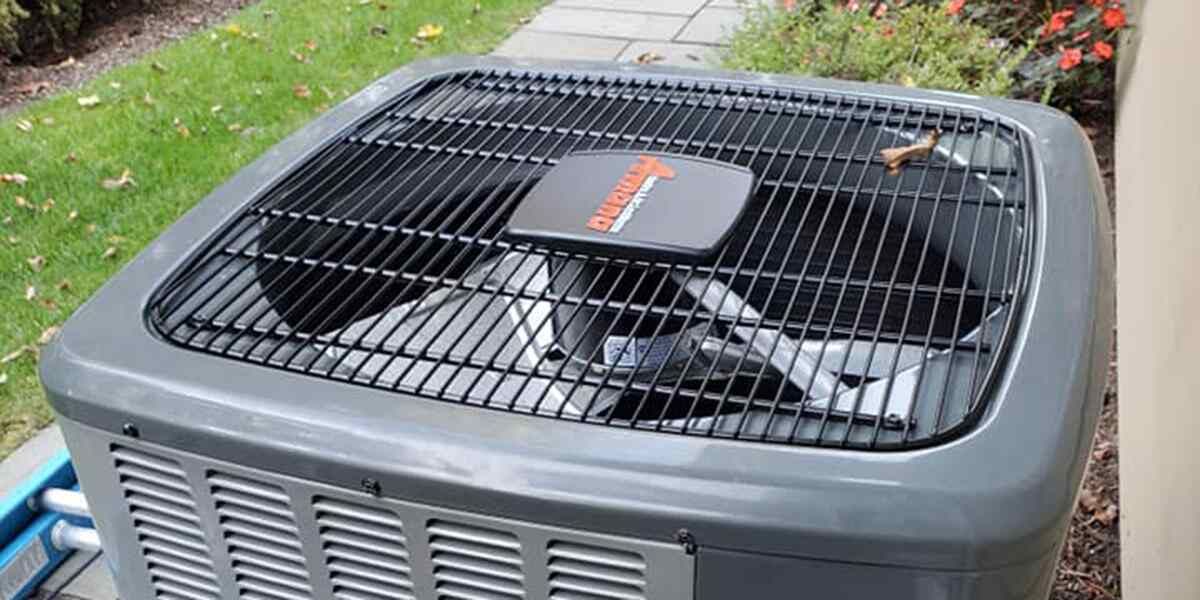
Your typical central air conditioner has two main parts: an indoor unit and an outdoor unit.
The indoor unit, usually called the evaporator coil and air handler, sits inside your house.
It cools the air and blows it through your home's ductwork.
The outdoor unit, the condenser, releases heat outside.
Both parts use electricity to run compressors and fans.
Crucially, neither part contains a combustion chamber or burns any fuel.
So, an air conditioner is designed to move heat, not create it through combustion.
This means it cannot directly generate carbon monoxide.
It's simply not how they work.
The Link Between AC and CO: When Things Get Tricky
While your AC itself isn't a CO producer, there are a few tricky situations.
These situations involve other fuel-burning appliances that might share space or systems with your AC.
It's all about being aware of the bigger picture of your home's systems.
Scenario 1: The Shared Ductwork Dilemma
Many homes use the same duct system for both heating and cooling.
If you have a gas furnace for heat, it does burn fuel.
A cracked heat exchanger in your furnace can leak CO into the air circulating through your ducts.
Even if your AC is running, the faulty furnace connected to the same ducts could be introducing CO.
The AC's fan would then simply distribute this dangerous gas throughout your home.
This is a common, and very serious, indirect link.
Scenario 2: Outdoor Air Intakes and Nearby Dangers
Some more advanced AC or HVAC systems include a fresh air intake.
This intake brings outside air into your home to improve ventilation.
If this intake is too close to a source of carbon monoxide, it can pull the gas indoors.
Imagine a running car in an attached garage, or a portable generator operating too close to your home.
If the CO from these sources drifts near your fresh air intake, your AC system could become a silent transporter.
This highlights the importance of proper placement for anything that produces exhaust.
Scenario 3: Leaky Ducts in Dangerous Places
Your home's ductwork isn't always perfectly sealed.
Ducts can run through areas like garages, crawl spaces, or basements.
If there's a CO source in these areas, and your ducts have leaks, CO can be drawn into the airflow.
This means your air conditioning fan, while innocent in itself, can effectively suck in and spread the poison.
Regular maintenance can help spot these kinds of issues.
Sealing ducts is good for efficiency and safety.
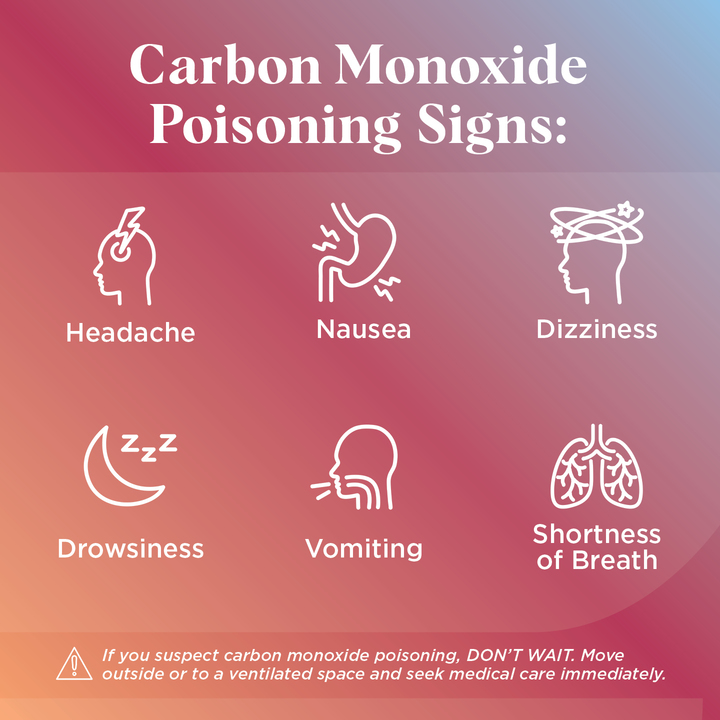
Spotting the Signs: Symptoms of CO Poisoning
Because CO is invisible and odorless, recognizing symptoms is vital.
Unfortunately, early symptoms often mimic the flu, which can make it confusing.
Here are some things to watch out for:
Mild Exposure Symptoms:
- A dull headache that won't go away.
- Feeling dizzy or lightheaded.
- Nausea or feeling sick to your stomach.
- Unexplained tiredness or weakness.
Moderate to Severe Exposure Symptoms:
- A severe headache, throbbing intensely.
- Feeling disoriented or confused.
- Vomiting.
- Chest pain.
- Loss of muscle control or coordination.
If multiple people in the same house experience these symptoms, especially when appliances are running, it's a huge red flag.
And if symptoms improve when you leave the house and return when you're back inside, that's another critical clue.
Never ignore these warning signs.
Your Best Defense: Prevention!
Being informed is the first step, but taking action is the most important.
Protecting your family from carbon monoxide poisoning is simpler than you might think.
Here are the essential steps:
1. Install Carbon Monoxide Detectors
These devices are truly lifesavers.
Install them near sleeping areas and on every level of your home.
Treat them like smoke detectors – test them regularly and replace batteries.
Look for detectors that meet UL 2034 safety standards.
Remember, alarms are designed to alert you before symptoms appear.
Don't wait for symptoms; let the detector be your early warning system.
2. Regular HVAC Maintenance
Have a qualified technician inspect your furnace and other fuel-burning appliances annually.
They can check for cracks in heat exchangers, proper ventilation, and other potential problems.
Keeping your heating system in good shape helps prevent CO leaks.
3. Use Fuel-Burning Appliances Safely
Never run a portable generator inside your home, garage, basement, or any enclosed space.
Keep generators at least 20 feet away from windows, doors, and vents.
Similarly, never idle your car in an attached garage, even with the garage door open.
Ensure that gas appliances like stoves and water heaters are properly vented to the outside.
Always follow manufacturer instructions for all fuel-burning devices.
It's all about ensuring complete combustion and proper exhaust.
4. Check Your Vents and Chimneys
Make sure all vents for fuel-burning appliances are clear of snow, debris, or bird nests.
Blocked vents can cause exhaust gases, including CO, to back up into your home.
Have chimneys professionally cleaned and inspected once a year.
What to Do If the Alarm Sounds or You Suspect CO
If your carbon monoxide detector goes off, or if you suspect CO poisoning:
Act immediately!
1. Get everyone, including pets, out of the house into fresh air right away.
2. Call emergency services (like 911 in the US) or your local fire department from a safe location.
3. Do not re-enter the home until emergency responders say it's safe.
4. Seek medical attention, even if symptoms seem mild.
Be Aware, Stay Safe
So, while your air conditioner isn't the direct source of carbon monoxide, it's crucial to understand the indirect links.
The danger comes from fuel-burning appliances and how their exhaust might enter your home's air circulation.
By taking simple, proactive steps, you can keep your home a safe and comfortable haven.
Don't let the
"silent killer"catch you off guard.
Be prepared, be aware, and breathe easy.
Your safety is worth it.