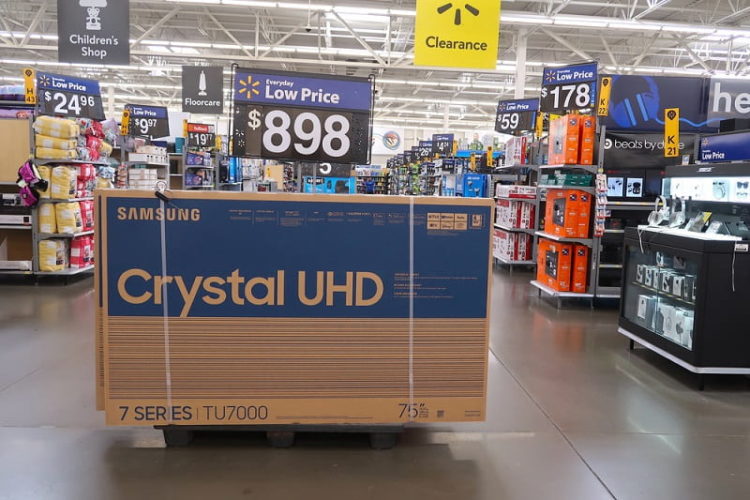
Can You Transport A Tv Laying Down In The Box
Okay, so you just snagged that gorgeous new TV, or maybe you're moving house and your trusty old (but still awesome) flat-screen needs a ride. You're staring at the box, then at your car, and a thought pops into your head like a catchy jingle: "Can I just lay this thing down? It'll fit so much better!"
It's a common dilemma, friend, right up there with "Do I really need to assemble this IKEA furniture?" and "Is it too early for ice cream?" On the surface, it seems logical. It's in a box, right? That box is meant to protect it! But let's dive into the fascinating, albeit slightly nerve-wracking, world of TV transportation.
The Big Question: To Lay or Not to Lay?
Let's get straight to the point, because nobody wants a broken TV. For most modern flat-screen TVs – we're talking your shiny LCDs, LEDs, QLEDs, and especially those super-thin OLEDs – the answer is a resounding, "Try not to!"
Must Read
Think of it this way: your TV screen isn't designed to support its own weight, or the weight of any bumps and jiggles, across its entire surface when lying flat. Imagine trying to carry a giant sheet of glass horizontally. Now imagine that glass has incredibly delicate pixels and circuitry glued to it. That's kinda what we're dealing with!
What's Happening Inside That Box?
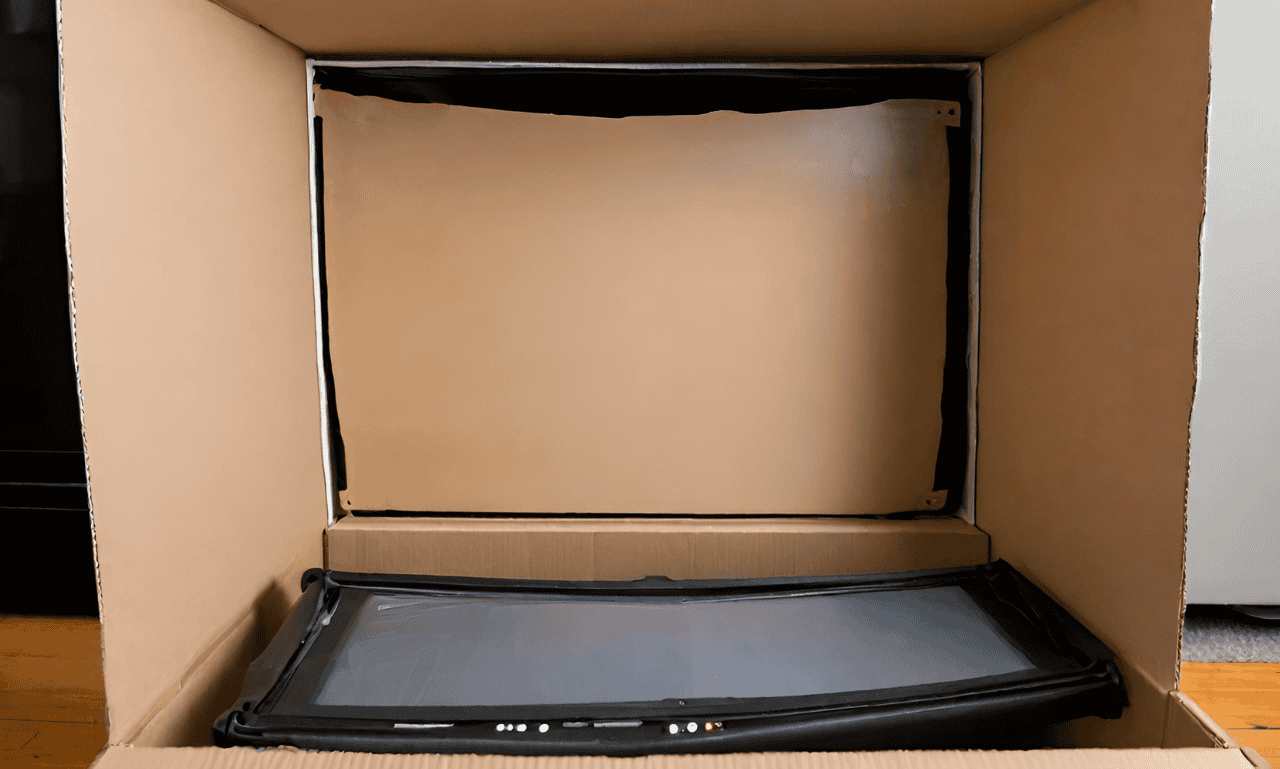
Even though your TV is snug in its original packaging, complete with those fancy foam inserts, that packaging is usually designed for the TV to be transported upright. Why? Because when a flat-screen TV is laid down horizontally, a few not-so-fun things can happen:
![Can You Transport a TV That’s Laid Flat in the Box? [2022]](https://theproductanalyst.com/wp-content/uploads/elementor/thumbs/transporting-a-tv-ptebjvc8cutp15p1mux32odzy9ej1fr58ws6om18ey.png)
- Pressure Points: Road bumps, potholes, or even just general vibrations can put immense, uneven pressure on the screen itself. The internal components, especially the delicate panel, aren't built to absorb impact or flex in that direction.
- Gravity's a Jerk: Gravity, bless its consistent heart, is constantly pulling down. When your TV is upright, that force is distributed along the sturdy frame. When it's flat, gravity is trying to push the entire panel deeper into the box, potentially causing internal damage, like a cracked LCD matrix or detached ribbon cables. Ouch!
- Flexing Frenzy: The sheer size and thinness of modern screens make them susceptible to flexing. Laying it flat and then hitting a bump is like inviting your screen to do an unwanted, violent yoga pose.
You might end up with dead pixels, strange lines, a completely blank screen, or even a spiderweb crack that wasn't there when you left the store. And trust me, that's not the kind of abstract art you want on your living room wall.
But My Buddy Did It! And It Was Fine!
Ah, the classic "my friend got away with it" anecdote! And yes, sometimes people do transport their TVs laying down and nothing bad happens. They're either incredibly lucky, their journey was shorter than a trip to the fridge, or they were moving a sturdier, older model. It's like speeding – you can do it and not get caught, but it significantly increases your risk!

If you absolutely, positively must lay it flat for a super short distance (like, from your garage to your living room, not across town), here are some tips, though still with a side of caution:
- Minimize Time: The less time it's horizontal, the better.
- Extreme Cushioning: Pad, pad, pad! Use extra blankets, pillows, whatever you have to absorb shock from all directions.
- Face Up: If possible, transport it with the screen facing upwards. This reduces the chances of anything heavy shifting onto the screen itself.
- Drive Like a Grandma: No sudden stops, no sharp turns, and avoid every single pothole like it's an alien invasion.
The Golden Rule: Keep It Standing Tall!
The safest, happiest, most TV-friendly way to transport your flat-screen is to keep it upright, just like it sits on its stand or hangs on your wall. This orientation is what the internal components are designed for. The forces of vibration and impact are distributed along the TV's frame, which is much more robust.
![Can You Transport a TV That’s Laid Flat in the Box? [2022]](https://theproductanalyst.com/wp-content/uploads/elementor/thumbs/TV-in-a-box--ptebjwa2jouzcrnohdbpn65gjn9w94uvl1fo5vzu0y.png)
So, clear out that back seat, fold down the rear seats, or even rent a small van if you need to. Secure it with straps or seatbelts so it doesn't tip over. Use blankets or foam to prevent it from rubbing against anything hard. Treat your TV like the delicate, expensive piece of entertainment magic that it is!
In the grand scheme of things, taking a little extra time and care during transport can save you a whole lot of heartbreak (and money!) down the road. You want to unbox that beauty, plug it in, and immediately dive into your favorite show, not spend hours on the phone with customer service or gazing sadly at a pixelated mess. Play it safe, enjoy the ride, and get ready for countless hours of crisp, clear viewing pleasure!