
Why Would My Carbon Monoxide Detector Be Beeping
Alright, picture this: You're chilling at home, maybe binging your favorite show, brewing some coffee, or just enjoying a quiet evening. Suddenly, a sound pierces the calm.
Beep! Beep! Beep!
It's your carbon monoxide (CO) detector, and it's decided to join the conversation. What's the first thought that zips through your mind? Probably something like, "Uh oh," or "What now?"It's totally natural to feel a little jolt of alarm, but here's the thing: that little gadget isn't just trying to scare you. It's actually doing something pretty incredible. So, instead of just wondering if you need new batteries (though, sometimes that's exactly it!), let's dive into the fascinating world of why your CO detector might be beeping and why it's genuinely one of your home's unsung heroes.
Must Read
What Even IS Carbon Monoxide, Anyway?
Let's start with the star of the show: Carbon Monoxide. Ever heard it called the "silent killer"? It’s not just a dramatic nickname for a horror movie. CO is an odorless, colorless, and tasteless gas. Think of it as a super stealthy ninja gas – you can't see it, smell it, or taste it, but it can be incredibly dangerous.
So, where does this sneaky stuff come from? It's basically a byproduct of incomplete combustion. That's a fancy way of saying when things burn without enough oxygen. We're talking about common household appliances like your furnace, gas stove, water heater, fireplace, or even a car left running in an attached garage. Even a charcoal grill used indoors (which, by the way, is a big no-no!) can produce CO. It's all around us, often in safe, tiny amounts, but it's the higher concentrations that are the problem.

Your Detector: A Tiny Superhero with a Super Sniffer
Now, here's where your detector comes in, looking all unassuming on the wall. This little device is basically a super-sniffer. It contains a specialized sensor that's constantly sampling the air, looking for even the smallest traces of CO. It's like a tiny, vigilant guard dog, sniffing out danger before you ever know it's there.
But here's the cool part: it doesn't just "detect" CO. It actually measures the concentration of CO in the air in "parts per million" (PPM) over a period of time. It's a sophisticated calculation, not just a simple on/off switch. This means it's designed to differentiate between harmless background levels and those that pose a threat, giving you precious time to react. Pretty clever, right?
Chirps, Beeps, and Full-Blown Alarms!
Not all beeps are created equal. Understanding the different "languages" your detector speaks can help you react appropriately.
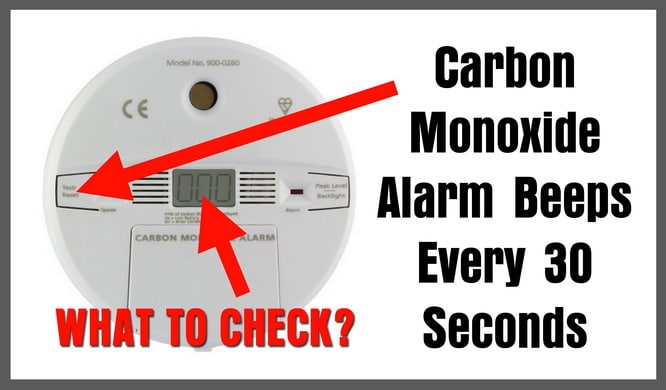
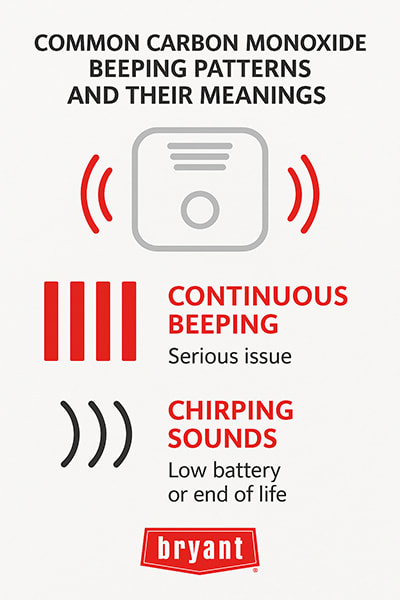
Sometimes, your CO detector isn't actually screaming "Danger!" but merely letting you know it needs a little TLC. A common scenario is a single, intermittent chirp every 30-60 seconds. Sound familiar? Nine times out of ten, that's your friendly reminder that it's time to change the batteries. Think of it as your detector's way of grumbling, "Hey, I'm running low on juice here!"
Another, often similar, chirping pattern could mean your detector has reached its end-of-life. Yep, these gadgets don't last forever! Most CO detectors have a lifespan of about 5-7 years. After that, their sensors become less reliable. So, if you've changed the batteries and it's still chirping, check the date on the back – it might be time for a well-deserved retirement party for your old unit and an upgrade to a new one.
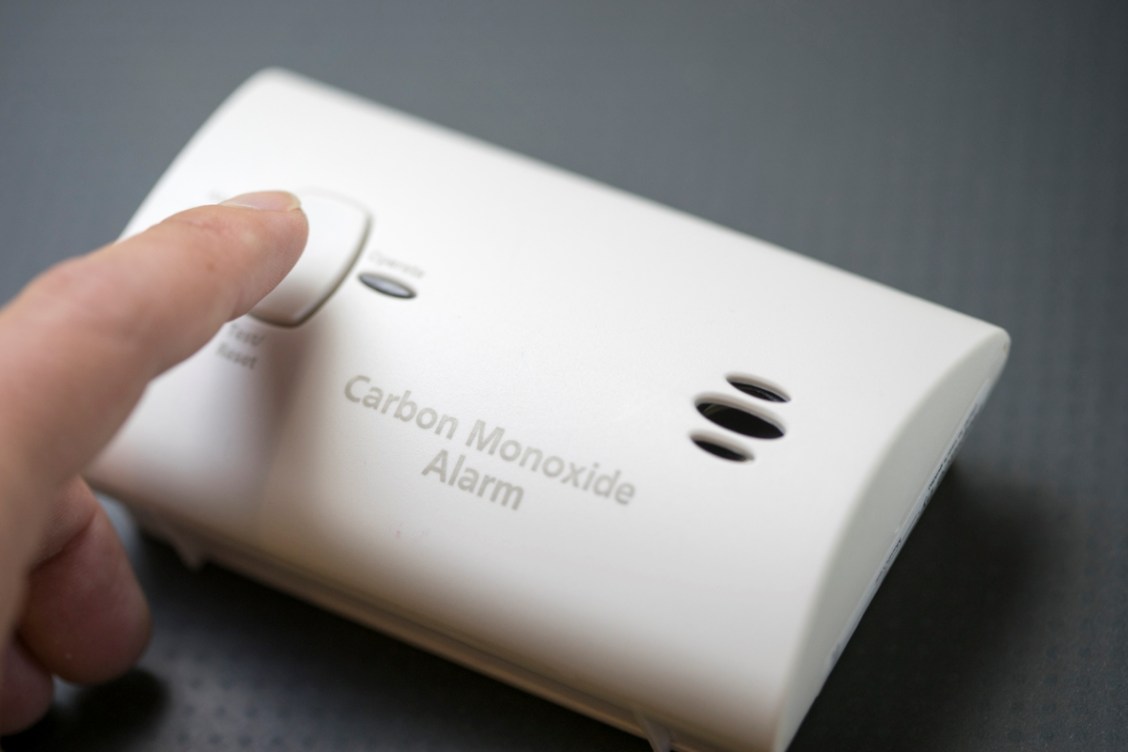
But then there's the big one: the loud, continuous, rapid beeping (often four rapid beeps followed by a pause, then repeating). This is your detector's emergency broadcast. This is the sound that means it has detected a potentially dangerous level of carbon monoxide. When you hear this, it's not a drill. It's the moment your superhero is telling you to take action!
So, What's Triggering the Rave?
Okay, so your detector is doing its job. But what could actually be causing it to sound a full alarm?
- A Faulty Furnace or Boiler: These are common culprits. A cracked heat exchanger or a blocked flue can send CO into your home instead of safely outside.
- Blocked Chimneys or Vents: If your fireplace, wood stove, or even your clothes dryer vent is blocked (think bird nests or debris!), exhaust gases, including CO, can back up.
- Gas Appliance Issues: An unvented gas space heater, a dirty gas range burner, or even an improperly installed gas dryer can produce CO.
- Vehicle Exhaust: Leaving a car running in an attached garage, even for "just a minute," can quickly fill your home with CO. This is a surprisingly common and dangerous oversight.
- Portable Generators: If you're using a generator (especially during a power outage), it must always be operated outdoors and far away from windows and doors. They are CO factories!
- Fireplace Fumes: A downdraft or improper venting of a fireplace can send smoke and CO into your living space.
It's rarely a "false alarm" when it's the continuous, loud beep. Your detector is highly sensitive for a reason.

Okay, It's Beeping. Now What?
The key here is to stay as calm as possible (easier said than done, we know!).
- If it's a "low battery" chirp: Replace the batteries immediately. If it continues, check the unit's age and consider replacing it.
- If it's a full-blown alarm:
- Don't ignore it. Seriously, this is not the time to second-guess your detector.
- Immediately open windows and doors to ventilate your home.
- Evacuate everyone, including pets, from the house. Get fresh air.
- Once outside, call 911 or your local fire department. They have specialized equipment to safely check CO levels.
- Do not re-enter your home until emergency responders say it's safe to do so.
Stay Safe, Stay Chill!
Your carbon monoxide detector isn't just another gadget on the wall; it's a critical piece of safety equipment. When it beeps, it's not just a random noise – it's a communication, a warning, or sometimes, just a request for a battery change. Understanding its language and knowing how to respond empowers you to keep yourself and your loved ones safe.
So, next time you hear that beep, remember your tiny superhero is just doing its job, silently protecting you from an unseen danger. And that, my friends, is pretty cool.