
Where Do You Hang A Carbon Monoxide Detector
You know those little gadgets that hum quietly in the background of your life? Like a friendly, unassuming superhero. We’re talking about the carbon monoxide detector, a true home MVP. But where exactly does this silent guardian set up its command center? It’s not always where you’d expect!
The Grand Tour: Every Level Gets a Star
Think of your home as a multi-level adventure. Our first stop? Every single floor needs a lookout. Yes, from the tippy-top attic (if it's livable!) to the cozy basement. It’s about universal coverage, like a comforting blanket of safety for your entire dwelling.
Imagine carbon monoxide as a sneaky, invisible guest. You want a welcoming committee waiting on every stair landing or hallway. No floor should feel left out of the protection party!
Must Read
The Bedroom Brigade: Guardians of Slumber
Now, let’s talk about the most precious zones: your sleeping quarters. This is where the detector truly shines, standing guard while you dream of unicorns or pizza. Placement here is like tucking in your loved ones with an extra layer of peace.
The ideal spot? Inside or directly outside each separate sleeping area. If you have a hallway connecting a cluster of bedrooms, that’s a prime spot. It’s the first line of defense for a restful night.
"Picture your detector as a tiny, vigilant night-light, silently watching over your dreams."
For the kids' rooms, it’s a gentle reassurance. For the master suite, it’s the ultimate sleep aid. It’s not just about safety; it’s about that deep, uninterrupted sleep you crave.
The Heart of the Home: Living Spaces & Appliance Alleys
Beyond the bedrooms, what about the places where life truly happens? The living room, the den, that cozy nook where you read. These areas also deserve a watchful eye, especially if you spend a lot of time there.
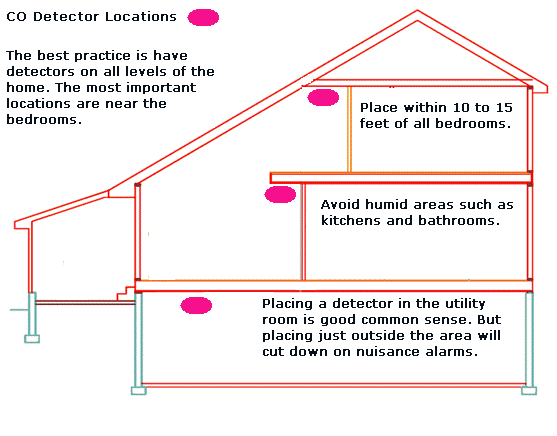
Consider the areas near fuel-burning appliances. We’re talking furnaces, water heaters, fireplaces, even gas dryers. These are the usual suspects for producing carbon monoxide, so proximity helps.
Imagine your detector giving a friendly nod to your furnace, saying, "Just keeping an eye on things, pal." It’s a subtle dance of vigilance and trust. But don't place it right next to the appliance; give it a little breathing room.
The Garage Guardian: A Surprising Hero
Here’s a spot that often catches people off guard: the attached garage. If your garage shares a wall or a ceiling with your living space, it's a critical zone. Vehicles, even when briefly idling, can be significant sources.
Think of it as the friendly bouncer at the door, making sure no unwelcome fumes crash your party. Place a detector in the room above or adjacent to the attached garage. It's an often-overlooked hero location.

"Who knew a garage could harbor such a sneaky guest? Your detector does!"
This might be the most "aha!" moment for many homeowners. It's a reminder that safety extends beyond the obvious. A little detector in this specific spot can make all the difference.
The Great Debate: High, Low, or Just Right?
Now for the age-old question that sparks many a family discussion: does carbon monoxide rise or fall? Many folks picture it sinking like a stone or floating to the ceiling. The truth is a delightful twist!
Carbon monoxide is very similar in weight to air, so it mixes pretty evenly throughout a room. It doesn’t dramatically "pool" in one spot. This means those old myths about putting it specifically high or low are often a little off-base.
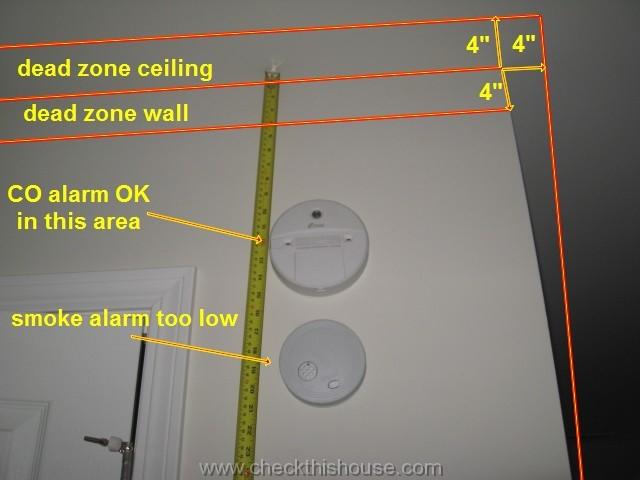
So, where’s the sweet spot? Think of "eye level" or on a wall outlet. It’s about being able to hear the alarm, plain and simple. About five feet off the ground is a fantastic general guideline.

This placement makes it easy to install, easy to test, and easy to see the status lights. No need for a step-ladder circus act just to check on your detector. It's all about practicality meeting protection.
"Forget the dramatic high-low game! Your detector is a 'just right' kind of Goldilocks device."
Avoid putting it right next to a window or door, where drafts might mess with its readings. And definitely keep it away from vents or fans, which can blow fumes away from it. It likes a calm, steady environment to do its best work.
The "No-Go" Zones: Where Not to Hang Your Hero
Just as important as knowing where to put your detector, is knowing where not to. Think of these as the vacation spots your detector doesn't enjoy. Too close to cooking appliances, for example, might trigger false alarms.
Steamy bathrooms are another no-go. Excessive humidity can cause issues with the sensor. Your detector prefers a dry, comfortable atmosphere, thank you very much.
And please, not tucked away in a dusty cabinet or behind a curtain. It needs clear air access to do its job. It's a silent sentinel, not a shy wallflower.
The Happy Ending: Peace of Mind, Perfectly Placed
At the end of the day, placing your carbon monoxide detector isn't rocket science. It's about common sense, a little bit of strategic thinking, and a whole lot of care. It’s about making your home a safer, happier haven for everyone.
So take a moment, look around your home with new eyes. Imagine these little heroes finding their perfect perches. You'll not only be protecting your family but also gaining that sweet, sweet peace of mind.
Because when it comes to safety, every little placement detail counts. And a well-placed carbon monoxide detector? That's a truly heartwarming story for any home.