
Can You Recover From Carbon Monoxide Poisoning
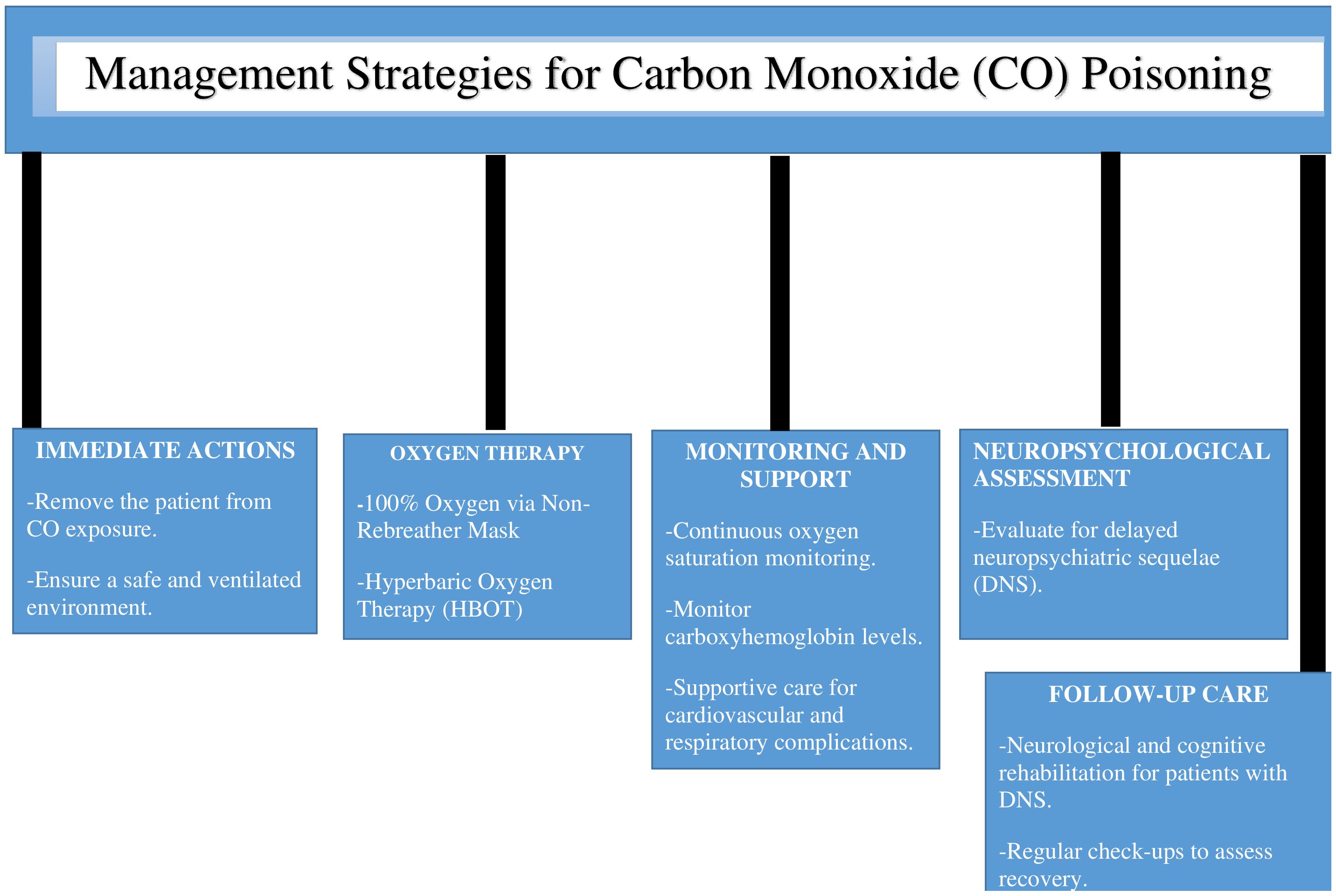
So, you’ve probably heard of carbon monoxide (CO), right? It’s that sneaky, invisible, odorless gas often called the “silent killer.” Pretty chilling nickname, if you ask me. But what happens if someone actually gets exposed? Is it game over? Or can your amazing body, with a little help, actually bounce back from something so serious? Let's dive into the fascinating world of recovery, because it's a lot more hopeful and intricate than you might think!
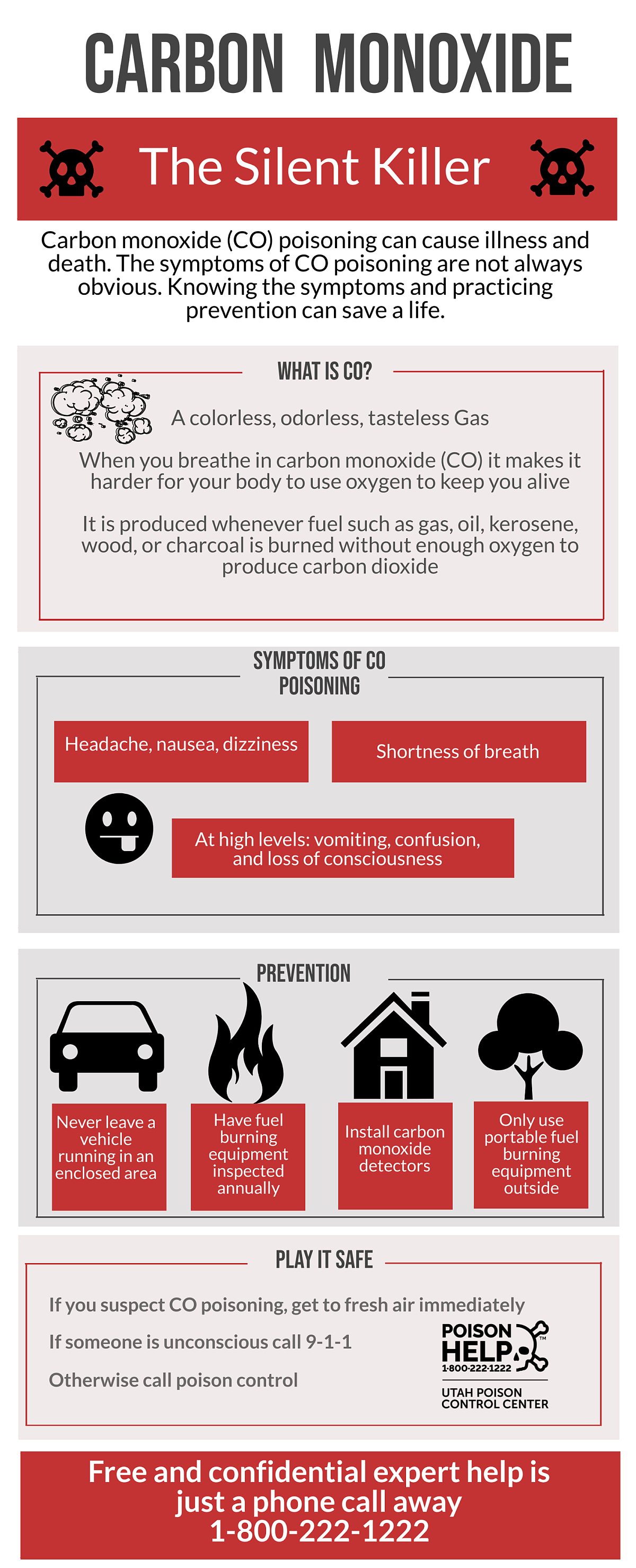
Imagine your red blood cells as little delivery trucks, zipping around your body, each carrying a precious cargo: oxygen! Oxygen is what fuels everything, from your wiggling toes to your brilliant brain. Now, picture carbon monoxide as a super pushy, highly attractive hitchhiker that spots your oxygen trucks. CO doesn't just want a ride; it wants to hijack the whole truck! It latches onto your red blood cells way more aggressively than oxygen does – about 200 times stronger, actually. Pretty rude, right?
The Big Oxygen Heist: What Happens Inside
When CO muscles its way into your bloodstream, it basically shoves oxygen out of the way. This means your body, especially your brain and heart, starts to get starved of that vital oxygen. Think of it like a city experiencing a sudden, widespread power outage. Things start to slow down, systems malfunction, and if it lasts too long, serious damage can occur.
Must Read
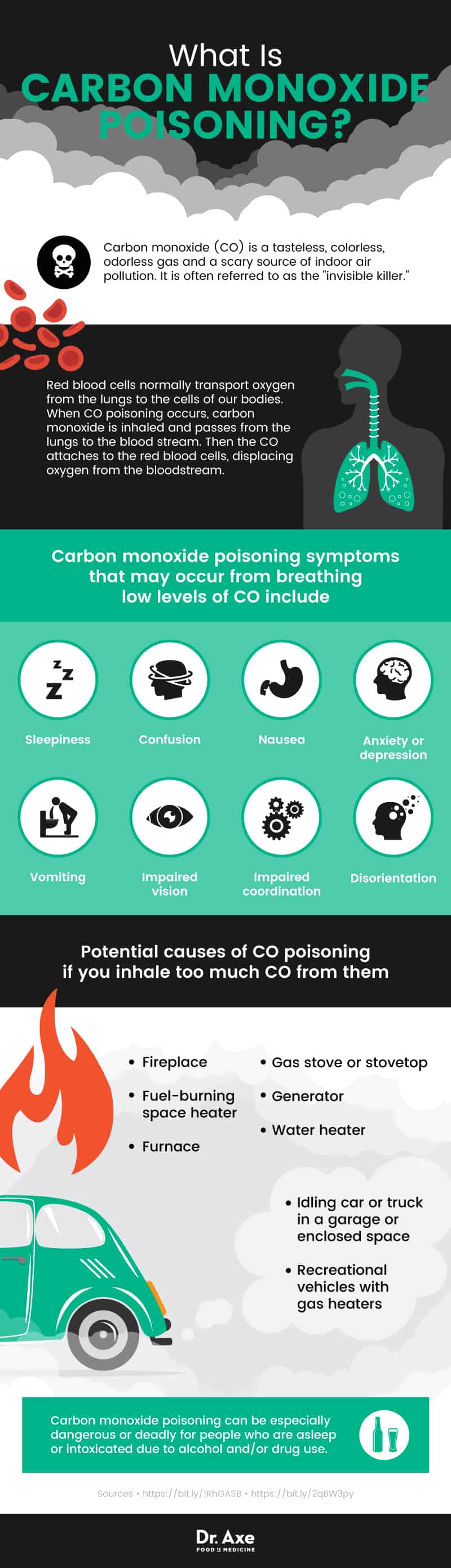
Symptoms can range from a headache and dizziness – which honestly, could be anything from dehydration to a bad hair day – to feeling nauseous, confused, or even losing consciousness. It’s tricky because these early signs are so vague. But here’s the cool part: once the CO source is identified and the person is moved to fresh air, the body immediately starts its counter-attack!
The Body's Amazing Clean-Up Crew Kicks In
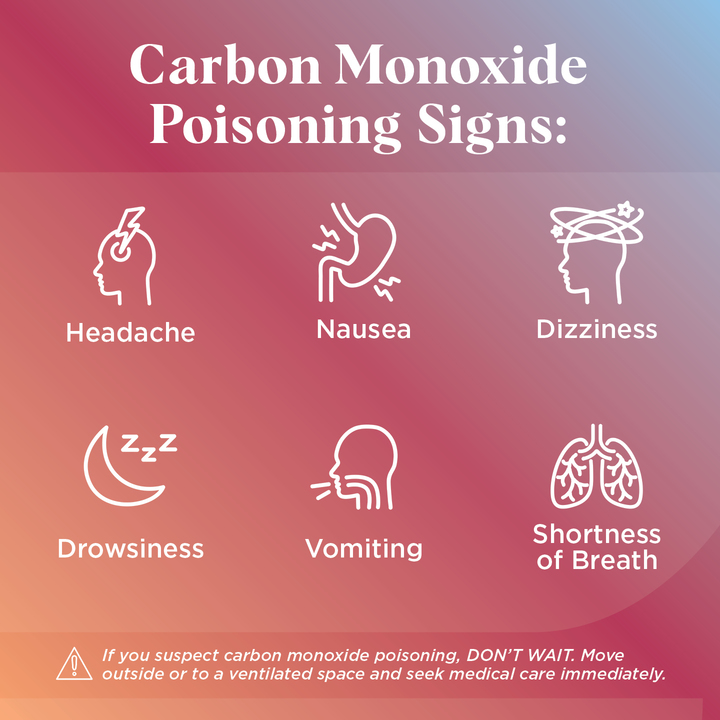
The first step in recovery is getting away from the CO and getting some good, clean oxygen. This is like finally getting the hijackers out of your delivery trucks. Your body slowly but surely starts replacing the CO with oxygen. In a hospital, doctors often give patients 100% oxygen, sometimes through a mask, to speed up this process dramatically. It's like giving your body a turbo-boost to kick CO to the curb!
But here's where it gets truly interesting. Even after the CO is cleared from the blood, the effects can linger. Why? Because that oxygen starvation can cause some damage, especially to the brain. The brain, being the super-computer it is, is incredibly sensitive to lack of oxygen. It’s like unplugging a complex system without properly shutting it down – some files might get corrupted, or connections might fray.
The Brain: A Master of Resilience and Rewiring
This is where the brain’s incredible ability to adapt and heal really shines. Our brains are incredibly plastic, meaning they can change, rewire, and even form new connections. It's not a rigid, unchangeable lump; it's more like a living, breathing, incredibly adaptable super-network. After CO poisoning, some people might experience immediate issues like memory problems, confusion, or difficulty concentrating. But many of these symptoms can, and often do, improve over time.
Think of it like a forest after a wildfire. It looks devastating at first, but slowly, new shoots appear, and life finds a way to regrow and even thrive. Our brains are a bit like that – they have an inherent drive to repair and restore function. It's truly mind-blowing what our nervous system can recover from!
Enter Hyperbaric Oxygen Therapy: A Supercharge for Healing
Sometimes, to give recovery an extra kick, doctors might recommend something called Hyperbaric Oxygen Therapy (HBOT). Sounds fancy, right? Basically, you go into a special chamber and breathe pure oxygen at a higher pressure than normal. Imagine it like deep-sea diving, but instead of water, it's just really dense, pure oxygen!
Why is this cool? This super-oxygenated environment helps oxygen dissolve into all your body fluids, not just your red blood cells. It’s like flooding your entire system with healing oxygen, reaching places that normal oxygen might struggle to get to. This can help reduce swelling, promote tissue repair, and give your brain a massive boost in its recovery efforts. It's like giving your body a superhero serum designed for healing!
The Long Road Home: What Recovery Looks Like
Recovery isn't always a straight line. For some, it might be a relatively quick bounce-back. For others, especially after more severe or prolonged exposure, it can be a longer journey. They might work with physical therapists to regain motor skills, occupational therapists to relearn daily tasks, or neuropsychologists to help with memory and cognitive function.
The extent of recovery often depends on several factors: how long the exposure lasted, how severe it was, and the individual's overall health. But here's the beautiful takeaway: studies show that many people, even those with significant initial symptoms, can make a remarkable recovery. Their brains find new pathways, their bodies mend, and they often return to their pre-exposure lives.
So, can you recover from carbon monoxide poisoning? The answer is a resounding, hopeful yes! While it’s a serious threat, the human body and brain possess an incredible capacity for healing and resilience. It’s a testament to the amazing biological architecture we all carry around. Pretty cool, huh?
