Why Can T You Take A Shower When It's Lightning

Ever found yourself staring out the window during a raging thunderstorm, contemplating a nice, warm shower, only to hear that familiar warning: "Don't shower when it's lightning!"? It's one of those bits of advice that gets passed down, sounding a bit like an old wives' tale, but it actually has some serious science behind it. Understanding why this rule exists isn't just a quirky piece of trivia; it’s genuinely useful and could keep you and your loved ones safe when the skies decide to put on a show.
This topic is fantastic for a few reasons. For beginners, or anyone who's ever just wondered, "Is that really true?", it demystifies a common household safety tip. You'll learn the why behind the rule, which is much more empowering than just blindly following advice. For families, especially those with curious kids, it provides an excellent opportunity to teach about storm safety in an understandable way. It helps establish clear boundaries during bad weather and protects everyone under your roof. And even for the more experienced homeowner or outdoor enthusiast, knowing the specifics about how lightning interacts with your home’s systems reinforces overall electrical safety during storms.
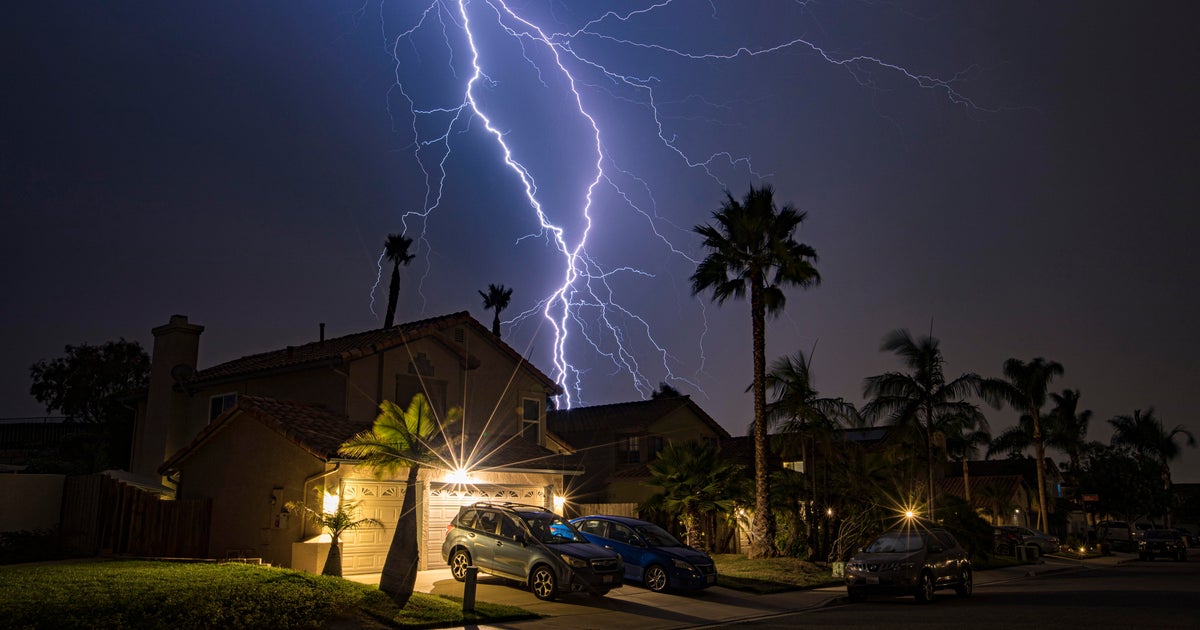
So, what's the big deal with a little shower? Well, the core issue is that lightning is electricity – incredibly powerful electricity. And electricity, as we know, loves to find the path of least resistance to the ground. Your home's plumbing system, with its metal pipes and water, can unfortunately provide just such a path. If lightning strikes your house, a nearby tree, or even the ground outside your home, that massive electrical charge can travel through the ground and into your utility lines or plumbing pipes. Water, especially tap water with its dissolved minerals, is a surprisingly good conductor of electricity. So, if you're standing in a shower, you're essentially creating a direct line for that electricity to pass through you on its way to the ground. It's not just the shower, either; this applies to taking a bath, washing dishes, doing laundry, or really, any activity that involves direct contact with water connected to your home's plumbing during a thunderstorm.
Must Read
To avoid becoming part of a lightning bolt's journey, here are some simple, practical tips. First and foremost, when you hear thunder roar, go indoors! Thunder means lightning is close enough to strike you. Once inside, the golden rule is to stay away from all water sources. That means no showering, bathing, or even washing your hands if you can avoid it. It’s also wise to unplug sensitive electronics, avoid using corded phones (cell phones are generally fine), and stay clear of windows and doors. The safest bet is to wait at least 30 minutes after the last clap of thunder before resuming any water-related activities or going back outside. This "30-minute rule" is a widely accepted guideline to ensure the storm has passed far enough away.
Ultimately, understanding why you shouldn't shower during a lightning storm isn't about fear; it's about informed safety. It’s a small, easy adjustment that can make a big difference in protecting yourself and your family. So next time the thunder rolls, enjoy the light show from a safe distance, away from the plumbing, and appreciate the peace of mind that comes with knowing the simple science behind keeping yourself truly safe and sound.