
Where Should Carbon Monoxide Detector Be Placed

Hey there, home dwellers! Ever find yourself scrolling through Instagram, admiring perfectly curated spaces, and then snap back to reality wondering if your own abode is actually, well, safe? We get it. Life moves fast, and while we're all about those cozy vibes and smart home gadgets, sometimes the most important safety features can slip our minds. Today, we’re chatting about a true household MVP that often doesn't get the spotlight it deserves: the carbon monoxide detector.
Think of it as your home's silent guardian, a vigilant watchman against an invisible foe. Carbon monoxide (CO) is often called the "silent killer" for a reason – it's odorless, colorless, and tasteless. You won't know it's there until it's too late, which is why proper detector placement isn't just a recommendation, it's a non-negotiable act of love for your family and furry friends.
The Golden Rules of CO Detector Placement
Alright, let’s get down to brass tacks. Where exactly should these lifesavers hang out? Spoiler alert: it's not a one-and-done deal. Just like you wouldn't put all your favorite snacks in one cupboard, you shouldn't rely on a single detector to cover your whole house.
Must Read
Every Level, No Exceptions!
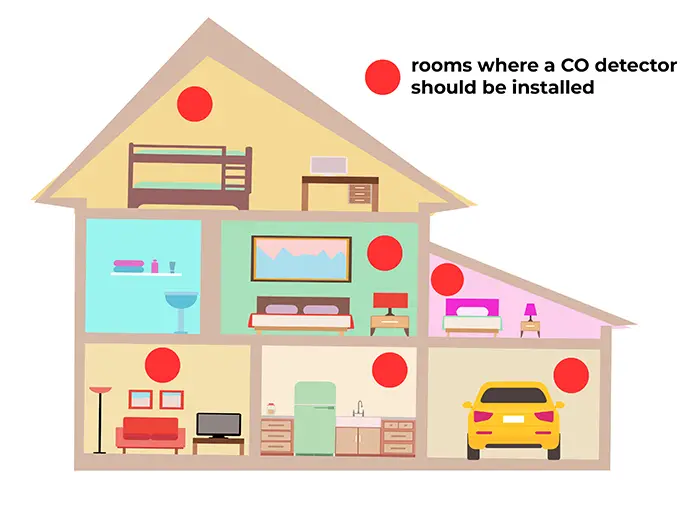
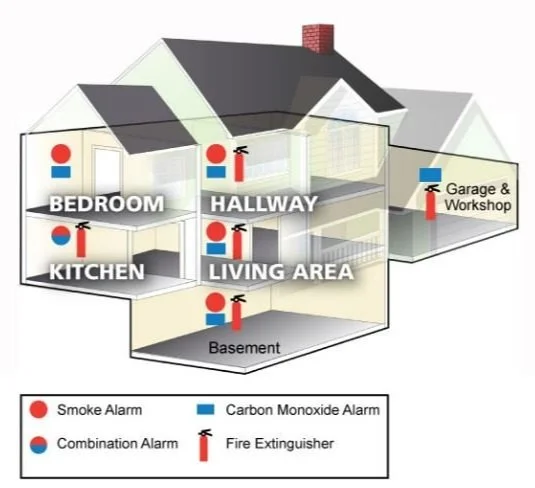
This is the big one. Your mantra should be: one carbon monoxide detector on every single level of your home. Yes, that includes the basement and any attic spaces where people might spend time or where appliances are located. Think of it like putting a seatbelt in every seat – essential for comprehensive protection.
Near Sleeping Areas is Key
Because CO poisoning can be particularly dangerous while you're asleep, placing detectors strategically near bedrooms is crucial. Aim for within 15 feet of each sleeping area. This doesn't necessarily mean inside every bedroom (though that's not a bad idea!), but definitely in the hallway or common area directly outside. You want that alarm to be loud enough to rouse even the deepest sleepers.
Close to Fuel-Burning Appliances (But Not Too Close)
Where does CO come from? Furnaces, water heaters, gas stoves, fireplaces, and even your car idling in an attached garage are common culprits. It makes sense to place detectors near these potential sources. However, here's the subtle art: don't place them directly next to the appliance. This can lead to false alarms from normal, trace amounts of CO during startup or combustion. A good rule of thumb is at least 5-20 feet away from these sources.
The Height Debate: Wall or Ceiling?
This one gets a bit nuanced! While smoke rises, CO mixes with air. Many manufacturers recommend placing CO detectors on a wall about 5 feet from the floor, or at ceiling level. Why the difference? CO is slightly lighter than air when it's hot, but generally disperses evenly throughout a room. Always check your specific detector's manual for its optimal placement, as different models might have different sensor designs. When in doubt, 5 feet off the floor is a safe bet for most units.
.jpg?format=2500w)
Where NOT to Put Your Detector
Just as important as knowing where to place them is knowing where to avoid. Steering clear of these spots will help prevent false alarms and ensure your detector functions optimally:
- In dead air spaces: Avoid corners, behind curtains, or behind large furniture where air circulation might be poor.
- Near vents, windows, or doors: Direct drafts can interfere with readings.
- In extremely humid or dusty areas: Think bathrooms, laundry rooms, or utility closets where excessive moisture or dust can damage sensors.
- In direct sunlight or near heat sources: Extreme temperatures can affect performance.
- Too close to cooking appliances: Normal cooking fumes can sometimes trigger false alarms.
Fun Facts & Smart Tips for CO Detectors
- They Expire! Yep, just like that yogurt in your fridge. Most CO detectors have a lifespan of 5-7 years. After that, the sensors become less reliable. Look for the "replace by" date on the back of your unit!
- Test Them Monthly! Give that "test" button a poke once a month, just like you would with your smoke detectors. It's a quick habit that offers huge peace of mind.
- Battery vs. Wired: While hard-wired detectors are great, battery-operated ones offer flexibility, especially for rentals or older homes without accessible wiring. Many modern units have 10-year sealed batteries – talk about low maintenance!
- Combo Units: Consider smoke and carbon monoxide detectors in one unit for double the protection and fewer devices on your walls. Efficiency for the win!
Ultimately, getting your carbon monoxide detector placement right is one of those small, proactive steps that makes a world of difference. It's not about fear; it's about empowerment. It’s about building a home that’s not just beautiful and functional, but genuinely safe and secure for everyone inside. So go ahead, give your detectors a quick check or plan out your new placements. Your future self (and your loved ones) will thank you for that sweet, sweet peace of mind.

