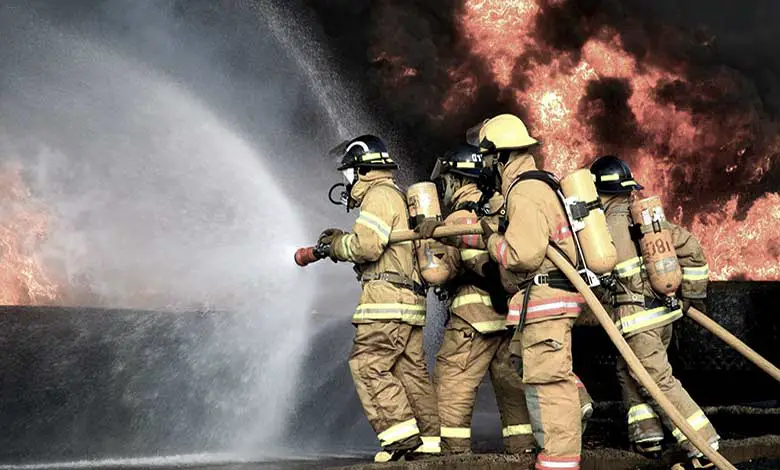
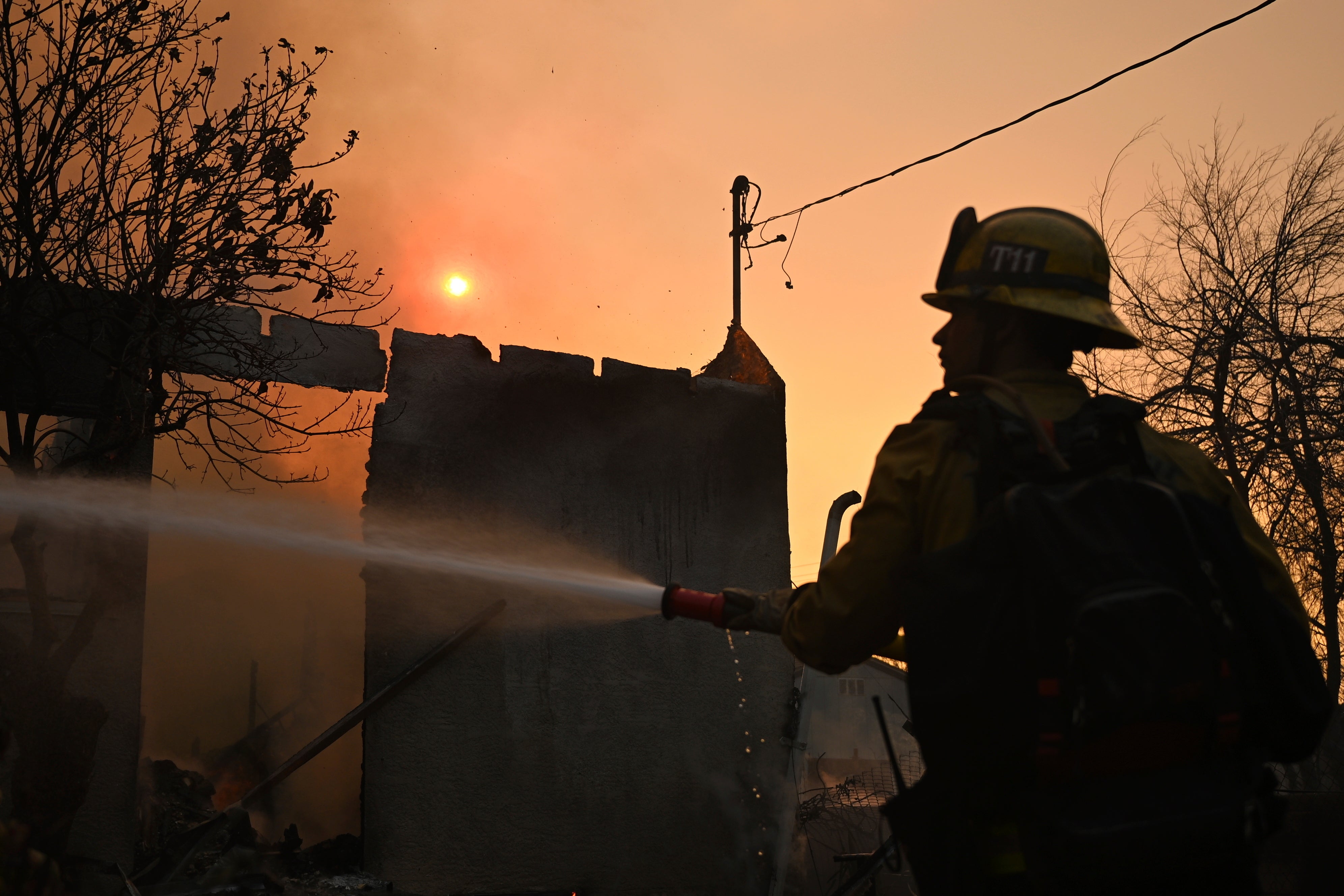
Imagine you're watching an action movie. A huge fire is raging near the coast, threatening everything in its path. Suddenly, someone has a brilliant idea: "Let's use the ocean! There's an endless supply of water right there!" Sounds like a perfect, common-sense solution, doesn't it? After all, water puts out fires. And the sea is full of water. It feels so natural to think that way!
But hold your horses! While that movie moment might look thrilling, in real life, using sea water to fight fires is almost always a very, very bad idea. It's one of those things where the obvious answer isn't actually the right one, which makes the truth rather special and quite surprising when you first hear it. It’s like discovering that wearing your socks on your hands doesn’t make you a better driver!
The Salty, Sticky Truth
The biggest problem, and the main reason firefighters give sea water a wide berth, is right there in its name: it's salt water. Not just a little bit of salt, but loads of it! That salt is a real troublemaker.
When you spray sea water onto a fire, especially a regular fire involving wood or fabric, the water itself does some work to cool things down. But as the water evaporates, the salt doesn't. Instead, it gets left behind. This salt then acts like a super-corrosive, sticky residue that clings to everything. Imagine pouring a giant salt shaker over your burning house. Not ideal, right?
Think about it: salt is notorious for causing corrosion. It eats away at metal. It ruins electronics. If firefighters used sea water on a house fire, they might put out the flames, but they'd leave behind a corrosive mess that would destroy everything else. Wires would short circuit, metal structures would weaken, and precious belongings would be ruined beyond repair. It’s a bit like fixing a leaky roof by setting the whole house on fire – technically no more leak, but at what cost?
Life-Saving Information! Why You Don't Use Water to Put Out an Oil Fire
And it gets worse for specific types of fires. For instance, with electrical fires, sea water is a huge no-no. Salt water conducts electricity much better than fresh water. Spraying it on live wires is asking for trouble – it can spread the electrical hazard, make the fire worse, or even electrocute the firefighters. That’s definitely not heroic!
What about fires involving certain metals? Some metals, when they burn, react violently with water, including salt water. Using it could cause explosions or make the fire much more intense. It's like adding gasoline to a bonfire instead of putting it out.
Here is why California can’t use ocean water to help fight the
Not Just Bad for Property, Bad for Equipment Too!
It's not just the burning building that suffers. Our brave firefighters rely on some pretty amazing, specialized equipment. Their hoses, pumps, and fire trucks are designed to handle fresh water, not salt. Pumping salty, gritty sea water through these machines would be disastrous. The salt would quickly corrode the internal workings of the pumps, clog the hoses, and reduce the lifespan of their expensive gear. It’s like trying to fill your car’s gas tank with sand – it just won’t work for long, and you’ll end up with a very broken vehicle.
Imagine the logistical nightmare of having to clean every single piece of equipment with fresh water after every single incident. It would slow down their response times and dramatically increase maintenance costs. Firefighters already have a tough job; we don’t want to make it harder by handing them tools that crumble under pressure!
Here's why firefighters can't use ocean water to put out the deadly LA
What About Other "Stuff" in the Sea?
Beyond the salt, the ocean isn't exactly a sparkling clean swimming pool everywhere. Depending on where you are, sea water can contain all sorts of other lovely things: sand, silt, marine organisms, debris, and sometimes even oil or pollutants. These contaminants can further clog equipment, reduce the effectiveness of the water, or even introduce new hazards to the fire scene. It’s a whole cocktail of problems!
So, What Do Firefighters Use?
The real heroes for extinguishing most fires are good old fresh water, often mixed with special foams or chemicals depending on the fire type. Fresh water cools, smothers, and reduces the fuel's temperature without leaving behind corrosive residue or damaging equipment. For certain fires, specialized extinguishers like dry chemical agents or carbon dioxide are used, precisely because water, even fresh water, isn't always the answer.
So, the next time you see a movie hero reaching for the ocean to fight a blaze, you’ll know the surprising, salty truth. While it sounds incredibly logical at first glance, the science and practicality tell a different story. Our firefighters are amazing, and they use the right tools for the job – and that very rarely includes sea water!