
How To Know When Your Septic Tank Needs Pumped
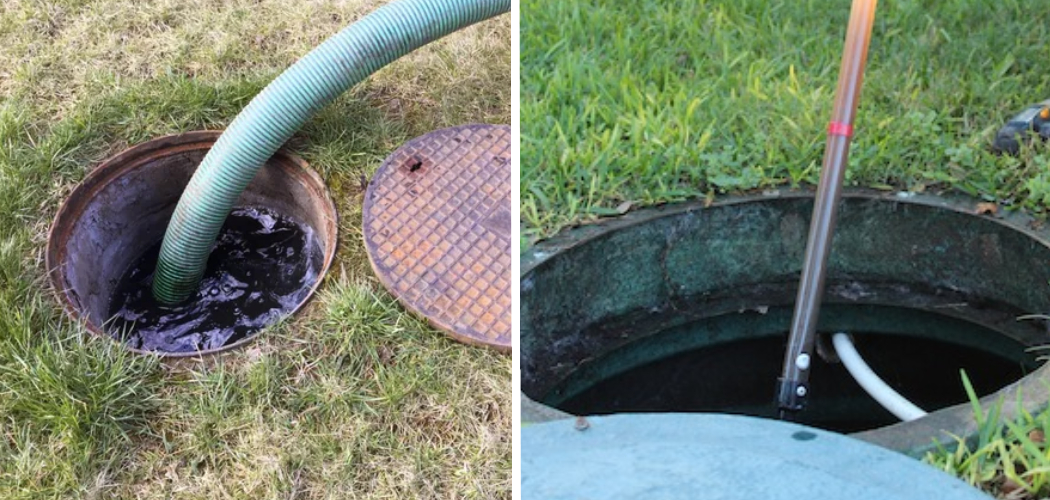
Ah, the joys of homeownership! There's something truly special about having your own little slice of heaven, isn't there? From perfectly manicured flowerbeds to that cozy reading nook you've always dreamed of, every detail contributes to your personal sanctuary. But beneath all that comfort and charm lies a hidden hero, a quiet workhorse that often goes unnoticed until… well, until it doesn't. We're talking about your septic tank, folks! And knowing when this unsung hero needs a little R&R (read: pumping) is key to keeping your home life running smoothly.
The Silent Guardian: Your Septic System
For those of us living the good life without city sewers, our septic system is our personal, on-site wastewater treatment plant. It's a marvel of simple engineering, quietly taking all the water from your sinks, showers, and toilets, separating the solids, and letting the treated liquid (effluent) slowly seep into your drain field. Think of it as your home's very own digestive system – and just like us, it occasionally needs to clear things out to stay healthy and happy. Neglect it, and things can get a little… backed up.
When Your Nose Knows: Foul Odors
Let's start with the most undeniable, impossible-to-ignore sign: smell. If you're catching a whiff of something less-than-pleasant, either indoors (especially near drains or the basement) or outdoors around your septic tank or drain field, it's a huge red flag. This isn't just an annoying aroma; it's your septic system literally crying out for help. Imagine that smell hitting you while you're trying to enjoy a backyard barbecue – no thank you! That odor indicates that gases aren't being properly contained, usually because the tank is too full, or the drain field is struggling.
Must Read
The Slow-Mo Show: Drains & Toilets
Ever notice your shower drain taking its sweet time to clear? Or your toilet flushing a little… hesitantly? These aren't just minor annoyances; they're often early warnings. Slow drains, especially in multiple fixtures throughout your home, can be a sign that the wastewater has nowhere to go because your tank is overflowing. It's like a traffic jam in your plumbing system. The ultimate tell-tale sign, of course, is a full-blown sewage backup – nobody wants to deal with that particular nightmare before their morning coffee!
Greener Grass (But Not in a Good Way!)
Here's a subtle one that often tricks folks: a patch of lawn that looks suspiciously vibrant and lush, almost too green, directly above your septic tank or drain field. While we all love a healthy lawn, this particular patch of verdant paradise is often a sign of trouble. It means that nutrient-rich effluent is surfacing or overflowing from your drain field, giving those grass blades an unsolicited, concentrated dose of fertilizer. While your neighbors might envy your suspiciously perfect lawn, you'll know it's time for action. Similarly, standing water or soggy areas in your yard, particularly after it hasn't rained, are a dead giveaway that your system is struggling to absorb the liquid waste.
The Pro Perspective: Sludge Levels
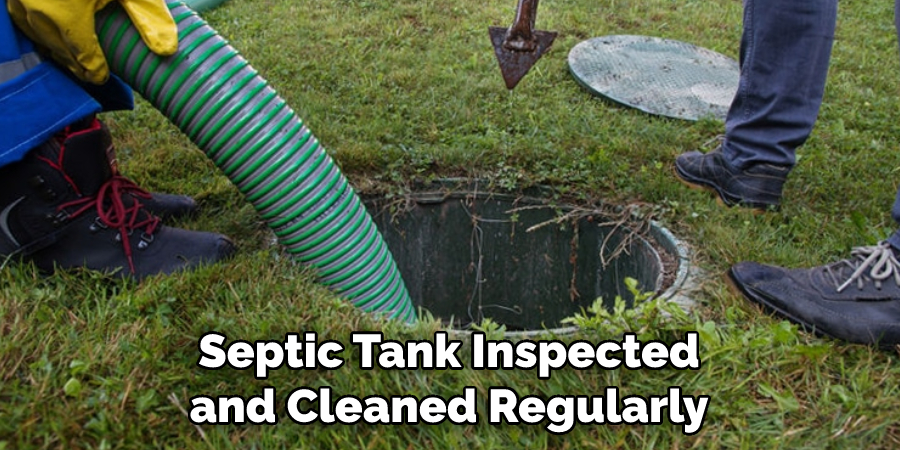
While the signs above are great indicators for homeowners, the most definitive way to know your tank's status is through a professional inspection. Septic tanks work by allowing solids to settle at the bottom (forming sludge) and lighter materials (scum) to float to the top. Over time, the sludge layer grows. A professional will measure the scum and sludge layers to determine if they've reached a critical level. Typically, if the bottom of the scum layer is within 6 inches of the outlet pipe, or the top of the sludge layer is within 12 inches, it’s time to pump!
Keeping Your Septic System Happy: Practical Tips
So, how often should you pump? It generally depends on the tank size, household size, and water usage. A good rule of thumb is every 3-5 years for most households. But here are some golden rules to extend its life and make those pumping appointments predictable:

- Watch What You Flush: Remember, your septic tank isn't a trash can! Only flush human waste and toilet paper. No "flushable" wipes (they're not!), feminine hygiene products, dental floss, or excessive grease.
- Conserve Water: Less water going into the system means less strain. Fix leaky faucets, take shorter showers, and use water-efficient appliances.
- Mind Your Drain Field: Don't drive or park heavy vehicles over it, and avoid planting trees or shrubs with aggressive root systems nearby.
- Schedule Regular Check-ups: Even if you don't think it needs pumping, a professional inspection every few years can catch small issues before they become big, expensive problems.
Did you know that septic systems have been around in various forms for thousands of years? Ancient Romans, for instance, had sophisticated sewer systems, but the modern septic tank, designed to treat waste on-site, really took off in the late 19th century. It's a testament to human ingenuity to manage waste in an environmentally sound way!
Your Home, Your Peace of Mind
Understanding when your septic tank needs a little love isn't just about avoiding a messy situation; it's about being a responsible homeowner and ensuring the long-term health of your property. By staying attuned to these subtle (and not-so-subtle) signals, you're not just preventing costly repairs; you're maintaining the comfort, hygiene, and overall value of your home. A happy septic system means a happy home, allowing you to focus on enjoying all those other wonderful aspects of your personal sanctuary, free from worry about what's lurking beneath the surface.

