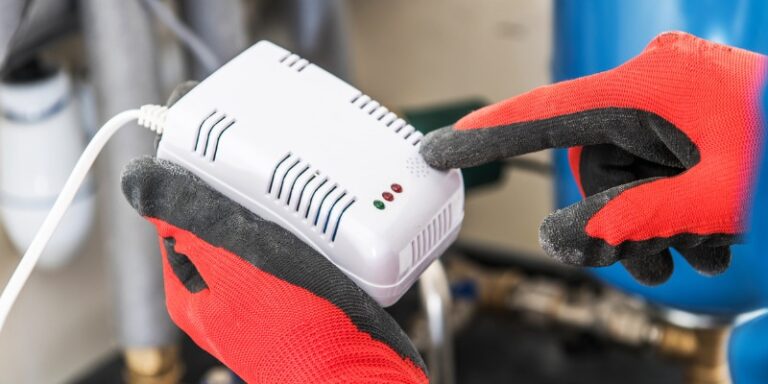
How Do You Know If You Have Carbon Monoxide Leak
Ever feel a bit under the weather? A nagging headache, maybe some dizziness, or just a general sense of being unwell? We all have those days. But what if those feelings aren't just a regular bug? What if they're a sneaky signal from something far more serious, something you can't see, smell, or taste?
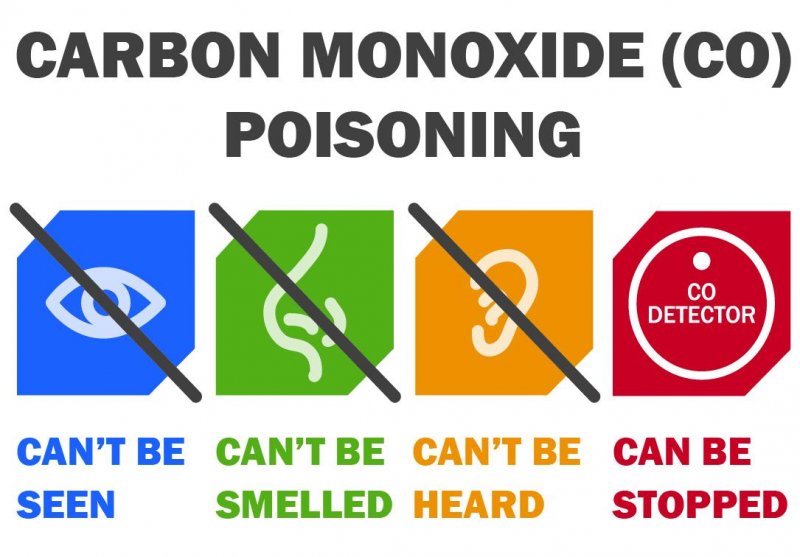
We're talking about Carbon Monoxide, often called the silent killer. It's truly a master of disguise. This invisible gas is produced when fuels like gas, oil, wood, or charcoal don't burn completely. Think about your furnace, your gas stove, your water heater, or even your car. When these aren't working right, CO can build up in your home, and that's where the danger lies.
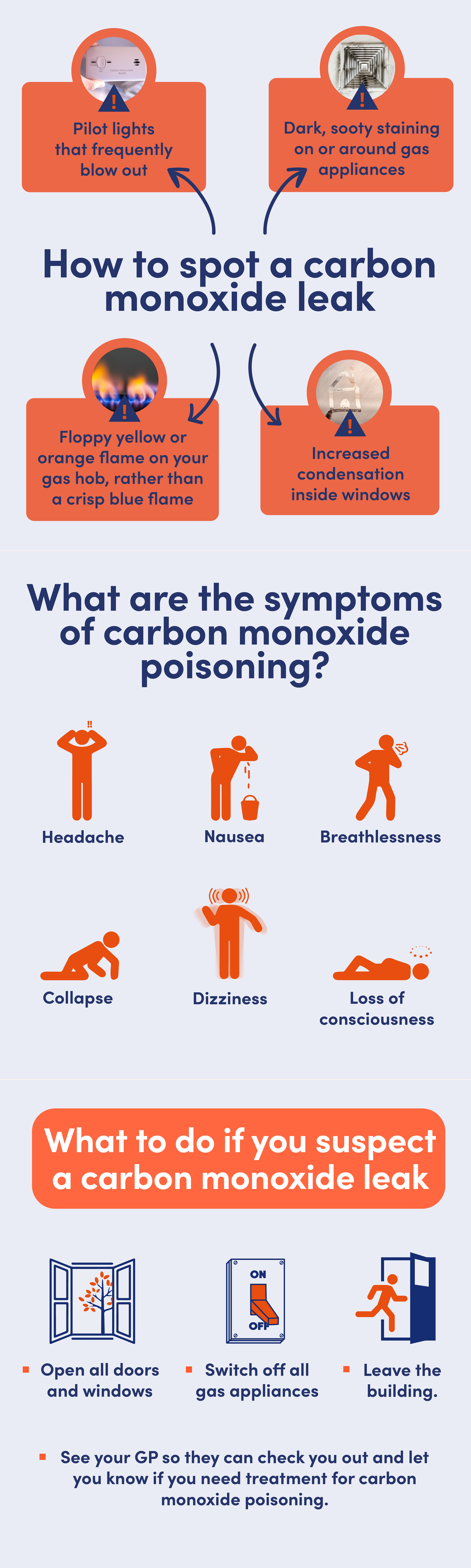
The Sneaky Symptoms: Your Body's Clues
One of the trickiest things about CO poisoning is that its initial symptoms often mimic common, everyday ailments. You might feel like you're coming down with the flu, but without the fever. That's right, no stuffy nose or sore throat to give it away, just a general feeling of being unwell.
Must Read
Here are the big signals to pay attention to:
- Headache: This is often the first and most common sign. It can range from dull to throbbing.
- Dizziness or Lightheadedness: Feeling a bit wobbly or like the room is spinning.
- Nausea or Vomiting: An upset stomach can be a major clue.
- Fatigue or Weakness: Feeling unusually tired, even after a good night's sleep.
- Shortness of Breath: Feeling breathless, especially during light activity.
- Confusion or Difficulty Concentrating: Your brain might feel foggy.
Here's a key point that makes these symptoms extra suspicious:
Do these symptoms seem to clear up when you leave your home and then return when you come back? If you notice this pattern, it's a huge red flag. It suggests something in your environment is making you sick. Maybe you feel better at work or out for a walk, but the headache returns shortly after you get home. Pay attention to that cycle!
What makes Carbon Monoxide so uniquely dangerous is its ability to bind to the red blood cells in your body much more effectively than oxygen. This essentially starves your organs of vital oxygen, leading to the symptoms above and, in severe cases, unconsciousness, brain damage, or even death.
The Unsung Hero: Your CO Detector
Since you can't rely on your senses (CO has no smell, no taste, no color), how do you truly know if you have a leak? Enter the superhero of home safety: the carbon monoxide detector! These little gadgets are your home's nose, ears, and eyes for this invisible threat.

Think of it like a smoke detector, but for gas. When CO levels in your home reach a dangerous point, your detector will blare an alarm, loud and clear, giving you crucial time to react and get to safety. It's the only reliable way to know about a leak before it affects your health.
Where to Put Them and What to Do
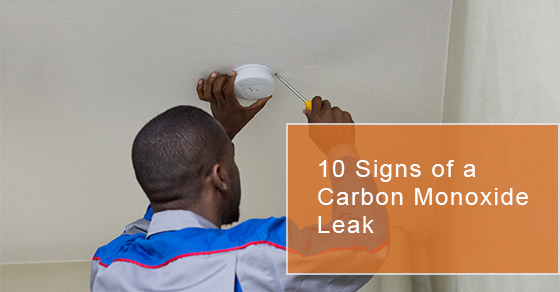
For maximum protection, you should have CO detectors on every level of your home, especially near sleeping areas. This ensures that if a leak starts while you're asleep, you'll be alerted immediately. Regularly check their batteries and replace them as recommended by the manufacturer, usually every 5-7 years for the unit itself.
What if the alarm goes off? Don't hesitate, don't second-guess! It's better to be safe than sorry. Here’s what to do:
- Evacuate Immediately: Get everyone, including pets, out of the house into fresh air.
- Call for Help: Dial 911 or your local emergency number. Tell them your carbon monoxide detector is alarming.
- Do Not Re-enter: Wait for emergency services to give you the all-clear. They have the right equipment to check your home safely.
Prevention is Your Best Defense
While detectors are crucial, a little prevention goes a long way. Make sure all your fuel-burning appliances – furnaces, water heaters, stoves, fireplaces – get annual maintenance by a qualified technician. Never run a car in an attached garage, even with the garage door open. Use gas or charcoal grills outdoors only. These simple habits can significantly reduce your risk.
So, next time you feel a bit off, especially with those lingering, flu-like symptoms that miraculously disappear when you're out of the house, let your mind connect the dots. Better yet, don't wait for symptoms. Invest in those wonderful carbon monoxide detectors. They are affordable, easy to install, and truly life-saving. Your peace of mind, and your health, are worth it!