How To Know If Carbon Monoxide Is In Your House

In our homes, we cherish comfort, warmth, and the feeling of security. Yet, there's an invisible, odorless, and tasteless guest that, if not addressed, can turn our sanctuary into a danger zone: carbon monoxide (CO). Often called the "silent killer," understanding CO isn't just a useful piece of knowledge; it's a life-saving necessity that every household should master.
While we might not think of household safety as a hobby, becoming proficient in CO awareness offers profound benefits that resonate with the deepest human desire for protection. For everyone, from new homeowners to seasoned residents, the ability to identify and mitigate this threat brings immense peace of mind. It’s about being a responsible guardian of your space and those you share it with. The biggest reward isn't a prize, but the quiet confidence that comes from knowing you've taken every step to keep your environment safe.
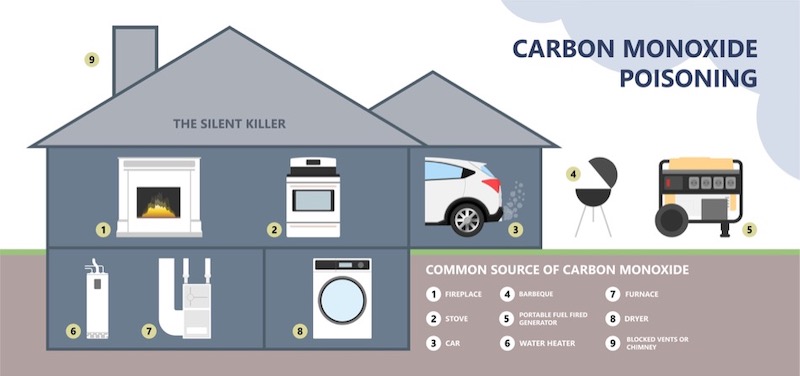
Carbon monoxide typically arises from the incomplete combustion of carbon-based fuels. Think of common household appliances like your furnace, gas water heater, gas stove, fireplace, or even a barbecue grill used improperly indoors. External sources like vehicle exhaust from an idling car in an attached garage can also be culprits. The insidious danger lies in its symptoms, which are often subtle and easily mistaken for the flu: a dull headache, dizziness, nausea, weakness, confusion, or shortness of breath. Prolonged exposure, or higher concentrations, can lead to unconsciousness, brain damage, and death. Recognizing these critical warning signs is paramount.
Must Read
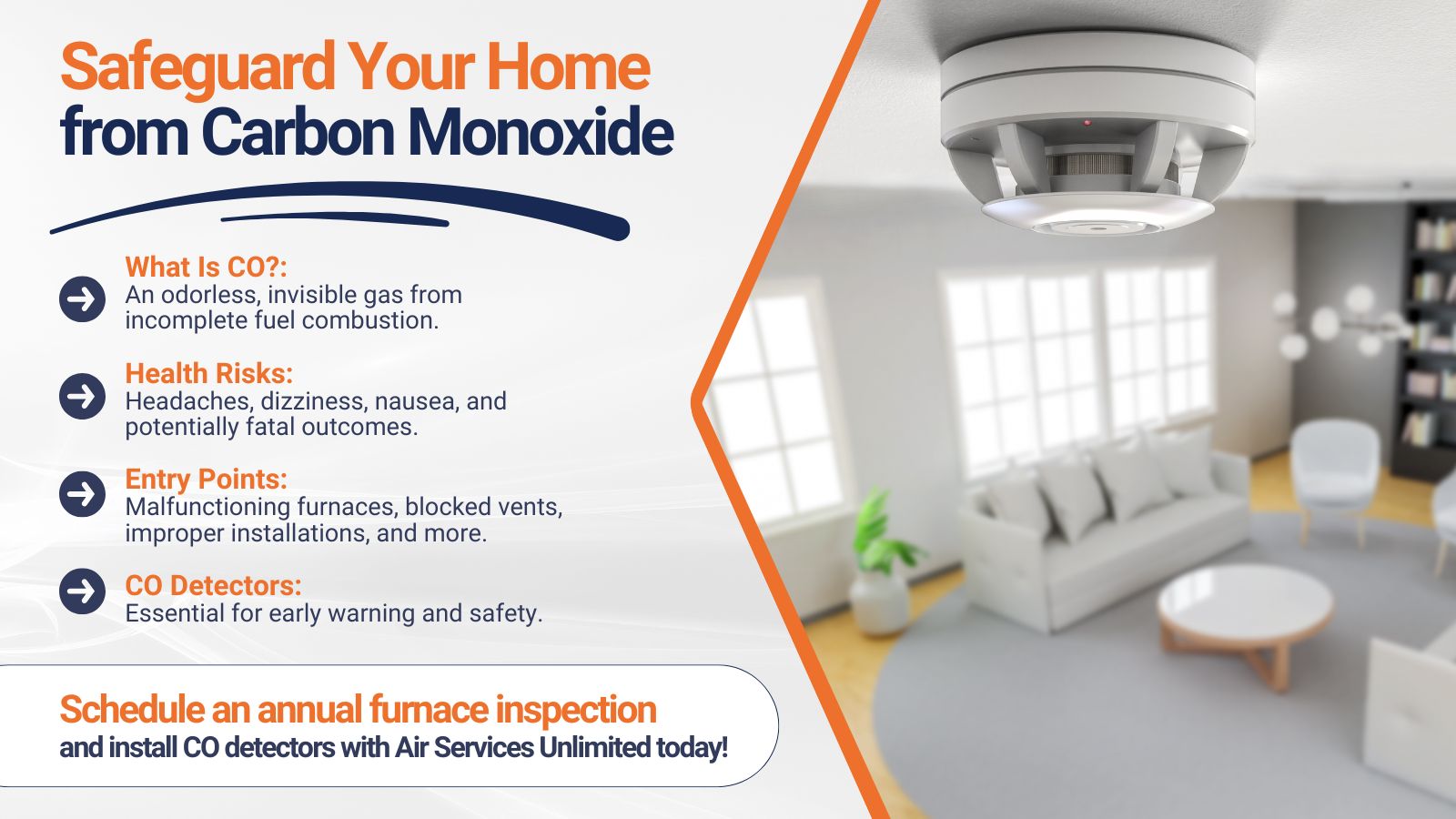
So, how do you become an expert in safeguarding your home? The most crucial step is installing carbon monoxide detectors. These are not optional; they are essential. Place them on every level of your home, especially near sleeping areas. They come in various forms: battery-operated, plug-in with battery backup, and hardwired units. Regularly test your detectors by pressing the test button – it’s a quick check that ensures they are always vigilant. Beyond detectors, ensure all fuel-burning appliances are professionally inspected and serviced annually. Keep appliance vents and flues clear of debris. Never use a gas oven or range for heating, and absolutely never run a generator inside your home or garage, even with doors open. Proper ventilation is always key.
There's a unique satisfaction that comes from being truly prepared for potential dangers, especially those you cannot see. Taking proactive steps against carbon monoxide isn't just about following rules; it's about embracing a mindset of vigilant care for your family and yourself. This isn't a lighthearted pursuit in the typical sense, but the feeling of security and the quiet triumph of knowing you’ve protected what matters most is profoundly enjoyable and deeply reassuring. It empowers you with the knowledge to potentially save lives and live with unwavering confidence in your home's safety.