How Do You Know What Wattage Your Microwave Is

Ever stared at a recipe that says, "Microwave for 3 minutes at 1000 watts," and thought, "Wait, how do I know what wattage my microwave is?" You're not alone! It might seem like a small detail, but understanding your microwave's wattage is actually a pretty neat bit of kitchen know-how. It's useful, surprisingly fun in a "kitchen detective" sort of way, and can seriously upgrade your cooking game from merely "nuking" to truly "microwaving with precision." It's about taking the guesswork out of meal prep and ensuring your food comes out perfectly heated, every time.
So, who benefits from this nugget of information? Pretty much everyone! For beginners and new cooks, knowing your wattage is like having a secret weapon. It helps you follow recipes accurately, preventing the dreaded overcooked edges or still-cold centers. No more wondering why your frozen dinner instructions don't seem to work quite right! For busy families, it means more consistent and efficient reheating of leftovers, perfect popcorn, and safely warmed baby food without scorching. And for the more adventurous kitchen hobbyists, understanding wattage opens up a world of experimentation, allowing you to adapt recipes, understand cooking times better, and even troubleshoot why that mug cake isn't quite rising as it should. It gives you control over one of your most used appliances.
Microwaves come in a surprising range of power. You'll often find compact models starting around 700-900 watts, while standard household microwaves usually fall between 1000-1200 watts. Then there are the powerful, often convection-combo models, pushing 1500 watts or more! The key difference? Time. A recipe designed for a 1000-watt microwave will need significantly longer in a 700-watt model, and vice-versa. Think about it: cooking a jacket potato might take 8-10 minutes in a 1000W microwave, but could easily be 12-15 minutes in a 700W one. Many recipes assume a 1000W or 1100W microwave as a baseline, so knowing your own wattage helps you make those crucial time adjustments on the fly, saving you from a disappointing meal. Some modern microwaves also feature "inverter technology," which delivers a constant power stream, unlike older models that might cycle between full power and off, leading to more even cooking results regardless of the displayed wattage.
Must Read
Ready to unlock your microwave's true potential? Here are some simple, practical tips for discovering its wattage:
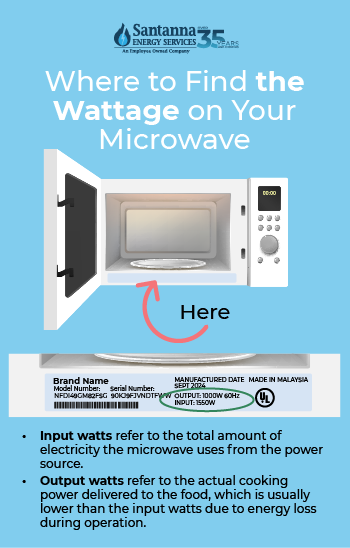
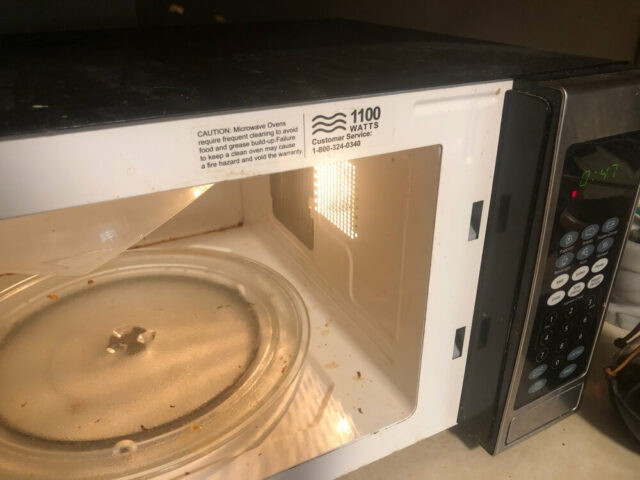
- Check the Label: This is your best bet. Look on the back of the microwave, inside the door frame (often along the bottom or side edge), or sometimes even underneath the appliance. You're searching for a sticker that lists specifications, usually including "Output Power" or "Rated Power" in watts (W).
- Consult the Manual: If you've kept the user manual (kudos to you!), a quick flip through will usually reveal the microwave's exact specifications, including its wattage.
- Look Online: Can't find the label or manual? No problem! Jot down your microwave's model number (usually found on the same label you'd check for wattage) and type it into your favorite search engine along with "wattage." Chances are, you'll find the information on the manufacturer's website or an appliance retailer's page.
So, there you have it! Knowing your microwave's wattage isn't just a trivial fact; it's a small piece of knowledge that brings a lot of value to your everyday cooking. It's about gaining confidence, achieving better results, and ultimately, making your time in the kitchen more enjoyable and less prone to culinary mishaps. Take a moment to find out your microwave's power – you might just discover a new level of kitchen efficiency you never knew you were missing!