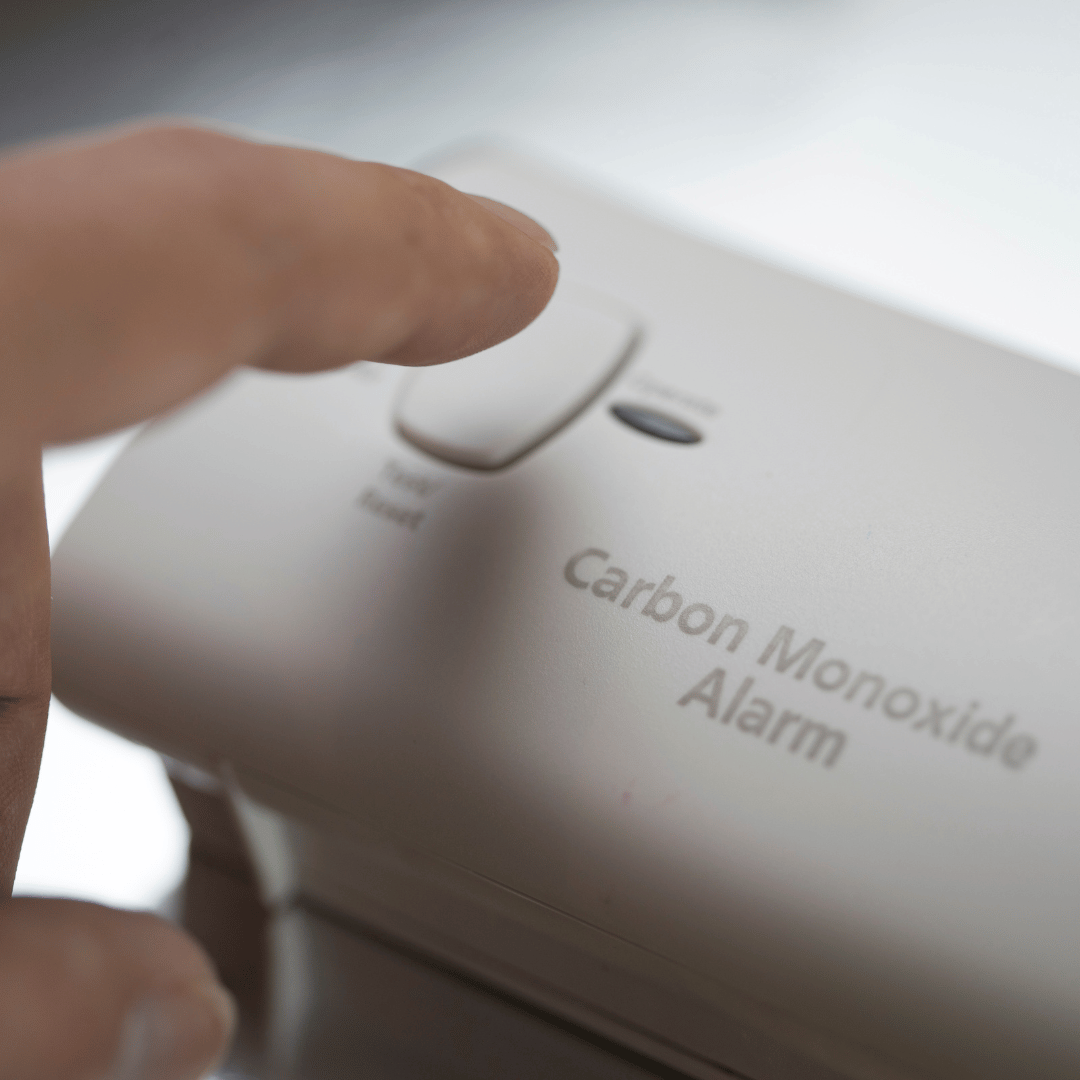
Who To Call When Carbon Monoxide Alarm Goes Off
We all encounter alarms in our daily lives, don't we? From the gentle reminder on our phones to the blaring siren of a smoke detector, they're designed to grab our attention for a reason. But there's one particular alarm that, when it goes off, can leave many of us scratching our heads and wondering, "Now what?" We're talking about the carbon monoxide alarm. It's a fantastic piece of safety tech, quietly standing guard in our homes, and understanding what to do when it signals is not just smart, it's genuinely empowering.
Think of it as solving a miniature mystery with potentially huge stakes. Carbon monoxide (CO) is often called the "silent killer" because it's an invisible, odorless, and tasteless gas. This makes its alarm our absolute best friend, our superhero in a small plastic box. Its primary purpose, then, is to be our senses when we have none, alerting us to the presence of this dangerous gas before it can harm us. The benefit of knowing exactly who to call and what steps to take means turning a moment of potential panic into a moment of decisive action, ensuring everyone's safety and well-being. It's about being prepared, not scared!
This kind of crucial knowledge isn't just for emergency responders; it's a vital part of everyday life and education. You might encounter discussions about CO safety in a basic home economics class, a community first-aid course, or even during a fire safety presentation at school or work. In our daily lives, this information truly shines. Imagine you're visiting a friend, and their CO alarm starts chirping insistently. Instead of confusion, you'd know exactly what immediate, life-saving steps to suggest. Or, more directly, what if it's your own alarm? Knowing the right protocol means you can protect your family and pets without delay. It’s also a gentle nudge to regularly check those gas appliances like your furnace or water heater, ensuring they’re properly vented and maintained – preventing the problem before it even starts.
Must Read
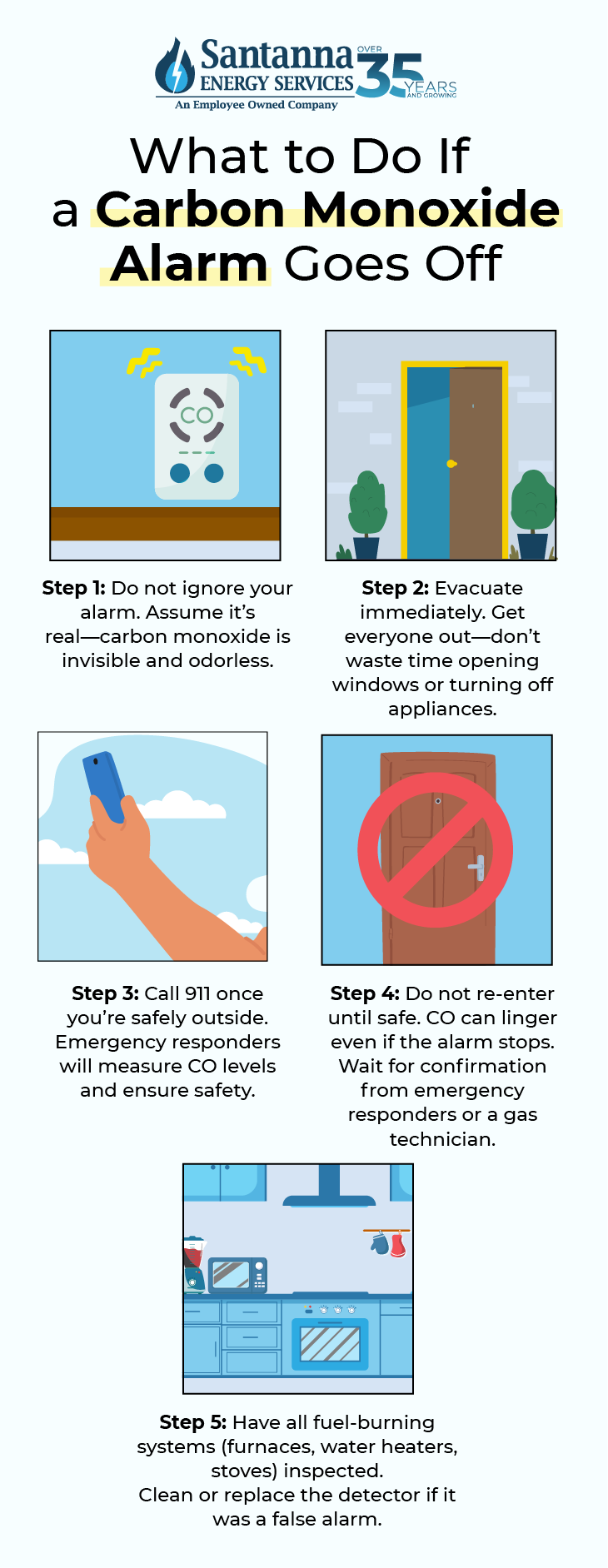
So, let's get to the heart of the matter and explore some practical tips. When that carbon monoxide alarm sounds, the single most important action is to get everyone out of the house immediately. Yes, that includes pets! Don't delay to investigate, even if you feel fine. CO poisoning can sneak up on you. Once you're safely outside and a good distance away from the building, the answer to "who to call" is straightforward: dial 911 (or your local emergency number). The fire department is the agency equipped to handle CO incidents. They have specialized detection equipment, can identify the source of the leak, and ensure your home is safe before anyone re-enters. Don't call a gas company or a plumber first, as their response might not be as immediate or comprehensive for an active emergency. To explore this further, take a moment to locate your CO alarms, test them (there’s usually a ‘test’ button!), and make sure you have one on every level of your home, especially near sleeping areas. A little proactive knowledge goes a long, long way in keeping our cozy spaces truly safe.