Why Did My Smoke Detectors Go Off For No Reason

Ah, the dreaded symphony of the smoke detector! You’re just minding your own business, perhaps enjoying a quiet evening or a peaceful morning, when suddenly – BEEP-BEEP-BEEP-BEEP! Your heart leaps into your throat, a jolt of adrenaline courses through you, and you scramble to figure out what’s happening. Is the house on fire? Did I leave something on the stove? More often than not, after a frantic search, you find… absolutely nothing. Just a very, very loud detector that seems to have gone off for “no reason.” Sound familiar?
This common, albeit startling, experience is actually quite fascinating, and understanding it can save you future panic attacks (and maybe a few dinners). Smoke detectors are, at their core, incredible little guardians. Their primary purpose is simple and profoundly important: to detect smoke and alert us to a potential fire, giving us precious minutes to escape. These silent sentinels are undeniably life-savers, reducing fatalities in home fires by more than half. They work by detecting tiny particles in the air – either through ionization technology (which senses invisible combustion particles from fast-flaming fires) or photoelectric technology (which is better at detecting visible particles from slow, smoldering fires, and is often less prone to cooking alarms).
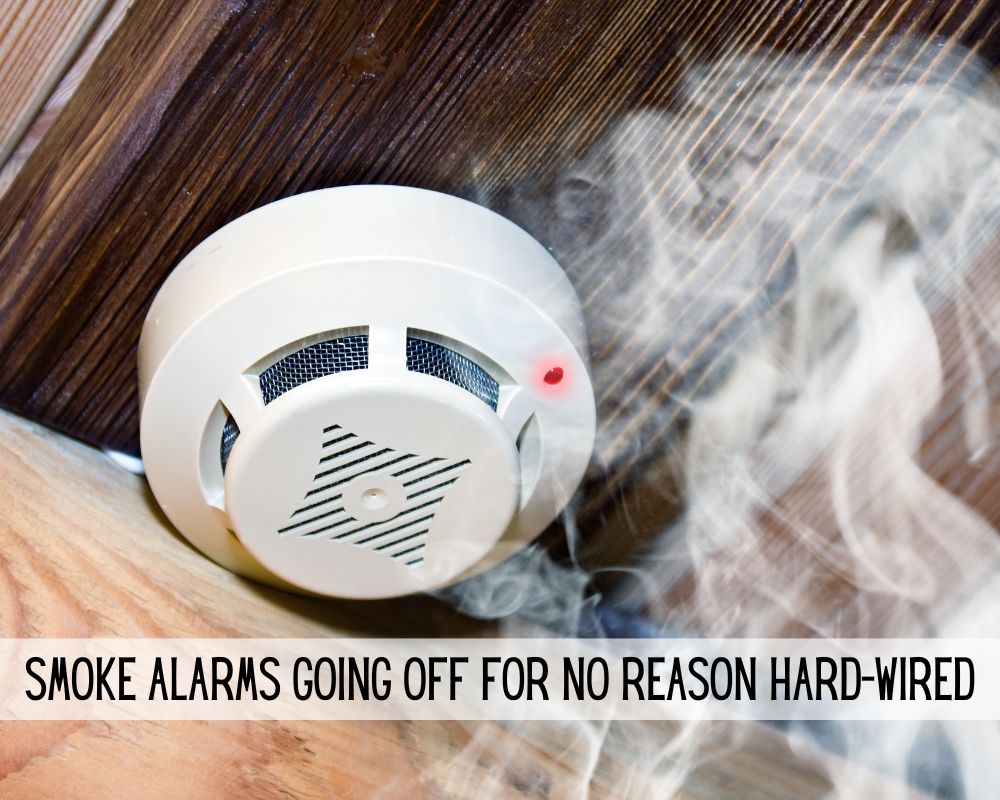
So, if they're so smart, why do they sometimes seem to act so… dumb? The truth is, they're rarely going off for no reason. Their hyper-sensitivity, which is crucial for safety, can sometimes mistake common household occurrences for danger. Think of burnt toast – those carbonized crumbs release particles that look a lot like smoke to a detector. Steamy showers, especially if the bathroom is near a detector, can also trigger them, as water vapor particles can scatter light in a similar way to smoke. Even dust accumulation inside the detector itself can cause a false alarm, as the dust particles interfere with the sensor. In education, understanding these nuances helps us appreciate the technology while also teaching us to be more observant of our environment. In daily life, it means less unnecessary panic and more informed responses.
Must Read
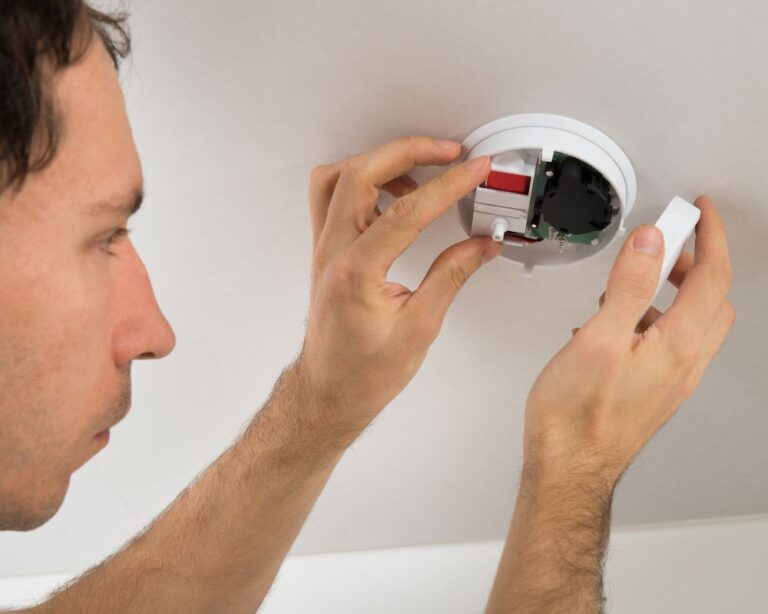
If your smoke detector is staging a false alarm concert, here are a few practical tips to explore what’s happening. First, and always, assume it's a real fire until proven otherwise. Once you've confirmed there's no actual blaze, look for the usual suspects: did you just finish cooking? Is the bathroom door open after a hot shower? If not, try pressing the test button to ensure it’s working correctly. A common culprit is a low battery – many detectors will emit a persistent chirping sound to indicate this, but sometimes a dying battery can cause intermittent full alarms. A simple battery replacement often solves this. Another key tip is to clean your detector regularly. Gently vacuuming around the vents can remove dust and insects that might be interfering with the sensor. Finally, remember that smoke detectors have a lifespan, typically 8-10 years. If yours is older than that, it might be time for a replacement. By understanding these clever devices, we can better appreciate their watchful presence and minimize those startling, "for no reason" alarms.