
How To Know If Your Septic Drain Field Is Bad

Okay, let's get real for a sec. We need to talk about something that isn't exactly a dinner party topic. But trust me, it's fascinating. And super important. We're diving into the mysterious, underground world of your septic system, specifically its often-forgotten hero: the drain field. Yes, we’re talking about poo and pipes, and it’s going to be a blast!
Why talk about this glorious topic? Because knowing if your septic drain field is having a bad day can save you a mountain of headaches, a sea of mess, and a wallet-emptying disaster. Think of yourself as a detective, sniffing out clues. Or a gardener, noticing suspicious patches. Or just someone who likes their indoor plumbing to work, you know?
What Is This "Drain Field" Thing Anyway?
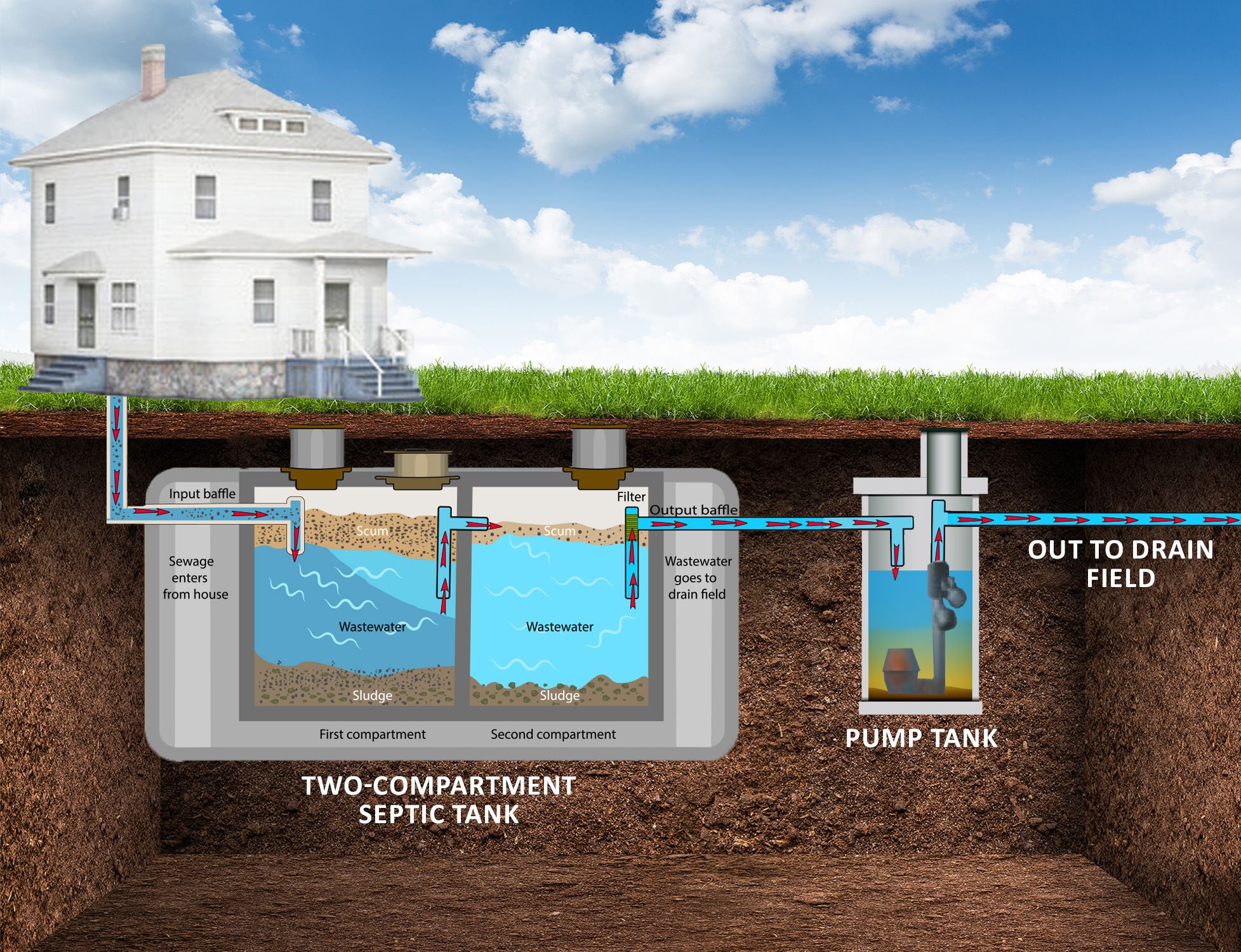
Imagine your house's wastewater — all the stuff that goes down your sinks, showers, and toilets (yes, that stuff) — heading to a big underground tank. That's your septic tank. It separates the solids from the liquids. But where do the liquids go? Ah, that’s where the drain field comes in!
Must Read
It's like the earth's own natural filtration system. A network of perforated pipes buried under your lawn. The treated liquid, called effluent, trickles out of these pipes and is absorbed and purified by the soil. It's truly a marvel of engineering and nature working together! The unsung hero, silently doing the dirty work. Literally. So, when it's sick, things get... interesting.
Your Septic System’s SOS Signals: How to Know If Your Drain Field Is Bad
Time to put on your detective hat! Here are the tell-tale signs that your drain field might be waving a little white flag (or, more accurately, sending up a stinky, squishy signal).

1. The Unmistakable Odor: "Eau de Septic"
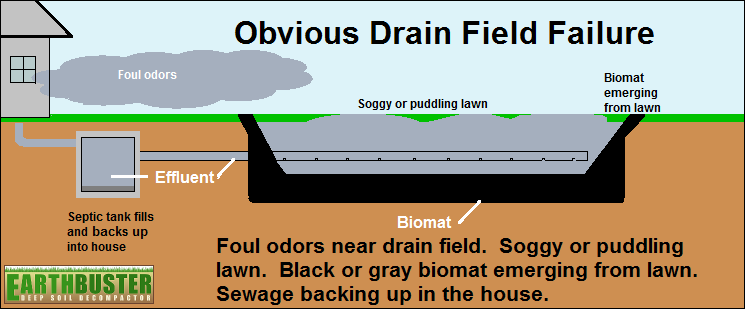
This is usually the first and most obvious clue. You'll catch a whiff of something decidedly unpleasant outdoors, especially near your drain field. We're talking about a strong, sewage-y smell. It's not a subtle hint; it's a full-on olfactory assault. If your backyard starts smelling like a perpetually backed-up port-a-potty, your drain field is probably screaming for help. This is your nose acting as a high-tech septic sensor. Pretty cool, right?
2. Mysterious Puddles & Squishy Lawns
Ever notice standing water or really soggy, squishy ground in your yard, especially over the drain field area? And it’s not just after a huge rainstorm? This is a major red flag. If the soil can't properly absorb the effluent, it has nowhere to go but up! You might even see a brownish or yellowish liquid bubbling up. This is wastewater that hasn't been properly treated, and it's definitely not good for lawn picnics. Or anything, really.
3. The Grass is Too Green: A Quirky Clue!
Here’s a fun, counter-intuitive one! You might spot patches of grass that are suddenly super vibrant, lush, and greener than the rest of your lawn. While usually a sign of health, in this context, it means your grass is getting an unintended fertilizer boost. That's right, the wastewater is acting like a nutrient-rich smoothie for your lawn, but it's a sign that it's surfacing prematurely. It's like nature trying to put lipstick on a pig, but the pig is a failing drain field.
4. Slow Drains and Toilet Troubles
Are your toilets flushing sluggishly? Do your sinks take ages to drain? If multiple fixtures throughout your house are struggling, and a simple plunger isn't cutting it, the problem might be further down the line – literally. A failing drain field can cause a backup in your entire septic system, creating that dreaded plumbing slowdown. It’s like a traffic jam in your pipes, all because the final exit is blocked.
5. Gurgling Sounds from Your Drains
Listen closely! Sometimes, before the full-blown backup, you might hear strange gurgling noises coming from your drains or toilet when you use other water fixtures. This can indicate that air is getting trapped in the system due to poor drainage, struggling to push through the backed-up effluent. It’s the sound of your plumbing trying to tell you it's having a meltdown.
6. Sewage Backup Indoors (The Absolute Worst-Case Scenario)
This is the big one, the nightmare, the "oh-no-they-didn't" moment. If sewage starts backing up into your sinks, tubs, or even coming out of your floor drains, your drain field has likely failed spectacularly. This isn't just a sign; it's a full-blown emergency. It's when you realize just how much you appreciate a functioning septic system. And perhaps why you shouldn't have scoffed at reading this article!
Why Do Drain Fields Go Bad?
Often, it's just age. Nothing lasts forever! But sometimes, it's wear and tear:
- Too much water: Constantly overloading the system can exhaust it.
- Flushing forbidden items: Wipes, grease, harsh chemicals – they’re all villains!
- Tree roots: Nature finds a way, sometimes right into your pipes.
- Heavy traffic: Driving or parking cars over your drain field can compact the soil and crush pipes. Ouch!
Don't Panic! But Do Call a Pro.
If you're noticing any of these signs, don't fret too much, but definitely don't ignore them. A failing drain field won't fix itself. In fact, it will only get worse, potentially leading to much more expensive repairs and environmental hazards. Your best bet is to call a septic system professional. They’ve got the tools, the know-how, and probably a much stronger nose than yours.
So there you have it! Who knew talking about septic drain fields could be so... enlightening? You’re now equipped with the insider knowledge to spot a septic system in distress. Be a good homeowner, listen to your lawn, and keep those drains happy. Your wallet, your nose, and your family will thank you!