Where Should A Carbon Monoxide Alarm Be Placed

In the grand symphony of home comfort and safety, some instruments play a more subtle yet absolutely vital role. We often celebrate the vibrant hues of art or the intricate patterns of a new hobby, but what about the silent guardians that work tirelessly behind the scenes? Today, we're shining a light on one such hero: the carbon monoxide alarm. It might not inspire a masterpiece directly, but its proper placement ensures the peace of mind that allows us to pursue our passions and enjoy our homes without a shadow of an unseen threat.
Think of the carbon monoxide alarm not as a mundane device, but as your home’s personal invisible shield. For everyone – families, individuals, and even our furry friends – understanding CO alarm placement is a foundational act of care. Unlike a fire alarm, which alerts us to visible smoke or intense heat, a CO alarm stands guard against an enemy we can’t see, smell, or taste. This colorless, odorless gas, often dubbed the "silent killer," makes the alarm the only early warning system you have. Investing a little thought into its location is a direct investment in the health and safety of everyone under your roof, allowing you to breathe easy and focus on the joys of life.
So, where should this silent protector stand its ground? Let's explore some key placements to ensure maximum effectiveness:
Must Read
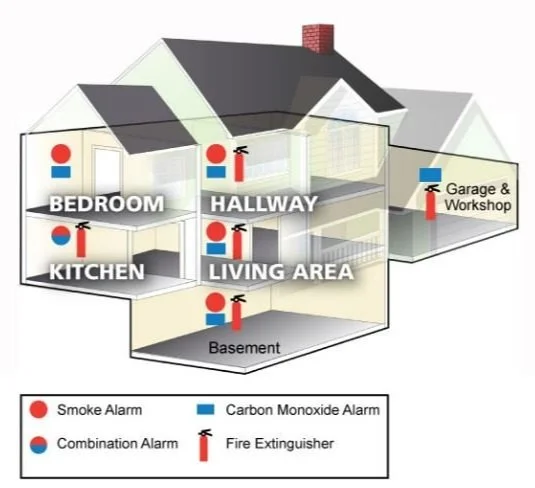
- Near Every Sleeping Area: This is paramount. Carbon monoxide poisoning often occurs while people are asleep. Placing an alarm inside or directly outside each separate sleeping area ensures that its alert will wake occupants in time. Think of it as an extra-vigilant bedtime story monitor.
- On Every Level of Your Home: CO gas mixes with air and disperses evenly, so having an alarm on each floor, including the basement, provides comprehensive coverage. Consider stairwells or central hallways as ideal spots on upper levels.
- Near Fuel-Burning Appliances: While alarms shouldn't be directly on top of a furnace or water heater (to avoid nuisance alarms from combustion byproducts), placing one in the general vicinity of such appliances, like in a utility room, is a smart move. This includes gas stoves, fireplaces, and clothes dryers.
Ready to give your home this essential layer of protection? Here are some simple tips for ensuring your CO alarms are ready for duty:
- Read the Manual: Every alarm is a little different. Your device's manufacturer instructions are your best guide for specific placement recommendations and proper mounting (wall vs. ceiling).
- Avoid Dead Zones: Don't place alarms too close to fresh air vents, fans, or directly in front of windows and doors, as drafts can interfere with accurate readings. Also, keep them away from humid areas like bathrooms or areas with extreme temperature changes.
- Test Regularly: Most alarms have a "test" button. Make it a habit to press it monthly. You test your smoke alarms, right? Do the same for your CO alarms!
- Check Batteries and Expiration Dates: If your alarm is battery-powered, replace batteries annually. More importantly, CO alarms have a lifespan, usually 5-7 years. Mark the installation date and replace the unit when it expires, even if it seems to be working.
Ultimately, while a carbon monoxide alarm isn't "enjoyable" in the way a new hobby might be, the profound sense of safety and security it provides certainly is. It’s about equipping yourself with knowledge and taking simple, proactive steps to safeguard what matters most. There's immense satisfaction in knowing you've created a protected environment, freeing up your mental space to truly enjoy your home and all the wonderful, creative, and relaxing moments within it. That, in itself, is a truly inspiring outcome.

.jpg?format=2500w)