
How Do I Check The Crime Rate In A Neighborhood

Hey there, future neighborhood explorer! So, you're on the hunt for a new pad, and your brain is buzzing with all sorts of questions. One of the biggies? "Is this place actually safe?" Totally valid! Nobody wants to move into a place where they feel like they need a secret handshake to leave the house. Figuring out a neighborhood's vibe and safety level might seem like a job for Sherlock Holmes, but don't worry, it's actually pretty straightforward. Think of me as your Watson for this little adventure. Let's dig in!
First off, let's get one thing straight: no place is 100% crime-free. Not even that quaint little village in a fantasy novel. But you can absolutely get a good feel for a neighborhood's general safety. Here’s your toolkit for becoming a crime-rate detective:
Your First Stop: Official Police & Government Websites
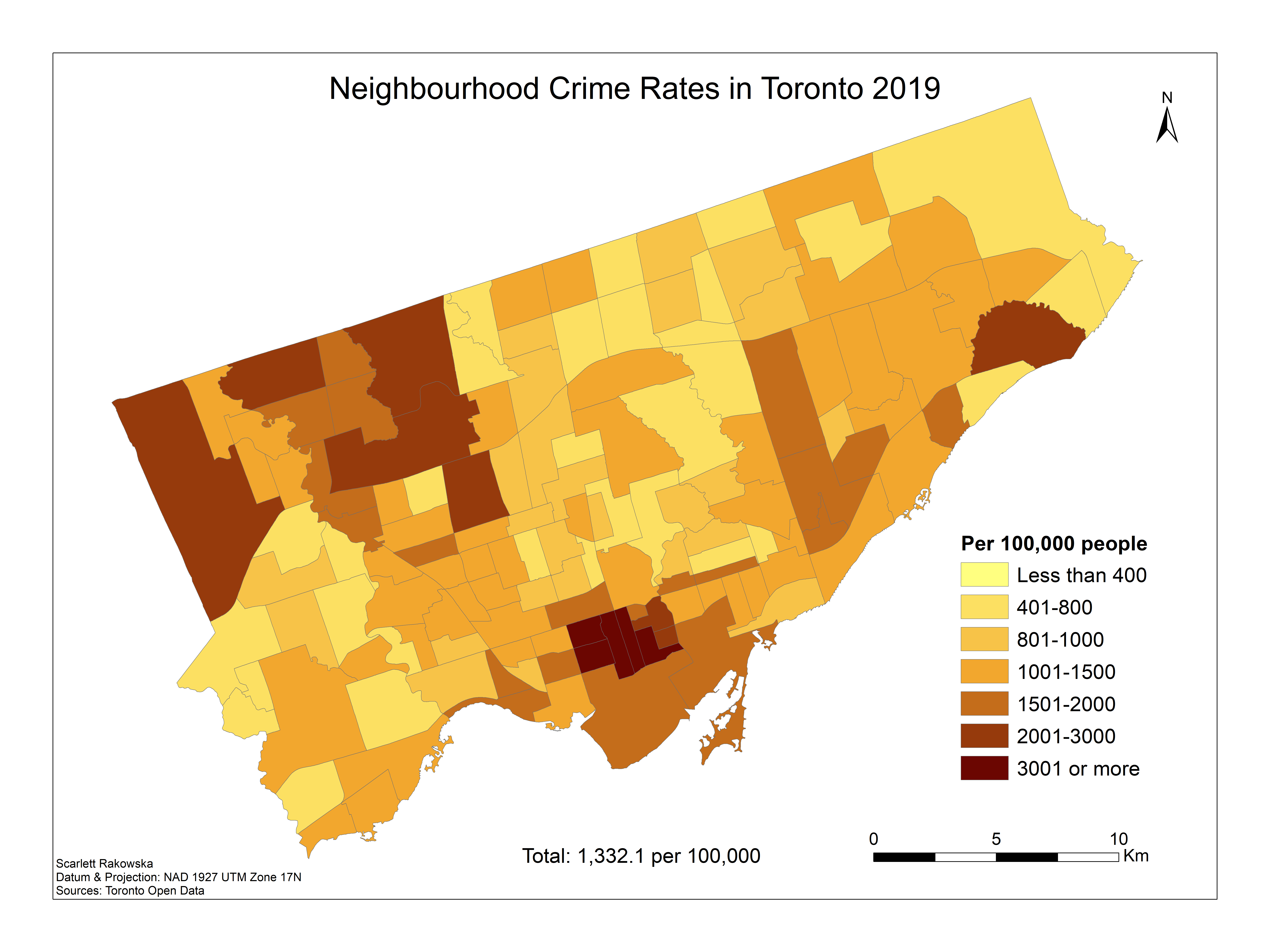
Alright, time to put on your serious investigator hat (maybe a cute fedora?). Your absolute best bet for reliable data is to go straight to the source. Most local police departments or sheriff’s offices have websites that are surprisingly user-friendly. Look for sections like "Crime Statistics," "Crime Maps," or "Public Records."
Must Read
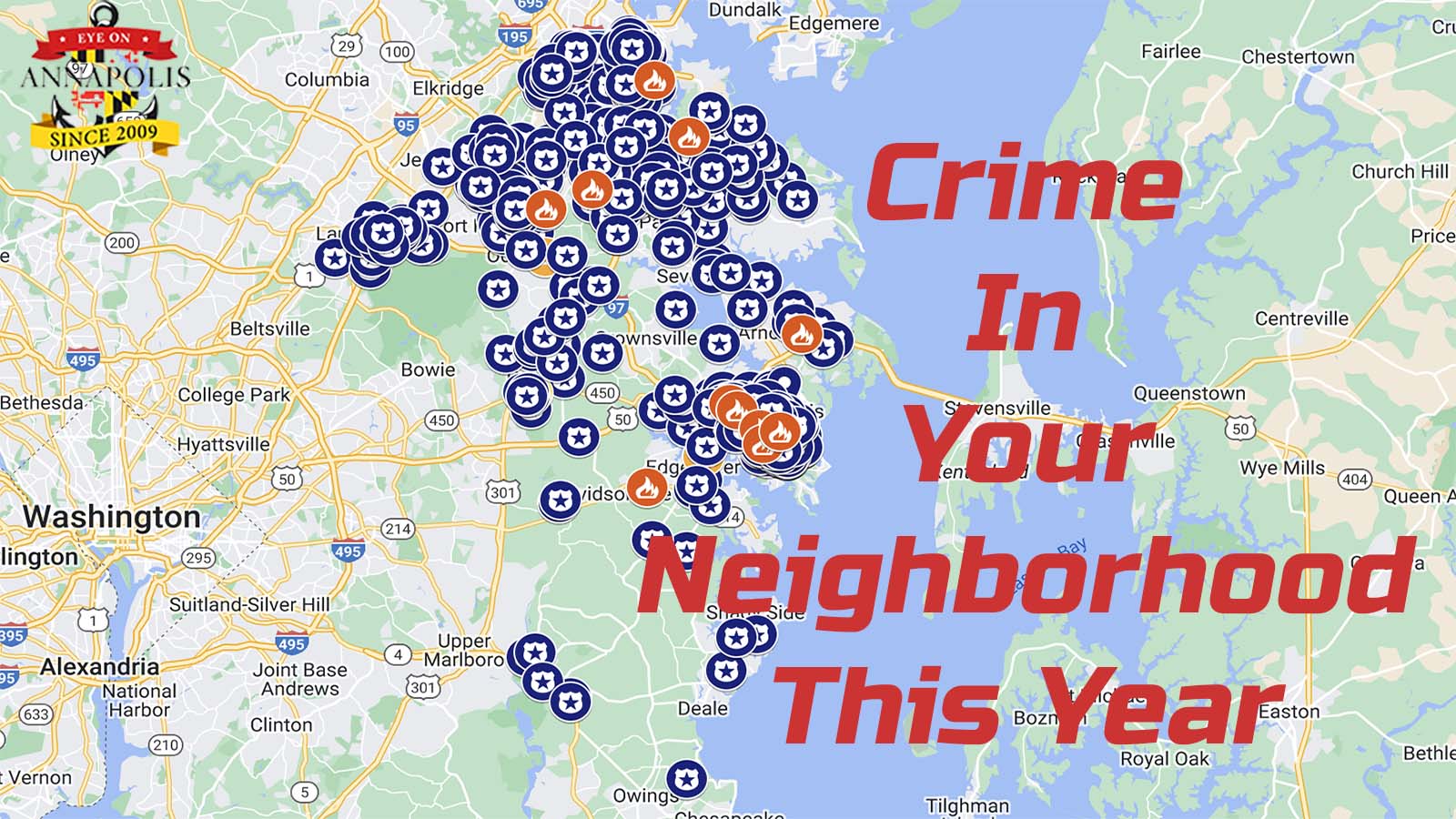
Many cities offer interactive crime maps where you can plug in an address and see reported incidents over a specific time period. It’s like Google Maps, but instead of finding the nearest coffee shop, you’re looking at ... well, crime. This data is often official and updated regularly, giving you a really solid picture. It's fantastic for seeing patterns, not just isolated incidents.
Pro tip: Don't just look at the number of incidents. Pay attention to the types of crimes. A high number of petty thefts in a busy commercial area is different from a string of serious violent crimes in a residential zone, right?
The Digital Scoop: Third-Party Crime Mapping Sites & Apps
If deciphering government websites makes your eyes glaze over (we've all been there), there are some awesome third-party sites and apps that compile this data into super easy-to-digest formats. Think of them as your friendly neighborhood crime data aggregators.
- SpotCrime.com and CrimeReports.com are popular choices. You just type in an address or zip code, and BAM! – you get a map dotted with recent incidents.
- Apps like Nextdoor (more on this in a sec) and even some local news apps can sometimes have crime mapping features or community discussions about local safety.
- Sites like NeighborhoodScout.com or City-Data.com offer broader statistics and insights into overall neighborhood characteristics, including crime rates compared to national averages.
These are super handy for a quick overview. Just remember that while they pull from official sources, their update frequency or specific reporting categories might vary. Always double-check with official sites if you have major concerns!

The Gossip Gals (and Guys): Local News & Community Forums
Sometimes, the best intel comes from the actual folks living there! Local news websites often report on significant crimes or ongoing safety issues. A quick search for "[Your City/Neighborhood Name] crime news" can give you a feel for recent events and community concerns.
Even better? Online community forums like Nextdoor or local Facebook groups. People often post about suspicious activity, recent break-ins, or even praise for community watch efforts. It's like having hundreds of helpful (and sometimes slightly dramatic) neighbors giving you the lowdown.
Caveat: This is anecdotal! One person's "crime wave" might be a couple of teenagers egging houses. But it’s fantastic for getting a pulse on perceived safety and community engagement. You'll learn what people are actually talking about.
Boots on the Ground: Visit the Neighborhood Yourself!
Okay, this one is crucial. Data is great, but your gut feeling is priceless. Go visit the neighborhood you’re eyeing – during the day and again at night. Seriously! What feels perfectly safe and bustling at noon might have a different vibe after dark.
Walk around. Are the streets well-lit? Are there people out and about? Do homes look well-maintained or a bit neglected? Is there excessive graffiti or trash? These visual cues can tell you a lot more than just numbers. While you're there, grab a coffee and maybe strike up a chat with a local. They often have the best insights!
A Specific Check: Sex Offender Registries
While not a "crime rate" per se, it’s a specific safety check many people like to do. You can check state-specific sex offender registries (often linked from state government websites) or the National Sex Offender Public Website (NSOPW). This allows you to see if registered sex offenders live in the area you’re considering. It's a personal decision how much weight you give this, but it's another piece of the puzzle for your peace of mind.
Bringing it All Together (and Not Panicking!)
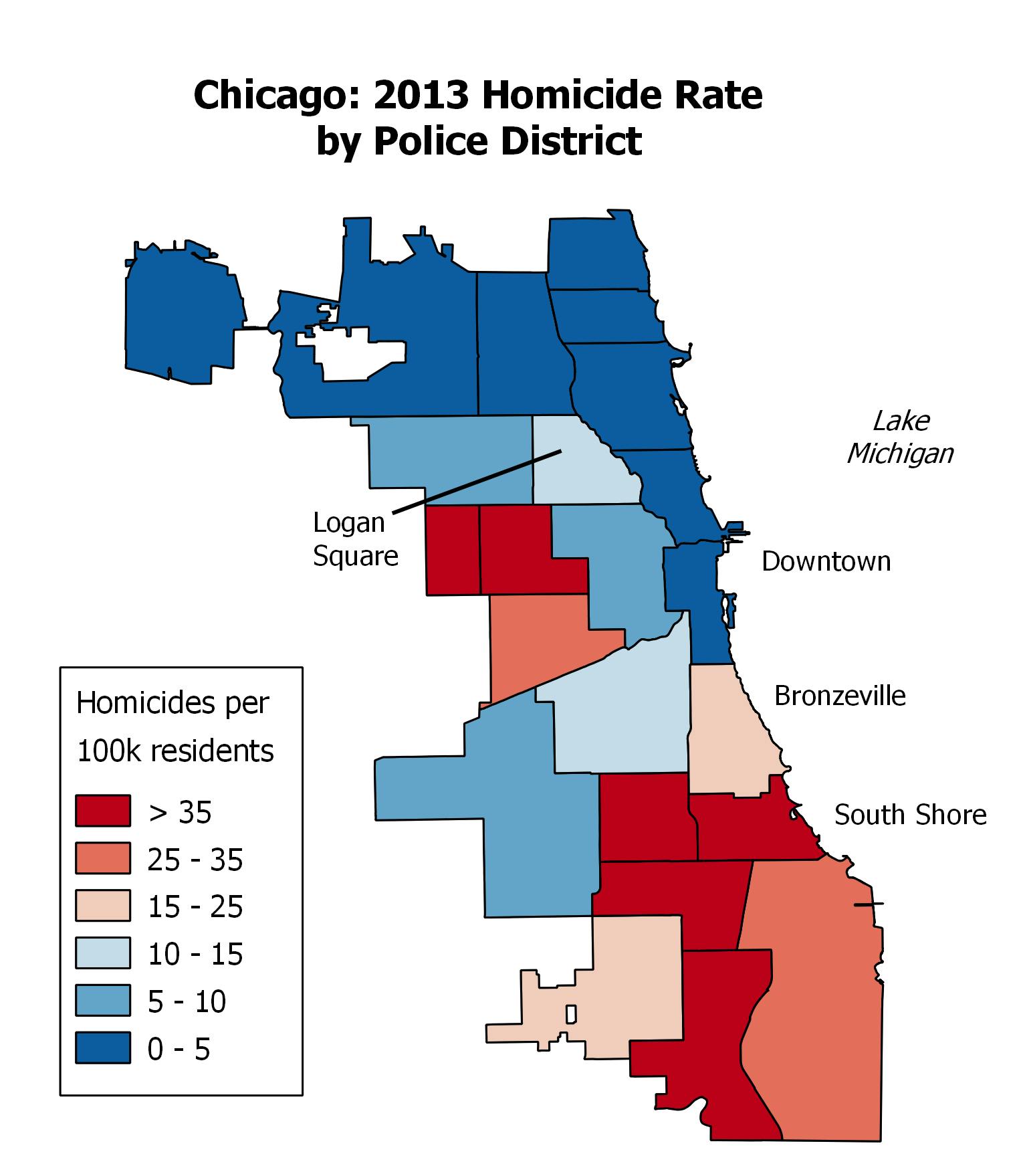
So, you’ve done your research! You’ve peeked at maps, chatted with virtual neighbors, and walked the streets like a local. Remember, crime statistics can be interpreted in many ways. A high number of petty thefts in a busy shopping district isn't the same as violent crime in a quiet residential street. Context, my friend, is king!
Ultimately, this isn't about finding a crime-free utopia (because it doesn't exist outside of perfectly curated movie sets). It's about finding a place where you feel comfortable and safe, where the community thrives, and where you can kick back and relax without a constant worry. Trust your instincts, use these tools wisely, and you'll absolutely find a fantastic spot to call your new happy home. Go forth, intrepid home-seeker, and find your sanctuary!