
Can You Use Ocean Water To Put Out Wildfires

Hey there, ever found yourself staring at a news report about a raging wildfire, then glancing out at the vast, shimmering ocean (or just picturing it in your mind’s eye), and thinking, “Hang on a minute! There’s so much water right there! Why don’t they just use that to put out the fires?”
If you have, you’re not alone! It seems like such a logical, almost brilliant, thought at first blush. We’ve got a big problem (wildfire) and a gigantic solution (the entire Pacific, Atlantic, or Indian Ocean!). It’s like having a monster thirst and seeing an endless river flowing by. Surely, it’s the answer, right?
Well, grab a comfy seat and let's unravel this mystery with a smile, because the answer, as often happens, is a little more complicated – and surprisingly fascinating – than it seems.
Must Read
The Salty Truth: Not So Sweet for Forests
Let's dive straight into the biggest reason why ocean water and wildfires are a bit like oil and water (pun intended!). The ocean is, as we all know, incredibly salty. And while that saltiness is perfectly fine for Nemo and his friends, it's an absolute nightmare for plants, soil, and pretty much everything else on land.
Picture this: You’ve got a beloved houseplant, maybe a fiddle-leaf fig or a sturdy succulent. Now imagine watering it every day with seawater. What do you think would happen? Those leaves would start to curl, the plant would droop, and soon enough, it’d be throwing a tiny, thirsty tantrum. Why? Because salt essentially sucks the moisture out of living things. It's like trying to quench your thirst with a super-sugary soda – it just makes you more parched!
Now, magnify that by an entire forest! If firefighters doused a wildfire with ocean water, they might put out the immediate flames, but they'd be signing an eviction notice for every tree, bush, and blade of grass in the surrounding area. We’re talking about creating a whole new problem: a dead, salty landscape that would struggle to recover for decades. The soil itself would become infertile, essentially turning a lush forest into a barren wasteland.

It’s like trying to fix a leaky roof by burning down the whole house. Sure, the leak's gone, but at what cost?
Equipment Woes: The Rusting of Everything
Besides the ecological disaster, there's another very practical reason: our firefighting equipment! Imagine the fancy planes, helicopters, pumps, and hoses – all built to withstand intense heat and rigorous use. Now, imagine running highly corrosive saltwater through them, day in and day out.
It would be like giving your car a daily bath in salty ocean spray. Rust, corrosion, and breakdown would happen faster than you can say "fire hose!" Our heroic firefighters rely on their tools being in tip-top working order. Using saltwater would drastically shorten the lifespan of incredibly expensive and vital equipment, making it a maintenance nightmare and a safety risk.
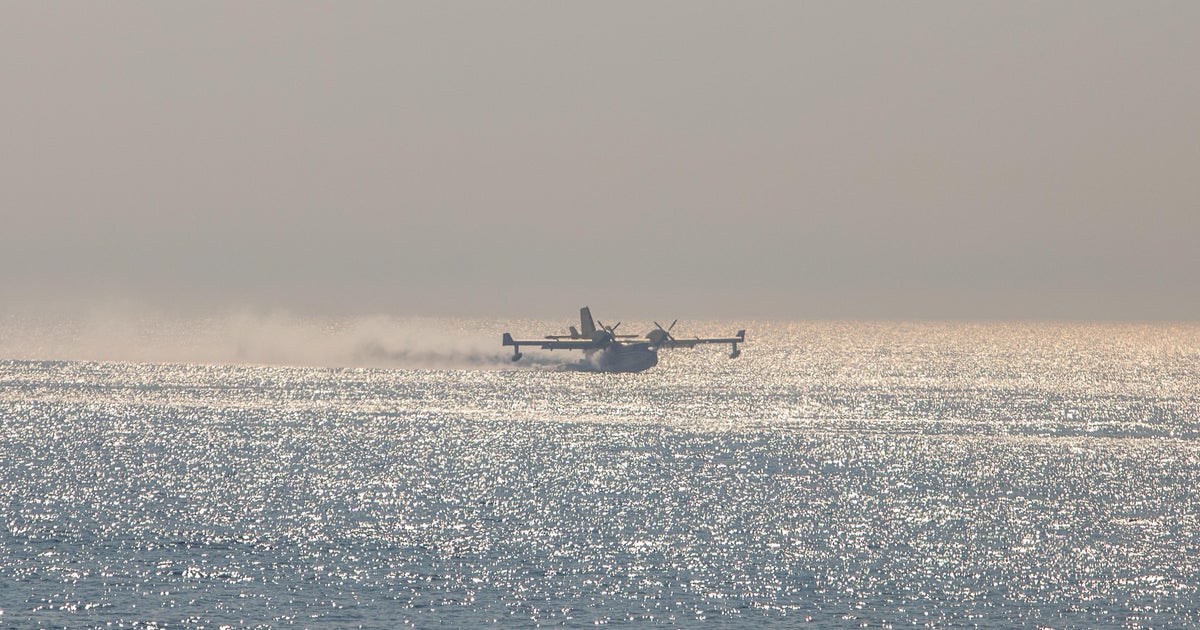
Nobody wants their firefighting helicopter to start sputtering because its engines are gummed up with salt crystals, do they?
Logistics: A Drop in the Ocean (Literally)
Even if salt wasn't an issue, let's talk about the sheer logistics. Wildfires often rage deep in remote forests, far from the coastline. How do you get massive quantities of ocean water, hundreds or even thousands of gallons per minute, from the beach all the way inland to the fire front?
It would require an astronomical network of pipelines, super-powerful pumps, and an infrastructure project so massive it would make building a new highway look like a LEGO set. The cost, the engineering challenges, the energy consumption – it's mind-boggling!

Think about trying to fill your backyard swimming pool with a tiny teacup from a lake a mile away. You'd be there forever, and most of the water would probably evaporate or spill before it even reached the pool. Scale that up to a forest fire, and you get the picture: it's just not practical or efficient.
So, What Do Our Heroes Use?
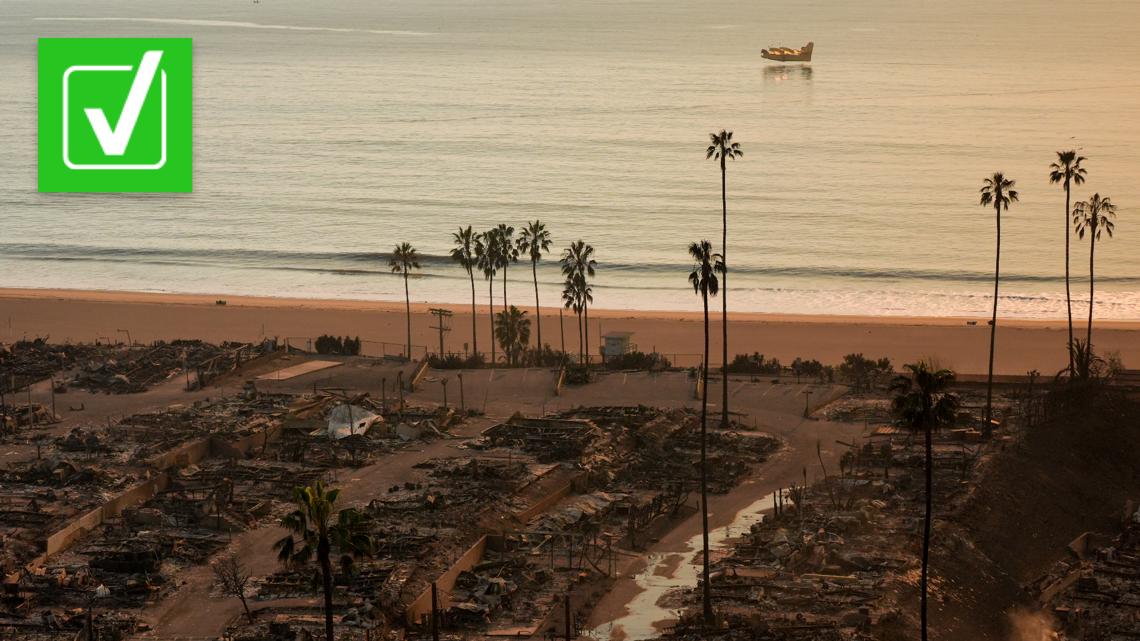
Instead of battling salt and logistical nightmares, firefighters rely on freshwater sources like rivers, lakes, reservoirs, and even temporary ponds or tanks they create. They're incredibly clever at finding and using whatever freshwater is available nearby.
And then there's the famous red stuff – fire retardant! This isn't just dyed water; it's a special chemical mixture (often containing phosphates, fertilizers, and thickeners) that acts like a chemical firewall. It coats vegetation, reducing its flammability, effectively slowing the fire down and giving ground crews time to create firebreaks and tackle the flames directly. It's a bit like giving the forest a flame-resistant suit!
Why Should We Even Care About This?
You might be thinking, "Okay, fascinating tidbit, but why should I really care if they use ocean water or not?"
Well, understanding these things helps us appreciate the incredible complexity and science behind firefighting. It’s not just about spraying water; it’s about strategic planning, ecological awareness, and protecting our natural world in the smartest, most sustainable way possible.
When you understand why ocean water isn't the magic bullet, you gain a deeper respect for the dedication and ingenuity of the firefighters and forest managers who protect our homes, our wild spaces, and the very air we breathe. These forests are our lungs, our playgrounds, and our sanctuaries. Knowing the challenges involved makes us all more informed citizens, better able to support the efforts to prevent and manage wildfires.
So, the next time you see a news report about a wildfire, remember the salty truth and send a silent cheer to the amazing crews who are using the right tools for the job, protecting our precious ecosystems one carefully chosen drop of water (or red retardant!) at a time.