
Do All Smoke Detectors Detect Carbon Monoxide
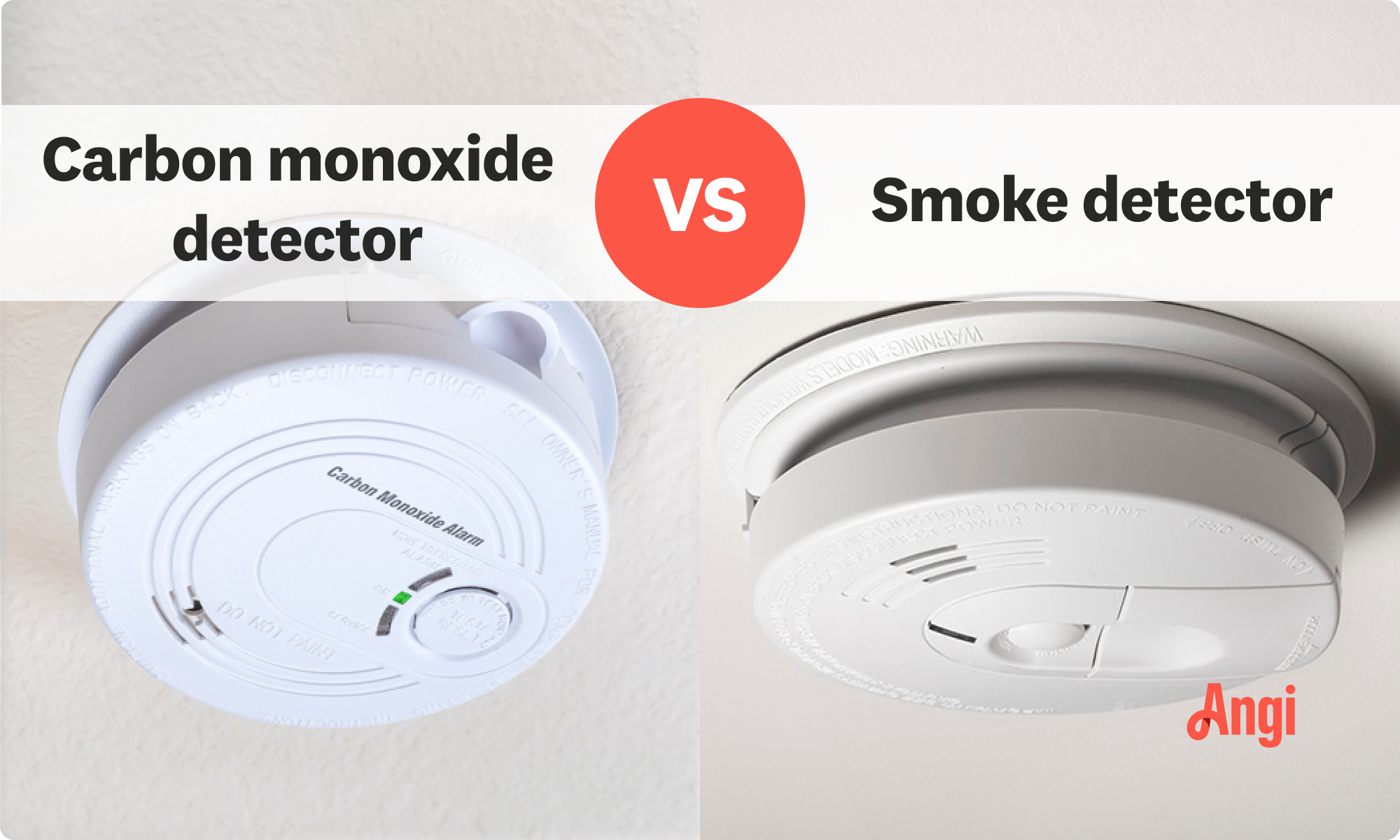
Unmasking Your Home's Safety Heroes: Do All Smoke Detectors Detect Carbon Monoxide?
We all care about keeping our homes safe. It is a cozy place, after all. But sometimes, what we think we know about safety gadgets can be a little fuzzy.
There is a big question that often pops up. Do all smoke detectors also sniff out carbon monoxide? It's a common thought, and for good reason!
The Big Reveal: Not All Heroes Wear the Same Cape!
Let's get right to it with a clear answer: No, they do not! It's a widespread myth. Many people assume one little gadget handles everything, but that's not quite how it works.
Must Read
Think of it like this: your car has separate lights for headlights and turn signals. They look different and do different jobs. Home safety devices are similar.
Meet Your Smoke Detector: The Fire Spotter
First up, we have the classic smoke detector. This little disc is your home's dedicated fire alarm system. Its main job is to warn you about potential fires.
It "smells" the tiny particles that smoke leaves in the air. When it detects these particles, it lets out that loud, unmistakable chirp or siren. This gives you precious time to escape.
A smoke detector is specifically designed for smoke. It does not react to invisible gases. It is a specialist in fire detection, and it does that job very well.
Now, The Carbon Monoxide Detector: The Silent Killer's Nemesis
Next, we have the carbon monoxide (CO) detector. This device is a true life-saver, but for a completely different threat. Carbon monoxide is often called the "silent killer."
Why "silent"? Because you cannot see it, smell it, or taste it. It is an odorless, colorless, and tasteless gas. This makes it incredibly dangerous, as you won't know it's there without help.
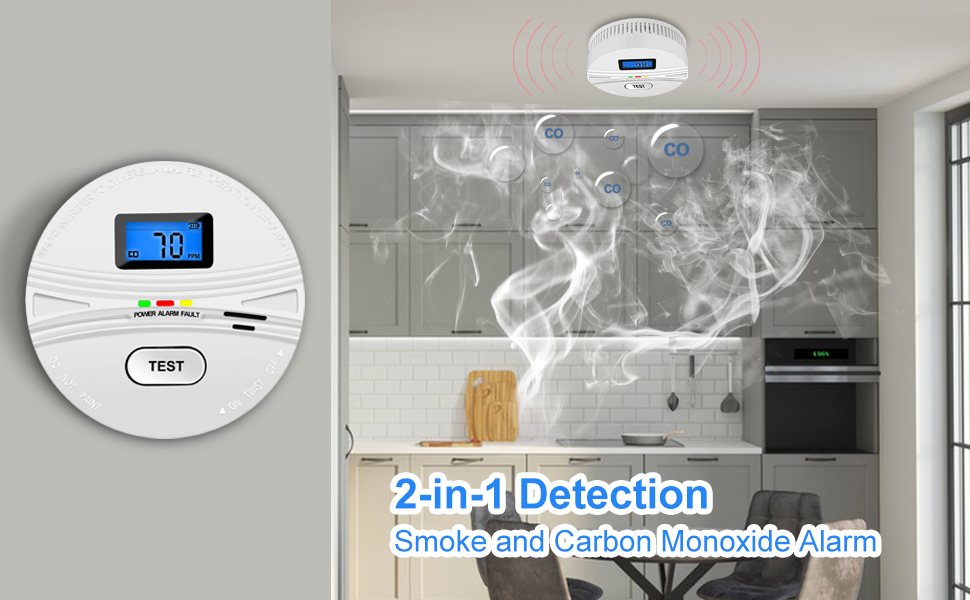
CO gas comes from incomplete burning of fuels. Think furnaces, gas stoves, fireplaces, or even car exhaust. It is a serious hidden hazard in many homes.
A CO detector is specially designed to pick up this specific gas. It does not detect smoke or fire. It has a unique sensor just for carbon monoxide molecules.
"A smoke detector guards against flames, a CO detector guards against fumes. They are a dynamic duo, not a single superhero."
Why the Mix-Up? They Look So Alike!
It's totally understandable why people get them confused. Many smoke detectors and CO detectors look quite similar. They are often white, round, and mounted on the ceiling or wall.
Sometimes, they are even referred to generally as "alarms." This vague term doesn't help clarify their specific roles. But knowing the difference is super important for your family's safety.
Enter The Combo Detector: The Two-in-One Wonder!
Here's where things get a bit more exciting and, thankfully, simpler! Manufacturers heard our thoughts. They realized it would be super helpful to have one device that does both jobs.
So, they invented the combo smoke and carbon monoxide detector. This is your home's multi-tasking champion! It has sensors for both smoke particles and CO gas.

These combo units offer fantastic convenience. You only need to install one device in certain areas. This saves you from having two separate gadgets on your ceiling.
When you see a combo unit, it will usually be clearly labeled. Look for phrases like "Smoke & Carbon Monoxide Alarm" or "Dual Sensor." This is your clue that it's the real deal.
Why This Information Matters: Your Home's Full Safety Net
Knowing the difference is not just interesting trivia. It is absolutely crucial for creating a complete safety net for your home. You need protection against both fire and carbon monoxide.
Having only smoke detectors leaves you vulnerable to CO poisoning. And having only CO detectors means you won't get an early warning for a fire. Each threat requires its own specific guard.
Time to Be a Detector Detective: Checking Your Own Home!
Now that you're in the know, it's time to become a safety detective in your own home! Take a moment to look at your existing detectors. What kind do you have?
The easiest way to tell is to look closely at the device itself. Most detectors have labels printed right on them. You might see "Smoke Alarm," "Carbon Monoxide Alarm," or "Smoke & CO Alarm."

If you can't read the label easily, carefully take it down. The back often has more detailed information. This is where you will find its specific function and even its expiration date.
Don't forget to test your detectors regularly! Most units have a "test" button. Push it, and if it's working, you will hear a loud sound. This simple action can save lives.
Where to Put Your Safety Heroes
Placement is key for these devices to work their magic. For smoke detectors, place them on every level of your home. It is super important to have them inside and outside sleeping areas.
For CO detectors, they should also be on every level. Make sure to put one near sleeping areas. Also, consider placing them near fuel-burning appliances, like furnaces or water heaters.
If you have combo units, think strategically. Place them where they can best detect both smoke and CO. Often, placing them in hallways near bedrooms is a good start.
Keeping Your Detectors Happy and Healthy
These little gadgets work hard for you, so give them some love! Test them once a month. This confirms they are powered on and ready to sound the alarm.

Change their batteries at least once a year. A good reminder is to do it when you change your clocks for daylight saving time. Many units will chirp to let you know their battery is low.
And yes, detectors have a lifespan! They don't last forever. Smoke detectors usually need replacing every 7-10 years. CO detectors often last 5-7 years. Check the expiration date on the back of your unit.
An expired detector cannot reliably protect you. It is like driving on very old, worn-out tires. Even if it seems to be working, its sensors might not be accurate anymore.
Your Home, Your Safety, Your Peace of Mind
Understanding the difference between smoke and carbon monoxide detectors is a small step. But it makes a huge difference in your home's overall safety plan.
Now you know the secret! You understand that not all detectors are created equal. You also know that the combo unit is a wonderful invention for dual protection.
So go ahead, inspect your detectors. Make sure you have the right ones in the right places. Investing a little time in this now gives you immense peace of mind later.
Be the safety hero your home deserves! Your awareness and action can truly protect what matters most.