
Why Would My Smoke Detector Go Off With No Smoke

Picture this: It's 3 AM. You’re deep in the land of nod, dreaming of fluffy clouds and silence, when suddenly – BEEP BEEP BEEP BEEP BEEP! Your smoke detector, that ever-vigilant sentinel of safety, has decided it’s showtime. You leap out of bed, heart pounding, convinced the house is engulfed in flames. You check the kitchen, the living room, even peer nervously into the oven... only to find nothing. Not a wisp of smoke. Just that infernal, ear-splitting shriek. What on earth just happened? Did your smoke detector just become a drama queen?
Oh, my friend, you are not alone in this peculiar domestic mystery. It turns out, these little guardians are incredibly sensitive, and sometimes, their definition of "smoke" is a tad... enthusiastic. Let's pull up a chair, grab a metaphorical coffee, and unravel the hilarious (and sometimes maddening) reasons your smoke detector might be throwing a tantrum.
The Great Dust Bunny Rave
First up on our list of suspects are the tiny, often overlooked inhabitants of your home: dust and bugs. Yes, those cute little dust bunnies aren’t always so innocent. Smoke detectors often work by detecting disruptions in a light beam (photoelectric) or tiny charged particles (ionization). When a rogue dust particle, a tiny fly, or even a spider doing its morning yoga routine saunters into the sensing chamber, your detector thinks it’s a full-blown inferno.
Must Read
Imagine being a smoke detector, just minding your business, and suddenly a giant dust monster waltzes in. You’d scream too! This is why a quick, gentle vacuuming or a blast of compressed air (following the manufacturer’s instructions, please!) can sometimes quiet the beast. Think of it as clearing out the disco for the dust bunnies.
Steam: The Sauna Effect
Ever hopped out of a gloriously hot shower, enveloped in a cloud of steamy bliss, only for your smoke detector to declare a five-alarm fire? Or perhaps you’ve just boiled a colossal pot of pasta, and suddenly your kitchen sounds like a fire truck convention? That’s steam, my friends. It’s the ultimate impostor.

Steam, especially from a hot shower or boiling water, can be quite dense and looks a lot like smoke to a detector’s sensitive eyes. It's not actually smoke, but the tiny water particles can scatter light or ionize the air just enough to trigger the alarm. It’s like your detector is saying, "Whoa, is that a fog machine in here, or is the house melting?" The solution? Good ventilation, keeping detectors a safe distance from bathrooms and kitchens, and perhaps a polite warning to your detector before you unleash the pasta monster.
The Culinary Critic: Overly Sensitive to Cooking
Ah, cooking fumes. The bane of many a smoke detector's existence. We’ve all been there: you’re making a delicious stir-fry, or perhaps you've just slightly over-toasted your toast (we've all incinerated a few slices, let's be honest), and BAM! The alarm goes off. It’s not just burnt offerings; even high-heat cooking with certain oils can produce microscopic particles that fool your detector.

Your smoke detector isn’t just looking for smoke; it’s also sniffing out those tiny airborne particles released during cooking. Think of it as an overzealous food critic, declaring everything from slightly seared salmon to a crispy baguette as a "catastrophe!" Good ventilation (hello, range hood!), keeping your cooking area clean, and maybe just accepting that your smoke detector has strong opinions on your culinary skills can help.
Humidity & Chemical Shenanigans
Beyond steam, general humidity can sometimes trigger a false alarm, especially in older or more sensitive units. Imagine a muggy summer day; the air is thick, and tiny water particles are everywhere. Your detector might just get a little confused. It's like it's complaining about the weather!

And then there are chemical fumes. Ever freshly painted a room, or perhaps gone a little wild with the aerosol hairspray or air freshener? Many cleaning products, paints, and even strong deodorizers release volatile organic compounds (VOCs) into the air. These tiny chemical particles can be enough to set off an alarm, particularly if it's an ionization type detector. Your smoke detector might just be a clean freak with an incredibly sensitive nose.
The Battery's Last Gasp & Old Age Grumbles
This one isn’t a false alarm in the traditional sense, but it’s a classic trigger for that annoying, intermittent chirp: a low battery. That signature "chirp-chirp" every 30-60 seconds isn’t the house burning down; it’s your smoke detector screaming for a snack. It’s its way of saying, "My power is fading, and I'm going to annoy you until you feed me!" Change those batteries regularly, folks – it's the simplest fix.
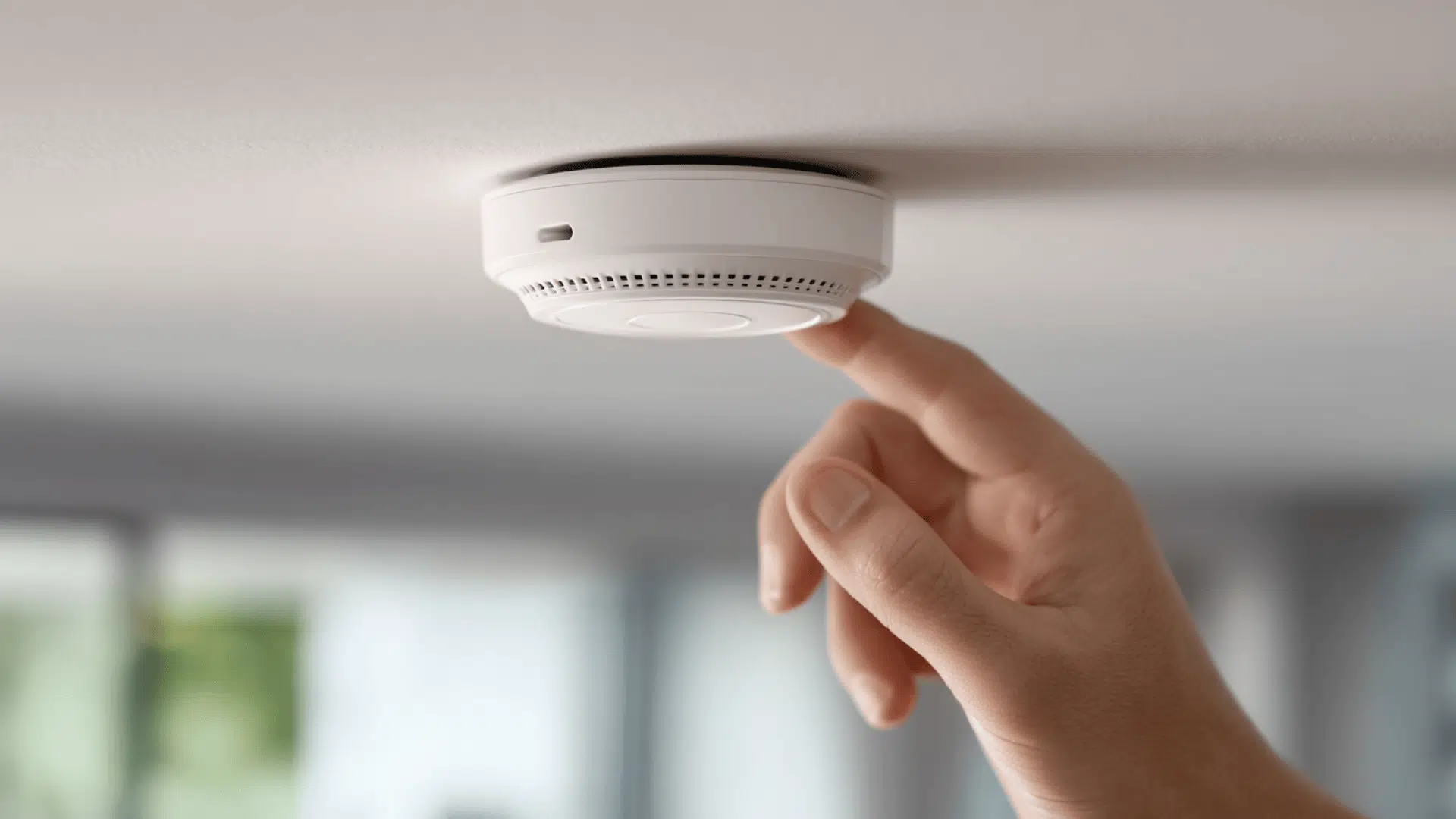
And finally, sometimes, your smoke detector is just plain old and grumpy. Like us, they don't last forever. Most manufacturers recommend replacing smoke detectors every 8-10 years. Over time, the internal components can get dusty, corroded, or simply wear out, leading to unpredictable false alarms. If your detector is a decade old and still giving you jump scares, it might be time to send it into a well-deserved retirement and invest in a new, less dramatic model.
Placement, Placement, Placement!
Often, the problem isn’t with the detector itself, but its location. Is it directly outside your bathroom? Too close to the stove? Right next to a drafty window? Improper placement can significantly increase the chances of false alarms. Check your manual; it usually has excellent advice on where to install these vital guardians for optimal performance and minimal drama.
So, the next time your smoke detector goes off without a fiery reason, take a deep breath (after you've confirmed there's no actual fire, of course!). Chances are, it's just being a little overzealous, a bit dusty, or perhaps complaining about your cooking. A little understanding, some regular maintenance, and knowing these quirky reasons can save you a whole lot of frantic panic. Now, go forth and enjoy your quiet home... until the next dust bunny rave, that is!