How Do You Know If Carbon Monoxide Is Present

Alright, let's talk about something super important, but often overlooked: carbon monoxide (CO). You know how some things just quietly get the job done, like your favorite pair of comfy slippers or that trusty coffee maker? Well, carbon monoxide is kind of like that, but in a much more sinister way. It's often called the "silent killer", and for good reason. It’s invisible, odorless, and tasteless. Think of it as the ultimate ninja of household hazards. Scary, right? But don't fret! We're here to demystify it and give you the lowdown on how to know if this sneaky gas is hanging around your cozy abode.
The Invisible Intruder: What You CAN'T See
The biggest trick carbon monoxide plays on us is its absolute secrecy. Unlike a smoky fire that alerts your senses with a pungent smell and visible haze, CO doesn't give you any obvious clues. You can't sniff it out like a fresh batch of cookies, and you certainly can't see it wafting through the air like a poorly aimed fog machine. This is precisely why it’s so dangerous; our natural senses are completely useless against it.
Listen to Your Body: The Subtle Signals
While you can't detect CO directly, your body might start sending out some SOS signals. The tricky part? These symptoms often mimic common, less serious ailments, making them easy to dismiss.
Must Read
- Feeling a Bit Off? Think a sudden, persistent headache, dizziness, nausea, or feeling unusually tired. It can feel a lot like the flu, food poisoning, or even a really bad hangover after a particularly spirited night out.
- Getting Worse? As exposure continues, symptoms can intensify. We're talking confusion, blurred vision, feeling lightheaded, and even coordination problems. Imagine trying to walk a straight line after a merry-go-round ride – not fun.
- The Red Flag: If multiple people or even pets in your home are experiencing similar symptoms at the same time, especially when indoors, it's a huge red flag. And if those symptoms magically improve when you step outside for some fresh air, only to return when you're back inside? Ding ding ding! That's a serious indicator that CO might be present.
It’s crucial to remember that symptoms can vary. Children, the elderly, and those with chronic heart disease, anemia, or respiratory problems can be particularly vulnerable and may show symptoms more quickly and severely.
Your Home's Guardians: The Mighty CO Detectors
Since we can't rely on our own senses, we need a little help from technology. Enter the carbon monoxide detector! These gadgets are your home's unsung heroes, silently standing guard and ready to sound the alarm when CO levels become dangerous. Think of them as your personal, ever-vigilant canary in a coal mine, but without the actual bird.
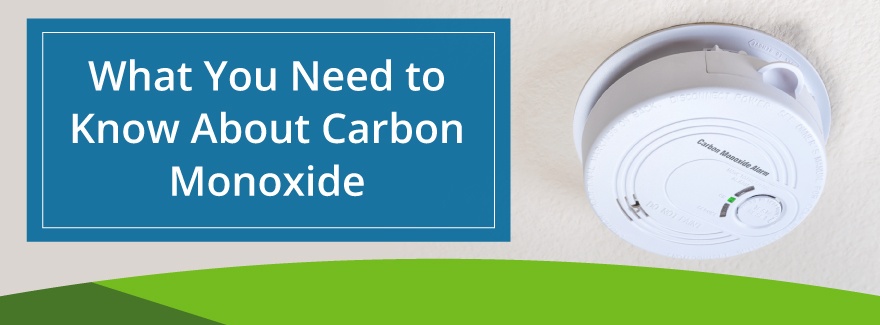
Practical Tip: Just like smoke detectors, CO detectors should be installed on every level of your home, especially near sleeping areas. Give them a quick test every month (they usually have a little button for that), and make sure to replace their batteries annually. Most CO detectors have an expiry date, usually around 5-7 years, so keep an eye on that too! A detector that’s past its prime is like a superhero whose powers have fizzled out.
You can grab combo smoke and CO detectors, making it super convenient. They're not just a suggestion; in many places, they're a building code requirement – and for good reason!
Where Does CO Come From, Anyway?
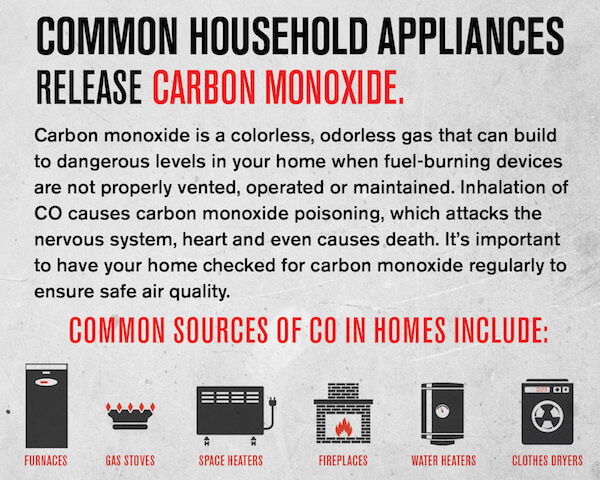
Carbon monoxide is produced whenever fuel burns incompletely. This means everyday items in your home can be potential culprits if they're not properly maintained or ventilated. We're talking about gas furnaces, stoves, water heaters, fireplaces, wood-burning stoves, clothes dryers, and even charcoal grills (which should never be used indoors, by the way!). Your car running in an attached garage is another big no-no. So, give those appliances a little love and regular check-ups.
The Golden Rule: Don't Delay, Act Today!
If your CO detector goes off, or if you suspect CO poisoning based on symptoms, don't hesitate!

- Get everyone (and pets!) outside immediately to fresh air.
- Once you're safe, call 911 or your local emergency number.
- Do not re-enter the building until emergency responders have given the all-clear and identified/fixed the source of the CO.
It's always better to be safe than sorry. Your health and safety are worth the temporary inconvenience.
Your Safe Haven
In a world full of hustle and bustle, our homes are meant to be our sanctuaries, places of comfort and peace. Understanding silent threats like carbon monoxide and taking simple, proactive steps – like installing and maintaining CO detectors – ensures that your haven remains truly safe. It's a small effort for a huge return: the priceless gift of peace of mind for you and your loved ones. So go ahead, enjoy your perfectly brewed coffee and those comfy slippers, knowing you've got your invisible ninja covered!