Who To Call If Carbon Monoxide Alarm Goes Off

There are many sounds we love in our homes: the gentle hum of the refrigerator, the distant rumble of the washing machine, or even the blissful quiet after a long day. But there’s one sound that, while certainly not pleasant, brings an invaluable gift: the piercing chirp of your carbon monoxide (CO) alarm. Nobody "enjoys" this particular wake-up call, of course, but what we absolutely adore is the peace of mind it provides, knowing that a vigilant guardian is silently standing watch over our loved ones.
Think of your CO alarm as your personal, highly sensitive bodyguard against the unseen. Its primary benefit and purpose in everyday life is to protect you from the "silent killer." Carbon monoxide is a truly insidious gas: it’s colorless, odorless, and tasteless, meaning you'd never know it was present until it’s too late. It's produced by the incomplete burning of fuels like natural gas, propane, oil, wood, and charcoal. Common culprits in our homes include malfunctioning furnaces, water heaters, gas stoves, fireplaces, and even car exhaust from an attached garage. Without a CO alarm, this invisible threat can quickly lead to headaches, dizziness, nausea, and, tragically, even death while you sleep.
These crucial devices are applied in various ways throughout our homes. You'll typically find them near sleeping areas, on every level of the house, and often close to fuel-burning appliances. Many modern homes are even equipped with combination smoke and CO detectors, streamlining your safety measures. Some are battery-operated for easy installation, while others plug into outlets or are hardwired into your home's electrical system, often with battery backup for continuous protection. They are a small investment that offers monumental returns in safety and reassurance.
Must Read
So, the alarm goes off. What now? This is where understanding how to "enjoy" its benefits most effectively comes into play – by knowing precisely what to do. Your swift and correct actions are paramount. Here are the practical tips:
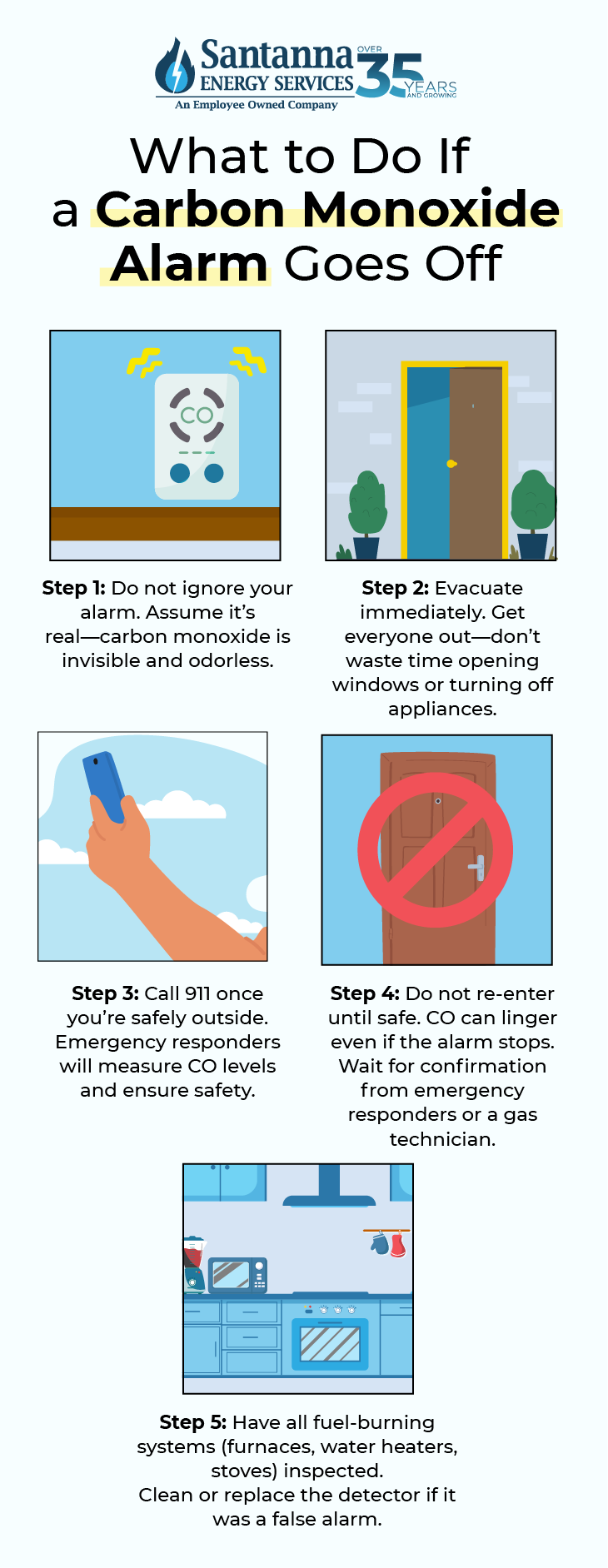
- EVACUATE IMMEDIATELY! This is the golden rule. Do not investigate. Do not pass GO. Get everyone, including pets, out of the house and into fresh air. Leave the door open behind you to help ventilate.
- CALL 911 / YOUR LOCAL EMERGENCY SERVICES! This is the first and most important call once you're safely outside. Tell them your CO alarm is sounding. The fire department has specialized equipment to detect carbon monoxide levels safely and will be able to determine the source and ensure it's safe to re-enter your home. Do NOT re-enter your home until emergency personnel have given you the all-clear.
- Who else to call (after 911 has cleared the scene): Once the immediate danger is handled by emergency services, and they've identified the likely source, you might need to follow up with a specialist.
- If it’s a natural gas appliance, your gas utility company might need to inspect it.
- For issues with your furnace or water heater, an HVAC technician will be necessary.
- If your fireplace or chimney is suspected, a chimney sweep or HVAC professional can assess and repair.
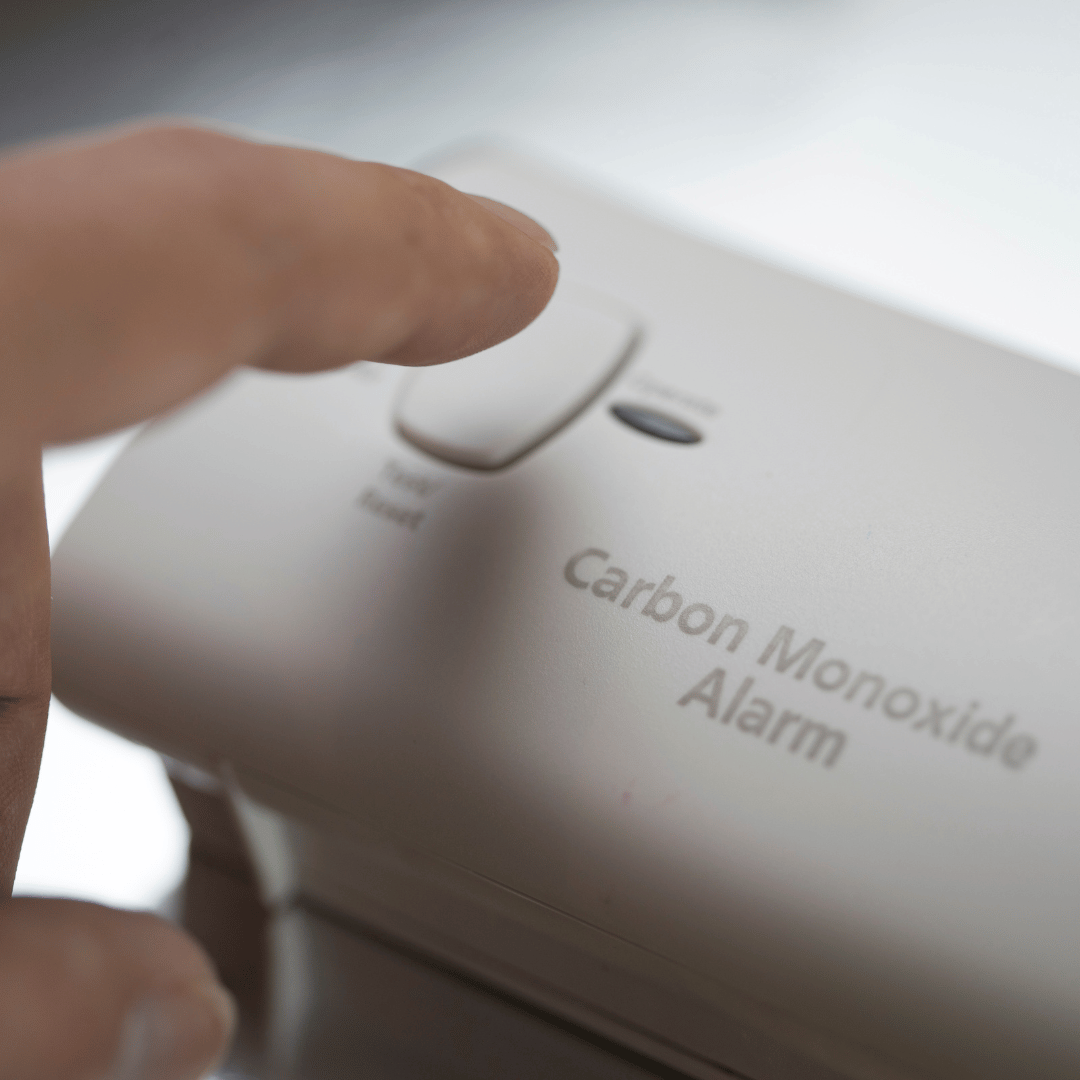
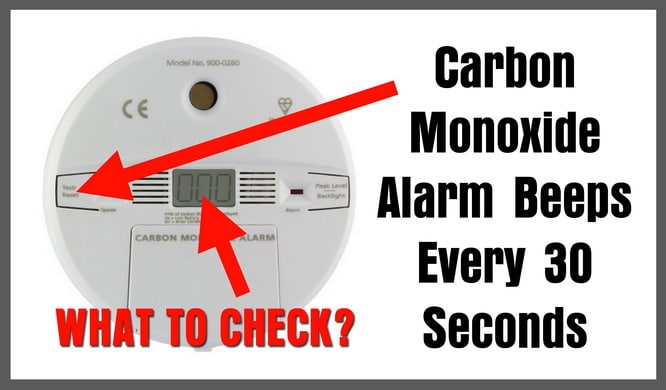
To keep your CO alarm in peak condition, remember to test it monthly using the test button, change its batteries annually (if applicable), and always pay attention to its expiration date – most units last 5-10 years. While the sound of a CO alarm going off is never fun, knowing exactly what to do turns a moment of potential panic into an effective, life-saving response, allowing you to truly appreciate the silent hero guarding your home.