
What To Do When Your Fire Alarm Keeps Beeping
Ah, the unmistakable sound. That persistent, high-pitched chirp that cuts through the silence of your morning, the tranquility of your evening, or worse, the deep sleep of your night. It’s not the fire alarm blaring a full-blown emergency (thank goodness!), but rather that maddening, intermittent beep. It’s the soundtrack to a very specific kind of modern torture, a tiny electronic sentinel reminding you that something, somewhere, needs attention. But fear not, fellow peace-seeker! This isn't a battle you have to lose. Let’s tackle this domestic dilemma with a cool head and a touch of savvy.
The Silent Killer of Serenity (and What Makes it Chirp)
Before we don our problem-solver hats, it helps to understand why your dutiful little device has decided to stage its own tiny protest concert. There are a few usual suspects:
Low Battery: The Classic Villain
This is the most common reason, hands down. Your smoke alarm is basically saying, "Hey, my power is fading, and I need juice to protect you properly!" Think of it like a smartphone at 1% – it's giving you a polite (if annoying) heads-up before it completely conks out.
Must Read
End-of-Life: The Alarm's Own Retirement Plan
Did you know smoke detectors have an expiration date? Most manufacturers recommend replacing them every 8-10 years. After a decade, the sensors can become less effective, and the alarm will often start chirping to let you know it's time to retire.
Dust Bunnies & Steam Clouds: Nuisance Triggers
Sometimes, it's a false alarm. A build-up of dust and debris inside the sensor can trick it into thinking there's smoke. Similarly, a steamy shower or an enthusiastic chef creating a culinary masterpiece (read: a lot of smoke from that pan-seared something) can trigger a brief protest beep.
Faulty Sensor: The Rare, Tricky One
Occasionally, especially with older units, a sensor might just be faulty. This is less common but can happen, leading to random chirps even after you've tried all the usual fixes.
Operation Silence: Your Go-To Guide
Alright, battle plan activated. Here’s how to silence the beast and restore harmony to your home.
Step 1: Locate and Mute
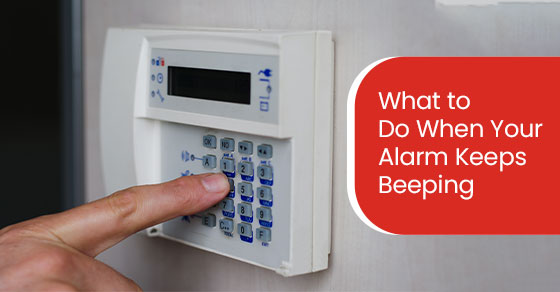
First things first, find the chirping culprit. Many modern smoke alarms have a "hush" or "test" button. Pressing this can temporarily silence the beep for a few minutes, giving you a much-needed moment of peace while you prepare for the next step. If it's a false alarm due to steam, this usually does the trick.
Step 2: Identify the Culprit
If you have multiple alarms, pinpointing the noisy one can be a game of "hot or cold." Listen carefully. Is it the one in the hallway? The bedroom? Once identified, you're ready to perform some open-alarm surgery.
Tackling the Low Battery Monster
This is usually the solution, so let’s get specific.
1. Gather Your Tools: You'll likely need a sturdy step ladder and a new 9-volt battery (the rectangular kind) or the specific AA/AAA batteries your unit uses. Check your alarm for the battery type; it's usually printed on it. It’s a good idea to keep a stash of these; they’re the unsung heroes of household maintenance!

2. Safety First: Make sure you have a stable ladder. No heroics, please!
3. Twist and Remove: Most smoke alarms are mounted to a base plate with a simple twist-and-pull motion. Give it a gentle counter-clockwise twist to detach it.
4. Swap it Out: Open the battery compartment, pop out the old battery, and snap in the new one. Listen for a confirming chirp or a "test" message – a sign of life!
5. Test and Reattach: Press the test button on the alarm to ensure it’s working correctly (it should emit a loud, continuous siren sound). Then, reattach it to its base with a clockwise twist.
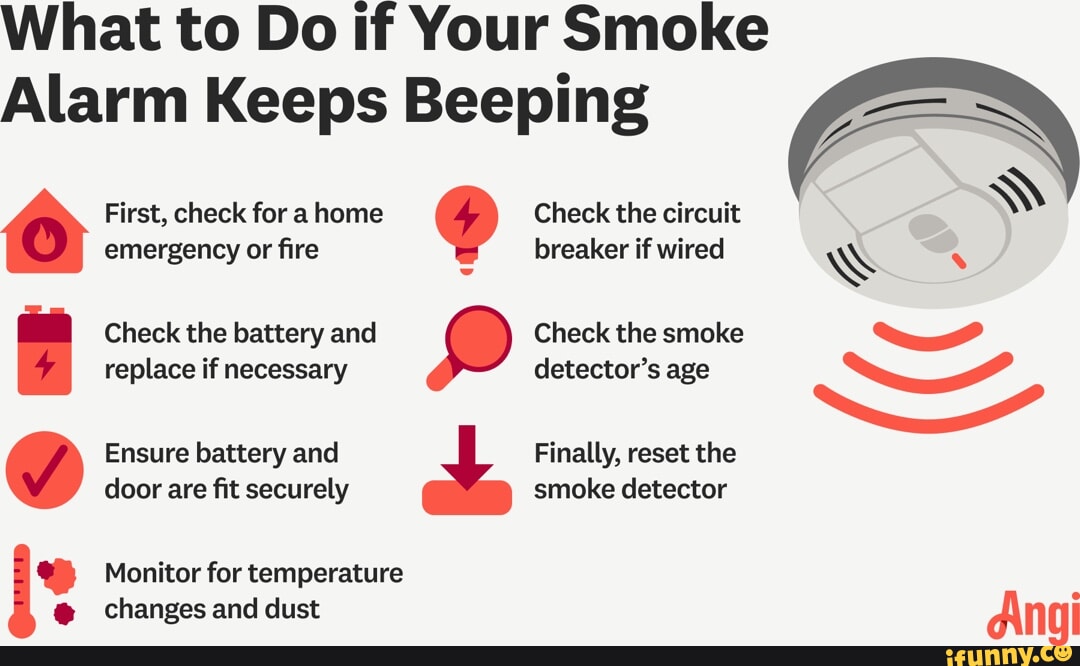
Fun Fact: Many fire departments and safety organizations recommend changing your smoke alarm batteries twice a year, often aligning with Daylight Saving Time changes. So, when you "spring forward" or "fall back," it's a perfect reminder to swap those batteries out!
A Little TLC: Cleaning Your Sensor
If a new battery doesn't solve it, or if you suspect dust, give your alarm a quick clean.
1. Power Down: Remove the alarm from its base (and battery, if possible) to ensure it's not receiving power.
2. Gentle Cleanse: Use a soft-bristled brush (like a clean paintbrush) or the brush attachment of your vacuum cleaner to gently clear any dust or cobwebs from the vents and sensor area. A can of compressed air can also work wonders to blast out hidden grime.
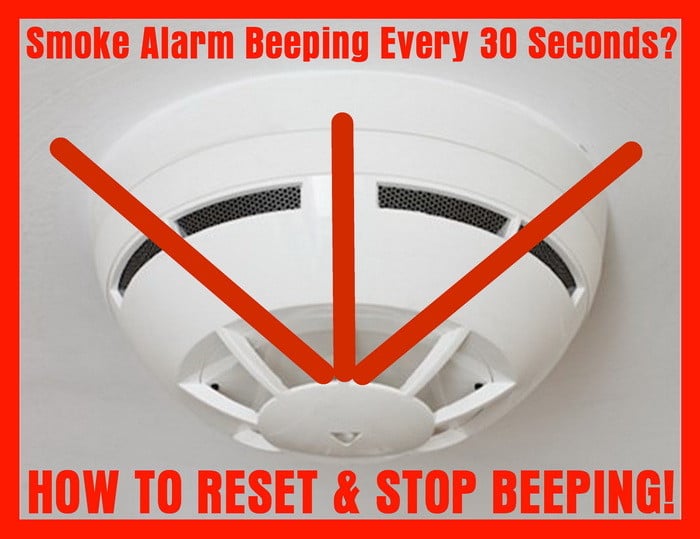
3. Reset: Reinsert the battery, reattach the alarm, and test it.
Cool Info: Did you know the first patent for an electric fire alarm was granted in 1890, but widespread home use only really took off in the 1970s? Modern photoelectric smoke detectors detect visible particles of combustion, while ionization alarms detect invisible combustion products. Most homes now use dual-sensor alarms for comprehensive protection!
When It's Time for a Full Reset (or Replacement)
If your alarm is still chirping after a battery change and a good cleaning, or if it's over 10 years old, it's time for a replacement. Seriously, don't just endure the chirping – a faulty alarm can't protect you. Check the manufacturing date on the back of the unit. If it's hitting that decade mark, treat yourself to a new one. They're relatively inexpensive and invaluable for safety.
If you have hardwired alarms and they're misbehaving persistently, and you've changed their backup batteries, it might be time to call a qualified electrician. There could be an issue with the wiring or the interconnected system.
Beyond the Beep: A Final Thought
Dealing with a chirping smoke alarm is a small, everyday annoyance, but fixing it brings a disproportionately large sense of peace. It’s a reminder that sometimes, the biggest stresses come from the smallest, neglected details. Taking a few moments to address these minor maintenance tasks – whether it's a battery, a squeaky door, or a flickering light – isn't just about fixing a problem. It's about reclaiming your tranquility, ensuring your safety, and making your living space feel truly harmonious. So, go forth, conquer that chirp, and enjoy the beautiful sound of silence. You've earned it!