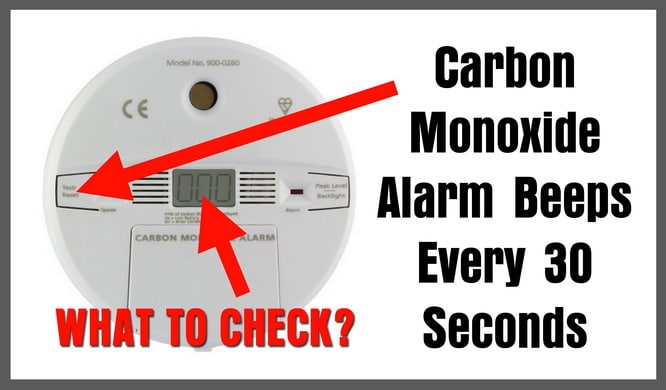
What Do I Do If Carbon Monoxide Alarm Goes Off

Ever feel a little thrill when you know exactly what to do in a tricky situation? Like when you solve a puzzle, or instinctively catch something before it hits the floor? That same satisfying feeling comes with knowing how to react to important home safety alerts. We all have smoke detectors, but there's another silent guardian in many homes that deserves just as much attention: the Carbon Monoxide (CO) alarm. Knowing what to do when it chirps isn't just useful; it's like unlocking a vital superpower for keeping your household safe and sound!
Carbon monoxide is often called the "silent killer" for a terrifying reason: it's an invisible, odorless, and tasteless gas. It can build up in your home from faulty furnaces, water heaters, gas ranges, or even clogged chimneys. Symptoms of CO poisoning can mimic the flu, making it incredibly dangerous and hard to detect without an alarm. That's why your CO alarm is a true hero, designed to alert you to danger long before you or your loved ones feel any effects. Understanding the simple steps to take when it goes off isn't about panicking; it's about confidently knowing how to protect what matters most.
So, the moment that distinctive, urgent beep or voice alarm sounds, here's your action plan, broken down into easy, stress-reducing steps:
Must Read
Step 1: Don't Panic, But Act Fast! Your CO alarm is not a drill; it's a warning. While it's natural to feel a jolt, take a deep breath. Your immediate action is crucial. Remember, the alarm is giving you time to react safely.
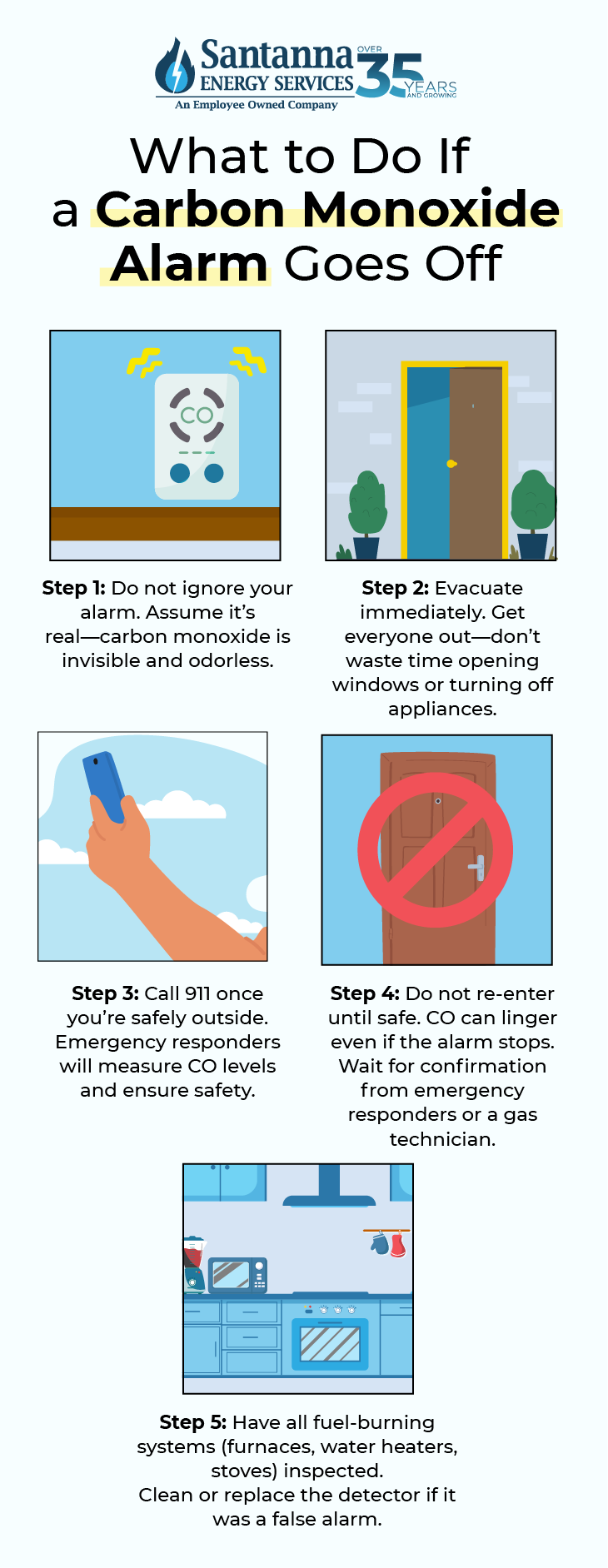
Step 2: Get Out, Stay Out! This is the absolute most important step. As quickly and calmly as possible, evacuate everyone from the home, including pets. Do not stop to gather belongings, grab keys, or even open windows – simply get out into fresh air immediately. Once you're outside, stay out! Do not re-enter the house, even for a moment, until professionals have given the all-clear.
Step 3: Call for Help. Once everyone is safely outside, use a cell phone or a neighbor's phone to dial 911 (or your local emergency services number). Explain that your carbon monoxide alarm is going off and you've evacuated your home. They will dispatch the fire department or other trained personnel to investigate the source of the CO and ensure it's safe to return.

Step 4: Wait for the Professionals. Emergency responders are equipped to detect carbon monoxide levels and identify the faulty appliance or source. They will also ventilate your home if necessary. Only re-enter your home once the emergency services have confirmed that it is safe to do so. They'll also advise you on what steps to take to repair or replace the problematic appliance.
Being prepared makes all the difference. Regularly check your CO alarms (they have a test button!), understand their sound, and replace them every 5-7 years, as their sensors degrade over time. Knowing these steps transforms a potentially terrifying scenario into a manageable safety protocol. You've got this! Stay safe, stay smart, and enjoy the peace of mind that comes with being prepared.