
What Can Cause Carbon Monoxide Alarm To Go Off
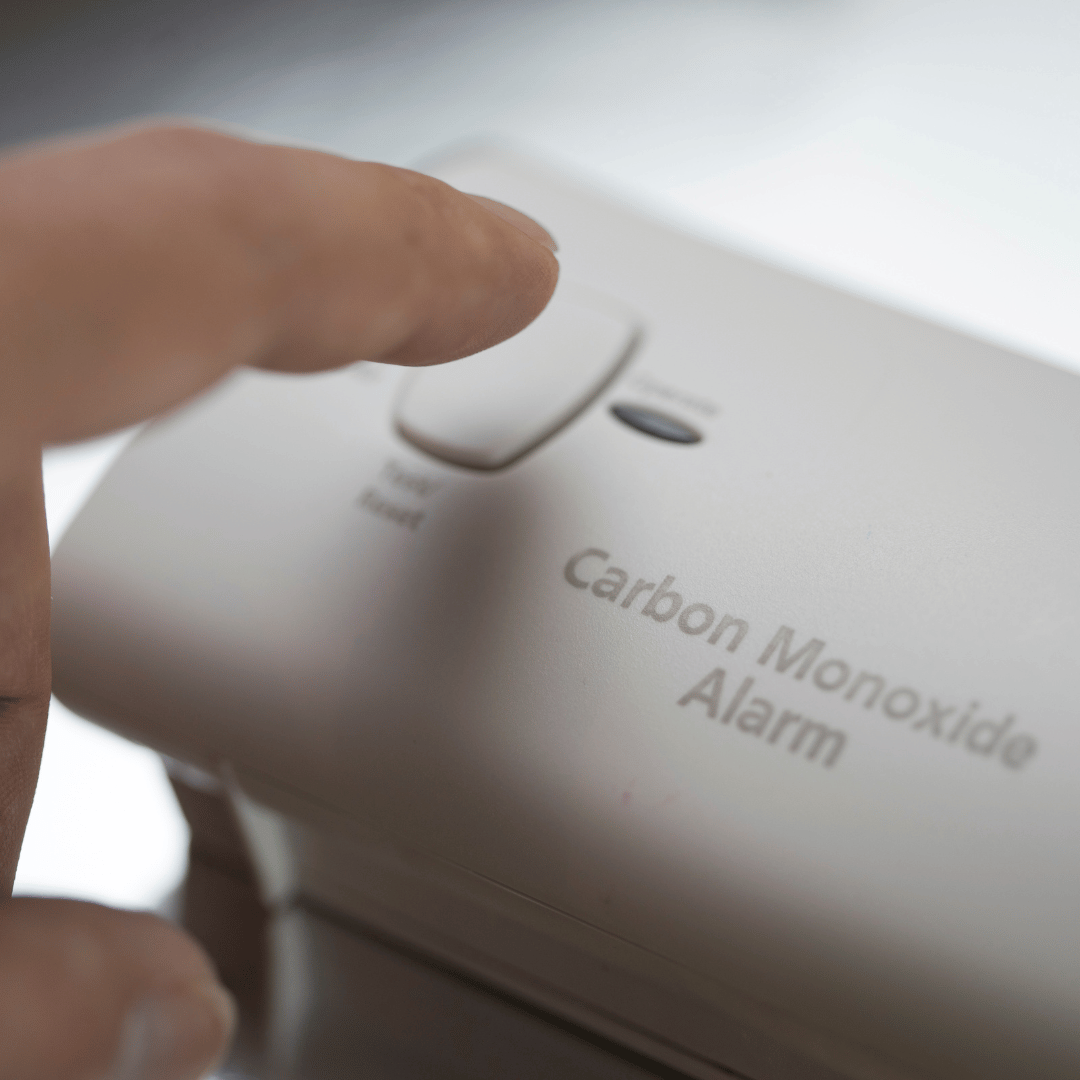
There's a sound that can make any homeowner's heart leap into their throat: the piercing, urgent shriek of an alarm. We usually associate it with smoke or fire, but what about that other guardian, the one detecting something invisible and odorless? We're talking about your trusty carbon monoxide alarm.
Most of us know CO is dangerous, a silent threat that requires vigilance. So, when that distinct beep-beep-BEEP fills your home, it's natural to panic, picturing the worst-case scenario. But what if we told you that sometimes, this brave little device is actually alerting you to something a little more… quirky?
The Unsung Hero: Your CO Alarm!
Before we dive into the funnier side of false alarms, let's acknowledge our hero. Your carbon monoxide alarm is designed to detect an invisible gas produced by incomplete combustion. It's truly a lifesaver, and its primary job is to keep you safe from the serious dangers of CO poisoning.
Must Read
It's important to always take a CO alarm seriously and follow safety protocols first. But once the air is clear and the panic subsides, you might find yourself scratching your head, wondering, "What on earth just happened?" Often, the answer is surprisingly mundane, even a little amusing.
When Breakfast Goes Rogue
Ah, the morning rush! We've all been there: juggling coffee, emails, and trying to get breakfast ready. Sometimes, in our haste, things get a little… overdone.
Picture this: you're making toast, just a shade darker than golden, and suddenly the kitchen fills with a faint, smoky haze. Your bread isn't quite burnt, but the small particles released from the browning process can be enough to confuse a sensitive CO sensor. Your alarm might just be letting you know your breakfast is having a meltdown.
One family fondly recalls their alarm screaming during what they now call "the great bagel incident." Turns out, a rogue crumb had lodged itself in the toaster, creating a tiny, intense plume of smoke. No real danger, just a very dramatic breakfast.
Cooking mishaps are actually a leading cause of CO alarms going off without a true carbon monoxide leak. That smoky stir-fry, the forgotten pot on the back burner, or even just some enthusiastic searing can release enough combustion byproducts to trigger your vigilant guardian.
It's your alarm’s way of saying, "Hey, something's burning! Or at least, really toasting!" It's a reminder to keep an eye on your culinary creations, even if it's just a reminder to open a window.
The Oven's Secret Shenanigans
Our ovens work hard for us, baking everything from cookies to casseroles. But sometimes, these hardworking appliances can have a little secret that sets off your alarm: a buildup of old food residue.
When your oven heats up, especially during a high-temperature cycle like self-cleaning, any accumulated grease and grime can burn off. This process releases smoke and other gases, including small amounts of carbon monoxide, triggering your alarm.
Many people have experienced the mystery of a blaring CO alarm during their oven's self-cleaning cycle. It's often not a dangerous leak, but rather the alarm doing its job, reacting to the gases from the burnt-off food particles. It's a loud reminder that it might be time for a thorough cleaning!
So, the next time your alarm sounds while the oven is on, don't panic immediately. Check for any smoky smells from the oven, and consider giving it a good scrub once it's cooled down. Your alarm might just be giving you a nudge about your cleaning routine.
Outdoor Fun, Indoor Alarm
We love our outdoor living spaces! Grilling burgers, gathering around a fire pit, or even just warming up the car in the garage. These activities bring joy, but they can also sometimes send your CO alarm into a frenzy.
Imagine enjoying a lovely backyard barbecue, your grill sizzling away, and then—BEEP-BEEP-BEEP! If your grill is too close to an open window or door, especially on a windy day, some of that grill smoke can drift inside. It’s not just smoke; it’s combustion byproducts your alarm can detect.
Similarly, a cozy evening around a fire pit can have unintended consequences for your indoor alarm. The smoke, even from a well-contained fire, can easily find its way into your home if doors or windows are open nearby. Your alarm is simply very sensitive to its environment.
Even something as routine as starting your car in an attached garage can be a culprit. If the car idles for too long, or if there's a slight exhaust leak, CO can quickly build up in the garage and seep into your living space, especially if there's a door connecting the two.
One anecdote tells of an alarm that went off every time a certain car started. The solution? A new exhaust system and ensuring the garage door was always fully open when the engine was running. A simple fix for a daily alarm! It’s a great example of the alarm being a diligent watchdog.
The Not-So-Silent Neighbor
Sometimes, the source of your alarm isn't even in your own home! Living in apartments, duplexes, or homes with shared walls means you might occasionally pick up on your neighbor's activities. It's like your alarm is saying, "Psst, your neighbor's cooking something interesting!"

Smoke from a neighbor's burnt dinner, gases from their fireplace, or even fumes from their furnace exhaust can sometimes travel through shared vents, open windows, or cracks in walls. Your alarm, being the sensitive guardian it is, picks up on these foreign elements.
This can lead to some truly baffling moments, where you've checked everything in your home, only to discover the source was next door. It’s a good reminder that your alarm is tirelessly monitoring its immediate environment, which sometimes extends beyond your own four walls.
If your alarm frequently triggers without an apparent source in your home, consider having a polite chat with your neighbors. You might uncover a shared issue, or simply understand why your alarm has been so vocal. It's a unique way your alarm encourages community interaction!
The Alarm's True Purpose: A Friendly Warning
In all these scenarios, whether it's burnt toast or a neighbor's barbecue, your carbon monoxide alarm is doing exactly what it's supposed to do. It's not faulty; it's working. It's a hyper-sensitive detector, designed to err on the side of caution.
While the initial scare can be intense, these "false alarms" often become moments of reassurance. They confirm that your alarm is operational and vigilant, ready to protect you from a genuine threat if one ever arises. It's your personal home sentinel, always on duty.

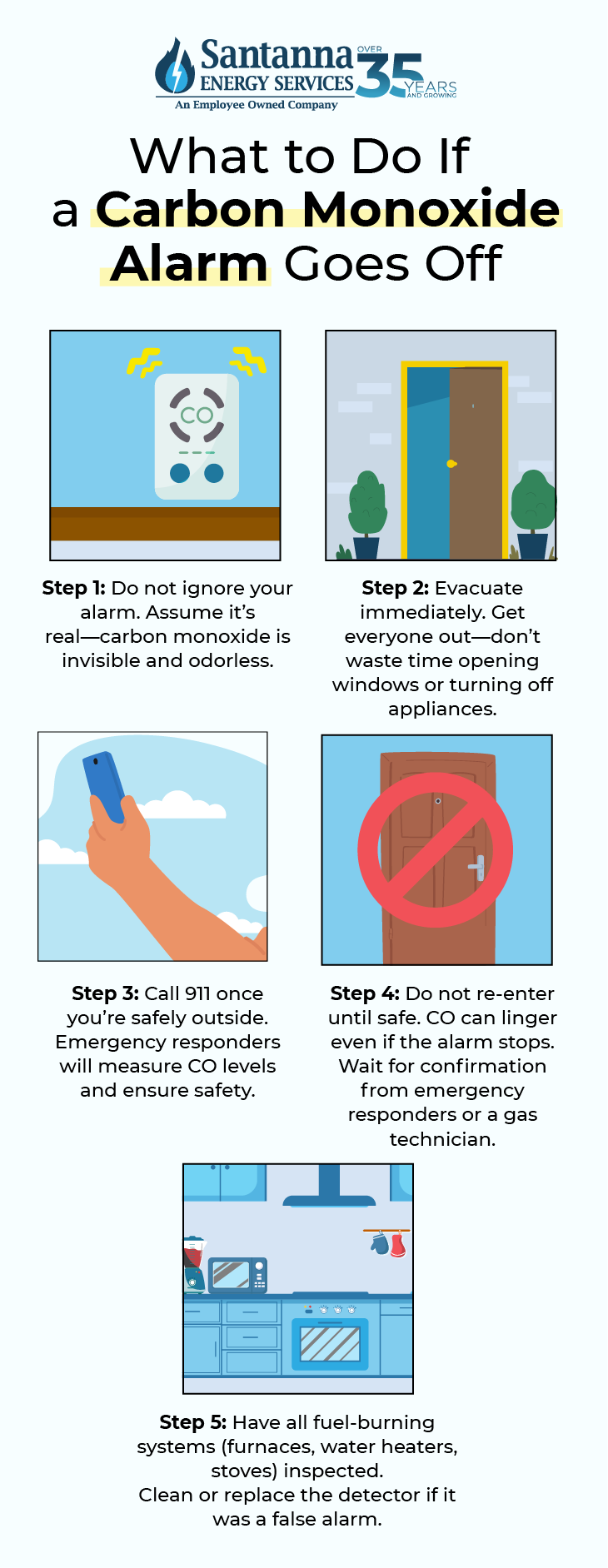
Remember, always treat a sounding CO alarm with respect. Evacuate, ventilate, and call for professional help if you can't identify a harmless source. Your safety is paramount.
But once the all-clear is given, take a moment to appreciate your alarm. It might have given you a fright, but it also gave you a story, a laugh, or a prompt to clean that oven. It’s a little guardian, perhaps a bit overzealous, but always looking out for you.
A Little Vigilance, A Lot of Peace
Understanding these quirky triggers can transform your perspective on CO alarms. Instead of dreading their sound, you can approach them with a blend of caution and curiosity. It's an opportunity to learn more about your home and its appliances.
Regularly check your appliances – your furnace, water heater, stove, and dryer – to ensure they are properly vented and maintained. Keep your oven clean, and be mindful of where you place outdoor combustion sources. Simple steps can make a big difference.
So, the next time that distinct BEEP-BEEP-BEEP fills the air, take a deep breath. Address the situation safely, but also remember that sometimes, your vigilant little alarm is simply telling you a surprisingly human story about life happening in your home.
It’s a tale of burnt dinners, diligent cleaning, and perhaps even a bit of neighborly intrigue. And in that, there’s a heartwarming comfort: knowing you have a dedicated protector, even if its warnings occasionally come with a side of unexpected humor.