
How Do You Know If Your Leach Field Is Failing

Ah, the leach field. It’s one of those unsung heroes of homeownership, diligently working behind the scenes, taking care of… well, all the stuff you flush away. You don’t think about it much, do you? It’s kind of like that quiet roommate who always cleans the dishes without being asked. Until one day, they suddenly stop, and things get a little… backed up.
Let’s be honest, talking about septic systems isn’t exactly dinner party conversation. But knowing when your leach field is waving a tiny white flag can save you a whole lot of headache (and nose-ache!) down the road. So, grab a comfy seat, maybe a cup of coffee, and let's decode the subtle (and not-so-subtle) SOS signals from your backyard's hardest worker.
The Olfactory Offensive: When Your Yard Smells Suspect
This one is usually the first sign that something’s amiss, and it’s hard to ignore. We’re talking about a smell that's distinctly… sewage-y. It’s not the earthy scent of a good rain, nor the sweet fragrance of your neighbor’s blooming petunias. No, this is the kind of aroma that makes you scrunch your nose and immediately start looking for the source.
Must Read
Imagine walking out into your yard for a peaceful afternoon, only to be greeted by a scent that says, "Hey, I'm here, and I'm not happy!" It’s like your backyard decided to host a surprise party for all the things you thought were gone forever. If your garden suddenly smells less like a rose garden and more like a porta-potty, your leach field might be trying to tell you, "Houston, we have a problem!"
Mystery Puddles: Your Lawn's Unwanted Water Feature
Have you noticed wet, soggy spots in your yard, especially over the leach field area, even when it hasn’t rained? These aren't just innocent puddles; they’re often a flashing neon sign. It's like your lawn is trying to become a water park, but a rather murky, unappealing one.
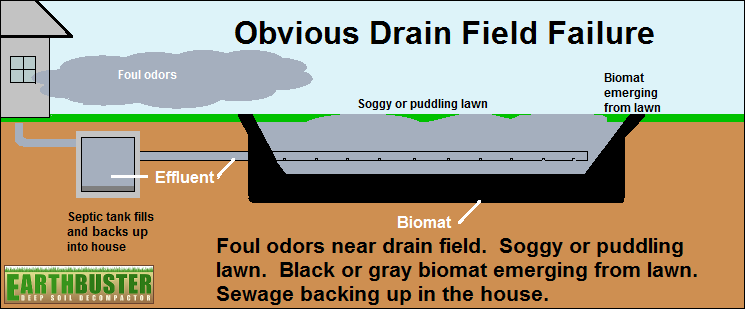
These standing water zones might feel squishy underfoot, turning your morning stroll into an impromptu mud bath. If your sneakers are sinking into unexplained muck, it means the leach field can't absorb the wastewater anymore, and it's being forced to the surface. It’s your yard saying, "I'm overflowing, captain! I can't take anymore!"
The Lush Life: Grass That's Too Green
Now, this one can be a bit of a trickster. We all want a lush, green lawn, right? But if you have patches of grass that are suddenly glowing an almost unnatural, vibrant green, thriving even when the rest of your lawn is looking a little parched, it might be a cause for concern. It's the "grass is always greener" adage coming back to haunt you.
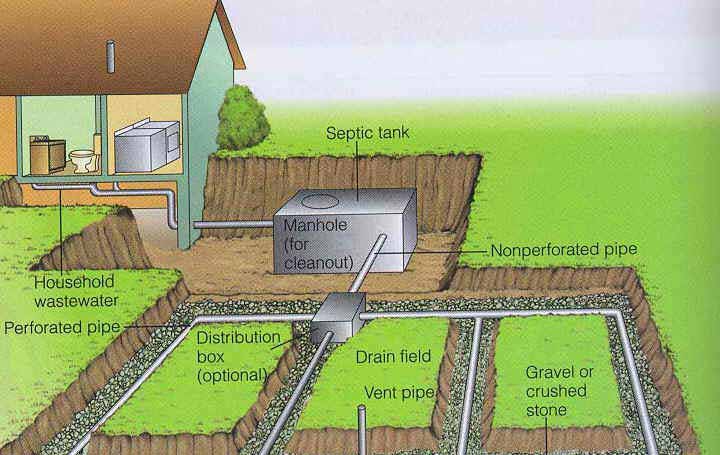
This super-charged growth happens because the failing leach field is essentially fertilizing those areas with nutrient-rich wastewater. So, while it might look like you've discovered the secret to a perfect lawn, it's actually your leach field screaming, "I'm giving up the ghost and feeding your lawn instead!" It’s like a plant on steroids, but for all the wrong reasons.
The Plumbing Purge: Slow Drains and Backups
The signs aren't always in your yard. Sometimes, your home itself starts to complain. Are your toilets flushing slowly, like they’re trying to remember what they’re supposed to do? Is your shower water taking its sweet time to drain, turning your quick rinse into a foot bath?
These are often internal indicators that the system is getting overwhelmed. When the leach field can't accept any more water, the entire septic system backs up, causing plumbing issues inside your house. It’s your pipes throwing a temper tantrum, saying, "We've got nowhere to go!" If your washing machine is making gurgling noises like it’s digesting a small animal, pay attention!

Uninvited Guests: Pests Taking Up Residence
Nobody likes uninvited guests, especially if they have too many legs or like to scurry. A failing leach field can create a damp, nutrient-rich environment that's a five-star resort for all sorts of critters. Rodents, insects like mosquitoes, and other pests absolutely love soggy, stagnant areas.
If you notice an increase in these unwanted neighbors making themselves at home in your yard, it could be yet another subtle clue. They’re basically telling you, "Thanks for the swampy playground and the buffet!"

What To Do When You Spot a Sign
If any of these scenarios sound familiar, don't panic, but don't ignore it either! A failing leach field won't magically fix itself. In fact, ignoring it can lead to much bigger, smellier, and more expensive problems down the line. It's like trying to ignore a leaky faucet until your kitchen turns into an indoor swimming pool.
Your best bet is to call a qualified septic professional. They can assess the situation, diagnose the problem, and recommend the best course of action. Early detection can often lead to less invasive and more affordable solutions. Think of them as the detectives for your underground plumbing mysteries.
So, next time you're enjoying your backyard, take a moment to observe. Listen, look, and yes, maybe even sniff the air a little. Your leach field might be trying to send you a message. And understanding those messages keeps your home happy, healthy, and smelling much more like roses (the real kind, not the ones fertilized by… well, you know).