How To Know When Septic Tank Needs To Be Pumped
Ever paused to think about what happens after you flush? For those of us living off the city sewer grid, there's a fascinating, hidden world working tirelessly beneath our feet: the septic system. And while it might not sound like the most glamorous topic, understanding a little about your septic tank is incredibly empowering. It's like learning the secret language of your home's most vital unsung hero, and trust me, knowing when it needs a little TLC can save you a fortune (and a whole lot of headache!).
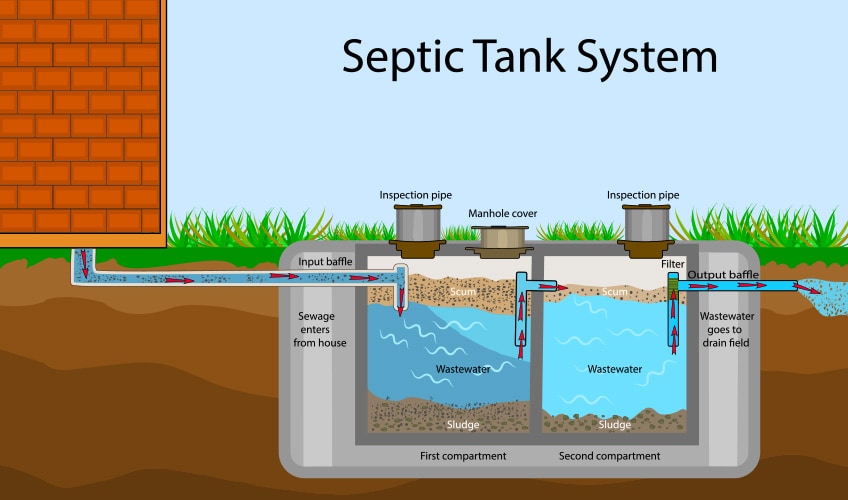
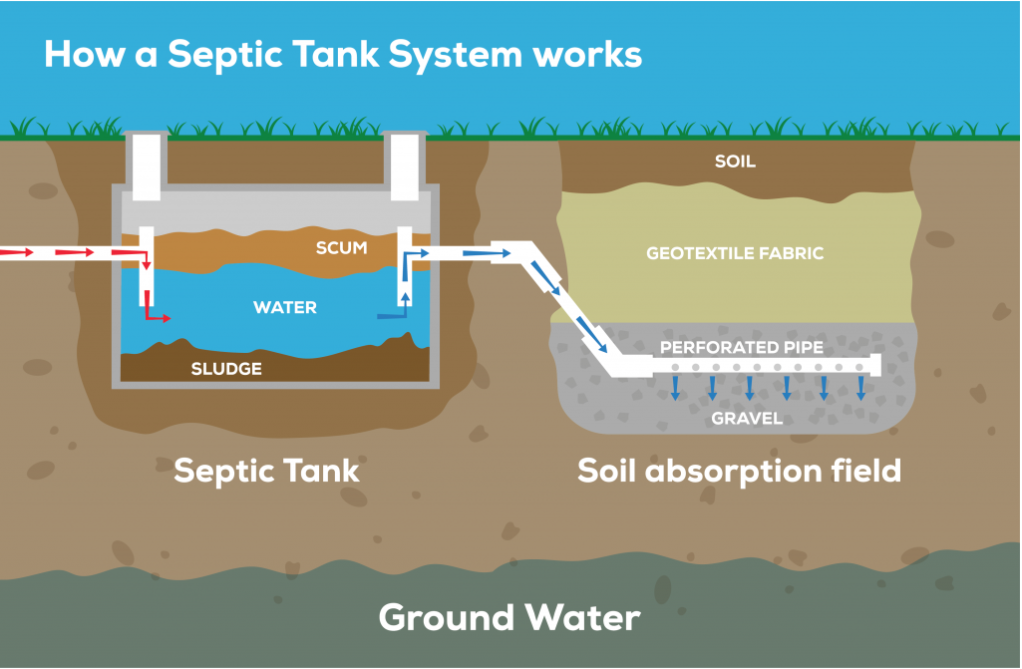
So, what exactly is this mysterious underground chamber all about? Your septic tank is essentially a mini, on-site wastewater treatment plant. All the water from your sinks, showers, toilets, and laundry flows into it. Here, solids settle to the bottom (forming sludge), lighter materials like grease and oil float to the top (creating scum), and the liquid wastewater (effluent) flows out to a drain field for final natural purification. The purpose of pumping is simple: to remove that accumulated sludge and scum before it builds up too much and starts causing problems.
The benefits of timely pumping are massive. First and foremost, it prevents backups – imagine sewage overflowing in your home, and you'll quickly understand the motivation! Secondly, it extends the life of your entire septic system, especially the drain field, which is often the most expensive component to replace. Proactive maintenance means avoiding costly emergency repairs, unpleasant odors, and the general stress of a failing system. It’s about keeping your home healthy and happy, and your wallet fatter.
Must Read
In daily life, this knowledge isn't just for plumbers; it’s a crucial skill for any homeowner with a septic system. It’s part of responsible home management, much like changing your furnace filter or cleaning your gutters. For the curious minds, you could even frame it as a practical application of basic biology and environmental science – understanding how natural processes break down waste. It teaches us about closed-loop systems and sustainable living right in our own backyards.

Now for the fun part: how do you know when it's time to act? Your septic system often sends out subtle (and not-so-subtle) signals. The most common warning signs include:
- Slow Drains or Gurgling Toilets: If water is draining sluggishly in multiple fixtures, or your toilet gurgles after flushing, it could indicate a full tank struggling to handle the inflow.
- Foul Odors: A persistent smell of sewage, either indoors (especially near drains) or outdoors near your tank or drain field, is a strong indicator.
- Soggy Spots in Your Yard: Unusually lush, green, or squishy areas over your drain field or septic tank could mean effluent is rising to the surface, which is a big red flag.
- Sewage Backup: This is the ultimate warning sign – if sewage starts backing up into your sinks, tubs, or toilets, you’re well past due for a pumping and possibly facing a bigger issue.
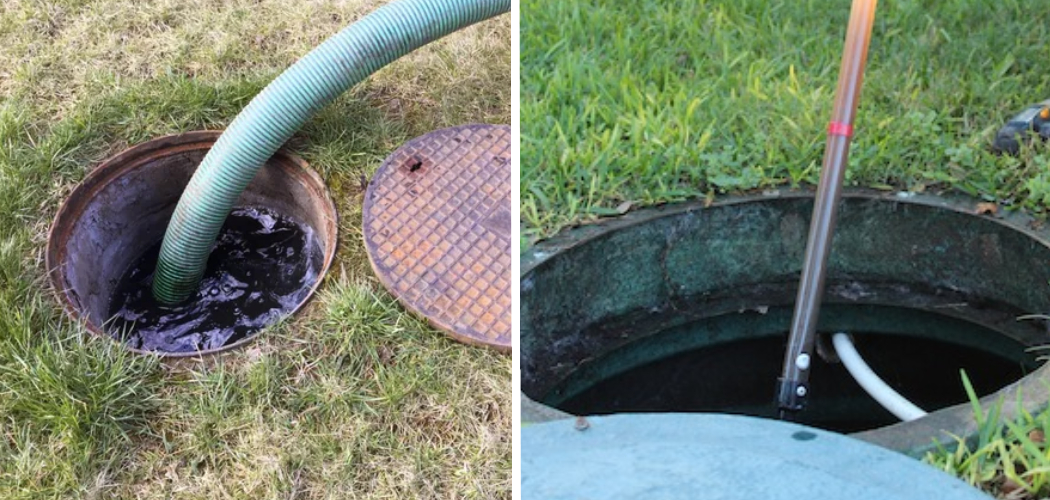
A great practical tip is to keep a record of when your tank was last pumped. Most experts recommend pumping every 3-5 years, but this can vary based on your tank size, household occupancy, and water usage. If you're really curious and don't mind getting a little dirty, you can even carefully remove the inspection port cover (with caution and a strong stomach!) and measure the scum and sludge layers, though many prefer to leave this to the professionals. Ultimately, don't hesitate to call a qualified septic professional if you notice any of these signs or are simply unsure. They can provide an inspection and give you peace of mind, ensuring your home's hidden hero continues its vital work without a hitch.