
Why Does My Carbon Monoxide Alarm Keep Going Off
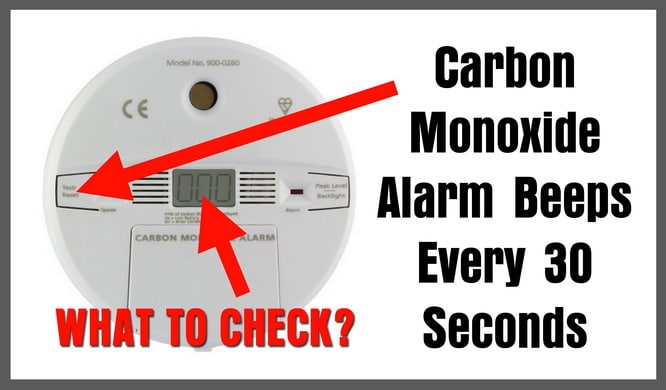
You know that sudden, piercing sound. Your carbon monoxide alarm starts yelling at you. It’s loud, it’s annoying, and it often comes out of nowhere.
That little device can be quite the drama queen, right? But before you get too annoyed, let's remember it's trying to tell you something super important. It’s like a tiny, vigilant bodyguard for your home.
Think of your CO alarm as a silent sentinel. It’s always on duty, sniffing the air for an invisible, odorless danger. This makes it incredibly special – a true home hero.
Must Read
What is this invisible danger, you ask? It's carbon monoxide, or CO for short. It's often called the "silent killer" because you can't see it, smell it, or taste it.
CO is a gas that comes from burning fuels. Things like your furnace, gas stove, fireplace, or even a car engine. When these don't burn properly, CO can build up.
And that's where your alarm steps in, often with a dramatic flair! It detects this dangerous gas before you even know it's there. This makes learning why it goes off quite the interesting detective story.
Why Your Alarm Might Be Yelling (and It's Not Always What You Think!)
Reason 1: It's Just Getting Old
Did you know your CO alarm has an expiration date? It's true! Most alarms last about 5 to 7 years. After that, their sensors just aren't as sharp.
When an alarm reaches its golden years, it might start chirping or beeping to let you know it's time for retirement. This is often called an "end-of-life" warning. It’s not detecting CO; it’s just saying, "My shift is over!"
Checking the back of your alarm usually reveals a manufacturing date. If it’s past its prime, a simple replacement could solve the mystery of the annoying beeps. Think of it as a well-deserved rest for your old alarm.

Reason 2: Low Battery Blues
Just like your TV remote, your CO alarm needs power. Many run on batteries, which can get low over time. A dying battery often triggers a specific, quick chirp.
This chirp is usually less intense than a full alarm siren. It’s a polite, yet insistent, plea for a fresh battery. This is probably the most common "false alarm" people experience.
So, if you hear that persistent little peep, swap out those batteries! It’s an easy fix and keeps your home protector ready for duty. Always keep spare batteries handy for this very reason.
Reason 3: Sensitive Soul (Humidity, Smoke, or Other Gases)
Sometimes, your CO alarm is just being a little too sensitive. High humidity from a steamy shower can sometimes confuse it. It might react to the moisture in the air.
Even strong cleaning fumes or certain aerosols can sometimes trigger a momentary alarm. Your detector is a highly sensitive instrument, and it's trying its best to keep you safe.
Smoke from burnt toast, or even a fireplace that's "burped" a bit of smoke, can sometimes set off combined smoke/CO alarms. This is your alarm being extra cautious, which is a good thing!
Reason 4: Testing, Testing, 1, 2, 3...
Did someone in your home accidentally (or intentionally) press the test button? Most alarms have a button to check if they're working. Pressing it causes a loud, temporary alarm.
It’s a good idea to test your alarms monthly. This makes sure they’re ready to respond when needed. But sometimes, a curious child or an accidental bump can set it off.
So, if the alarm suddenly blares and then stops, check if anyone was "helping" with the alarm. It's a quick way to rule out a real emergency.
When It's NOT a False Alarm: The Real Deal
Okay, so we've talked about the "false alarms." But what if it's the real thing? This is why your CO alarm is so incredibly special and, frankly, why its dramatic antics are worth paying attention to.
When your alarm shrieks its loud, continuous warning, it truly means business. This is its way of saying:
"Hey! There might be carbon monoxide here! Get out and get fresh air!"
This isn't a low battery chirp or an old-age warning. This is a full-blown emergency alert. It's giving you a crucial head start against an invisible foe.
What Could Be Causing Real CO?
Many things in your home burn fuel. If they're not working right, they can produce carbon monoxide.

Your furnace, for example, might have a cracked heat exchanger. This can leak CO into your home instead of safely venting it outside. It's a serious problem that needs immediate attention.
A gas stove or oven that isn't properly maintained can also be a culprit. If you see yellow or orange flames where they should be blue, that's a warning sign. It means fuel isn't burning completely.
Even a fireplace or wood stove can be a source. If the chimney is blocked, smoke and CO can back up into your living space. Always ensure good ventilation when using these.
Sometimes, the source isn't even in your house! A car left running in an attached garage can quickly fill your home with dangerous CO. Never warm up your car in a closed garage.
Neighbors using a generator too close to your windows or vents can also cause a problem. CO can travel! It reminds us to be aware of our surroundings, even outside our own walls.
So, What Do You Do When It Yells?
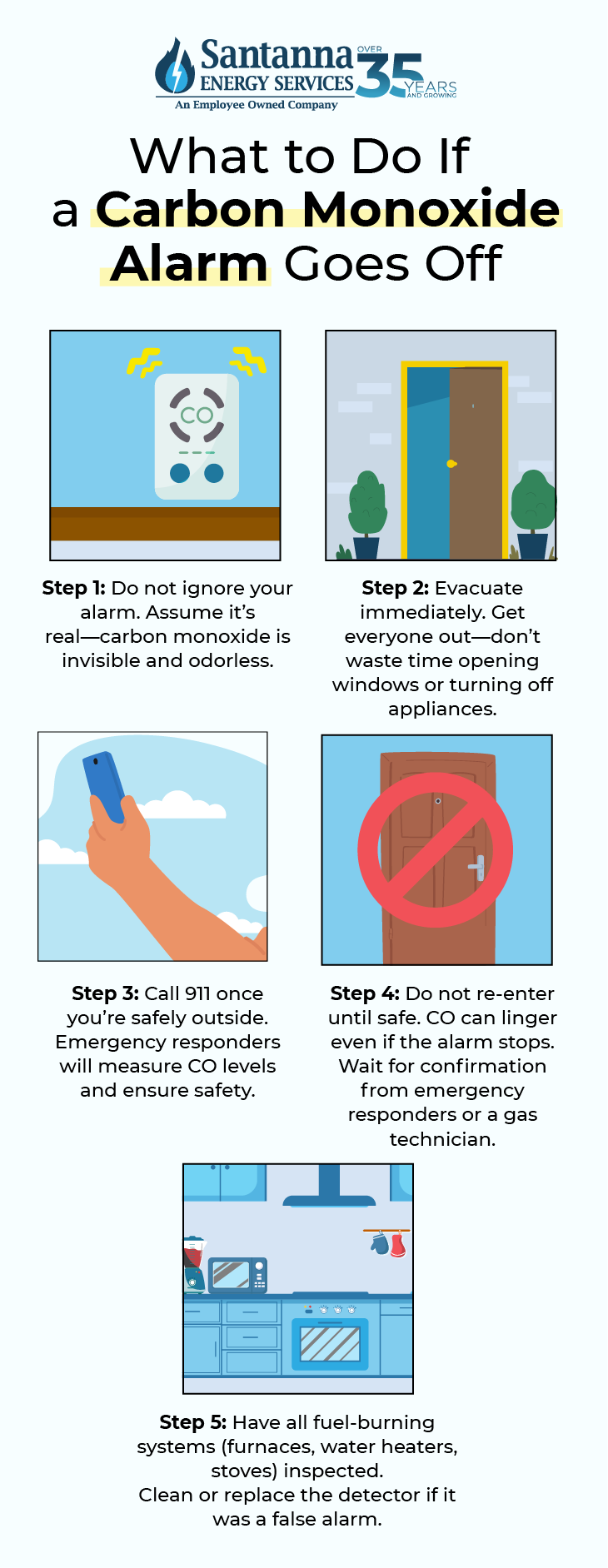
This is the most important part! If your carbon monoxide alarm goes off with its full, emergency siren, don't ignore it. Don't assume it's a false alarm without checking.
The first step is always to get everyone, including pets, out of the house immediately. Go outside to fresh air. This is your number one priority for safety.

Once you're safely outside, call your local fire department or emergency services. They have special equipment to detect CO levels and can tell you if it's safe to re-enter.
Do not go back inside until professionals say it's safe. They will investigate the cause and help you address any issues. Your alarm has done its job – now let the experts do theirs.
Your Heroic Alarm: A True Home Essential
Your carbon monoxide alarm might be loud, and sometimes it might seem like a bit of a diva. But it's doing one of the most important jobs in your home. It’s detecting an invisible killer.
Understanding why it goes off makes it less mysterious and more empowering. You learn to listen to its different "voices" – the chirps, the beeps, the full-blown scream.
This makes your alarm truly special. It gives you peace of mind, knowing there’s a vigilant guardian protecting your family. It's a simple device with a huge responsibility.
So, next time it pipes up, don't just get annoyed. Get curious! Check its age, check its batteries. And if it's truly screaming, heed its urgent warning.
This little device is more than just a box on the wall. It’s a life-saver. Make sure yours is always ready for action.